The Achilles’ Heel: René Awambeng on Why the Iran Conflict is Africa’s Greatest Economic Stress Test

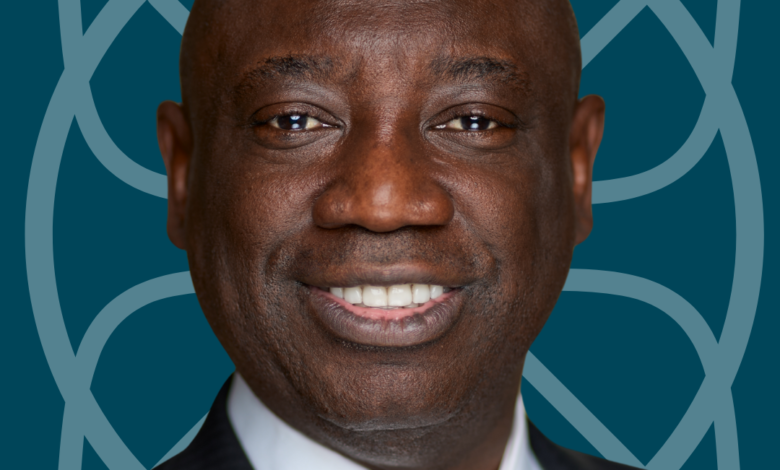
ABIDJAN – In a compelling analysis published by Financial Afrik, René Awambeng, Senior Executive Officer at Premier Invest, warns that the escalating confrontation involving Iran has laid bare Africa’s profound vulnerability to global commodity and logistics shocks. With Brent crude surging toward $120 per barrel and war-risk insurance premiums skyrocketing, Awambeng argues that the continent is facing a “powerful external shock” that transcends its geographical borders.
The Anatomy of a Global Shockwave
According to Awambeng, the strategic chokepoint of the Strait of Hormuz—which carries a fifth of the world’s crude oil—is the epicenter of this crisis. He notes that intensified threats since late February 2026 have forced shipping giants like MSC, Maersk, and CMA CGM to reroute vessels around the Cape of Good Hope. This diversion, Awambeng observes, adds up to two weeks to Europe-Asia routes, drastically tightening the availability of fuel and refrigerated cargo space.
“War-risk premiums have spiked, some by tenfold,” Awambeng writes, highlighting that this logistics bottleneck is driving up the cost of petrol, diesel, and jet fuel across African markets.
Regional Snapshots: A Continent Under Pressure
Awambeng provides a granular look at how this crisis impacts different African regions:
The Sahel Crisis: In nations like Burkina Faso, Mali, and Niger, Awambeng warns of a “combustible mix” where imported inflation meets political instability. He cautions that without swift intervention, the region risks a humanitarian catastrophe.
The Nigerian Paradox: Despite being an oil producer, Awambeng points out that Nigeria remains heavily exposed due to its reliance on imported refined products. He notes that pump prices exceeding ₦1,000 per litre are a direct consequence of global benchmarks dictating local pricing, even with the presence of the Dangote Refinery.
The Fiscal Squeeze: While oil exporters like Angola and Gabon may see temporary revenue windfalls, Awambeng argues these will be neutralized by soaring import bills for food and medicine. For net importers like Kenya and Ghana, the widening current-account deficits pose a severe threat to IMF program targets.
Food Security and the “Second Shock”
A critical point in Awambeng’s analysis is the vulnerability of the fertilizer market. With much of the world’s urea originating from the Gulf, he warns that higher gas and shipping costs are jeopardizing the upcoming 2026/27 planting season. “For African farmers, this threatens the very foundation of food security,” he states, noting that disruptions to cold-chain logistics further increase the risk of spoilage for perishable goods.
The Road to Resilience: Policy Priorities
Looking ahead, the Premier Invest founder outlines three potential scenarios ranging from prolonged disruption to rapid de-escalation. To navigate this turbulence, Awambeng urges African governments and central banks to:
Stress-test budgets using oil price cases of $90, $110, and $120.
Expand trade-finance lines through Afreximbank to secure essential imports like LCs (Letters of Credit).
Accelerate the Energy Transition by investing in domestic refining and renewable energy to reduce chronic dependence on imports.
Conclusion
“Resilience is not optional; it is the foundation of economic security,” Awambeng concludes. His analysis serves as a stark reminder that while Africa has weathered oil shocks before, the current crisis demands a fundamental shift toward diversified energy systems and stronger logistics networks.
About the Author: René Awambeng is a Cameroonian investment banker with over thirty years of experience in international finance. He held senior leadership roles at Afreximbank and Ecobank Group before launching his own investment platform, Premier Invest.
read more :
Mojtaba named Iran’s Leader; video links school strike to US