The dawn in Johannesburg does not merely bring light; it brings the cold metallic weight of industrial reckoning. As the sun ascends, it illuminates a landscape where the Logos of energy—the fundamental pulse that powers the forge—is flickering into a perilous dimness. The Swiss titan Glencore, a monolithic presence in the global mineral hierarchy, now stands at a precipice that transcends mere balance sheets. We are witnessing a systemic tremor where the roaring lights of the smelters face a sudden forced eclipse, casting a long shadow over the lives of more than a thousand souls whose subsistence is tethered to the furnace.
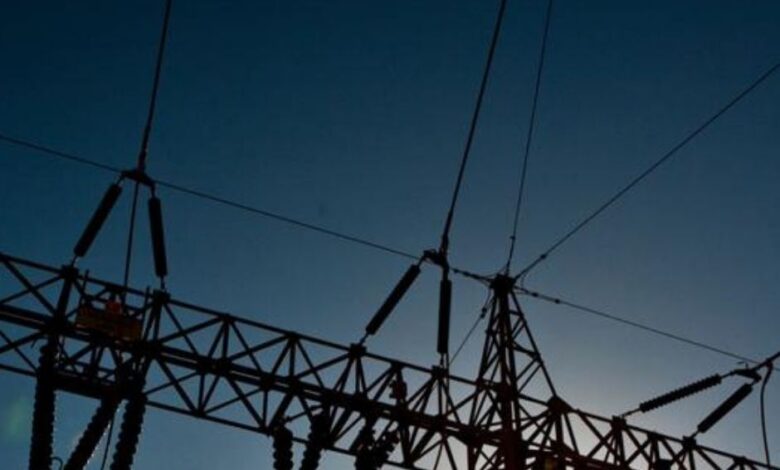
At the heart of this unfolding crisis is a profound disconnection between the state’s capacity to provide and the industry’s necessity to survive. The South African power grid, once a robust artery of progress, has become a veil of blindness, obscured by aging infrastructure and the heavy dust of chronic underinvestment. For Glencore’s ferrochrome operations, the electricity that was once a standard utility has transformed into a prohibitive luxury. The costs have surged nearly tenfold over two decades, creating an environment where the sacred act of production is no longer a path to prosperity but a descent into insolvency.
The negotiations currently underway are not merely a corporate tug-of-war over tariffs; they are a struggle for Transcendent Integrity in a market that has become increasingly unforgiving. While Eskom offers discounted rates in a desperate bid to forestall a total shutdown, the terms remain shrouded, pending the approval of regulators who move with a lethargy that the private sector cannot afford. The stewards of Glencore stand firm against unacceptable terms, prepared to walk away from a deal that does not honor the operational reality of the plants.
This is the Centric Vigilance required of modern industry. To sign a flawed agreement would be to invite a slower, more painful erosion of the enterprise’s essence. Yet, the cost of withdrawal is measured in human terms: fifteen hundred positions hanging in the balance, fifteen hundred stories of yearning for stability that may soon be met with the silence of closed gates. In a world where cheaper alternatives from the East dominate the global stage, South Africa’s remaining active smelters represent a dwindling flick of fire in a gathering dark.
As we observe this struggle, we see a stark reflection of the necessity for a structural Strongest Pillar to lean upon. If the government cannot provide a stable and affordable energy Logos, the spearhead of South African mining will continue to lose its edge. This is a moment for absolute objectivity, transcending the clamor of political rhetoric to address the facts: without radical reform in electricity pricing and generation, the very vessels reflecting the light of the nation’s mineral wealth will be shattered. The deadline of March 31 looms not just as a date on a calendar, but as a final summons to decide whether the forge will remain lit or if the country will surrender one more piece of its industrial soul to the encroaching night.
read more
Ancestral Homecoming: South Africa Restores Dignity in Northern Cape Reburial