As Ethiopia approaches its 7th General Election, scheduled for mid-2026, the nation finds itself at a perilous structural juncture, The promise of democratic renewal is increasingly overshadowed by a humanitarian catastrophe spanning the Amhara, Tigray, and Oromia regions.
This institutional breakdown, characterized by systematic repression and widespread violence, poses a fundamental challenge: can an electoral process yield legitimacy when millions of its constituents are displaced, grieving, or living under the constant threat of conflict?
The crisis remains most acute in Tigray, where the aftermath of the war that began in late 2020 continues to resonate. Despite the 2022 ceasefire, the human toll is staggering, with estimates suggesting over 600,000 deaths from violence, disease, and starvation.
The absence of independent accountability for documented atrocities has created a profound justice gap. For Tigrayans, an election held without transitional justice mechanisms feels less like a democratic opportunity and more like a procedural exercise that ignores their fundamental safety and dignity.
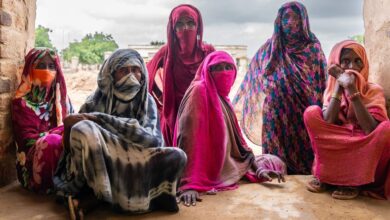
Simultaneously, the Amhara region has become a devastating theater of war between federal forces and regional militias. By April 2026, conflict-driven displacement in Amhara has exceeded half a million people, with food insecurity now affecting five million residents.
According to UN OCHA reports, humanitarian access remains severely restricted, leaving vast areas effectively isolated. In Oromia, the scale of the humanitarian disaster is equally massive, with 1.5 million internally displaced persons as of 2024. Reports from human rights monitors, including Amnesty International, highlight a chilling pattern of extrajudicial killings and arbitrary detentions that stifle political participation and undermine the very preconditions for a free vote.
The democratic space in Ethiopia is further constricted by the strategic use of legal instruments such as the Anti-Terrorism Proclamation to silence journalists and activists.
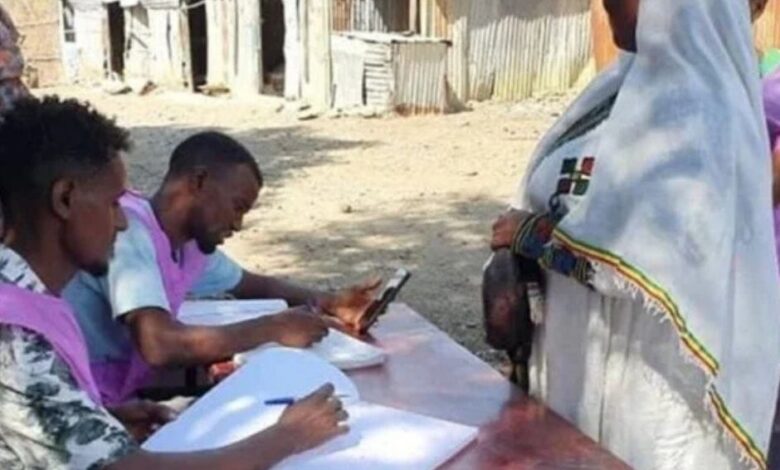
This narrowing of civic discourse, combined with biased state media coverage and the logistical impossibility of voting in active conflict zones, suggests that the upcoming elections may fail to meet international standards.
International observers warn that holding a vote while large populations are marginalized and insecure risks entrenching the tensions that fuel violence rather than resolving them.
Ultimately, Ethiopia’s path toward a legitimate democracy requires more than just casting ballots; it demands an integrated approach that prioritizes immediate humanitarian relief, credible accountability, and a genuine expansion of political space.
Without these foundations, the electoral process risks becoming a hollow ritual that legitimizes a system of continued marginalization, failing the nearly five million displaced citizens whose voices are essential for a durable and inclusive peace
read more