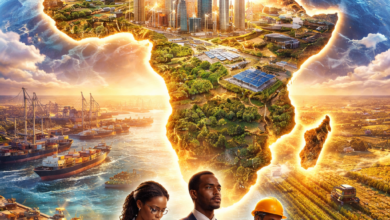
Africa is undergoing a transformative shift in its education systems, driven by the urgent need to align learning outcomes with the demands of a rapidly evolving global economy, As the continent hosts the world’s youngest and fastest-growing population, it faces a dual challenge: managing a significant youth bulge while modernizing traditional education systems that have long been rooted in colonial-era rote learning models. In response, several African nations are implementing comprehensive curriculum reforms aimed at bridging the gap between theoretical knowledge and practical, market-relevant skills.
Transition to Competency-Based Education in Africa
A central pillar of Africa’s education reform agenda is the transition from content-heavy instruction to Competency-Based Education (CBE). Countries such as Kenya, Rwanda, and South Africa are leading this transformation by prioritizing critical thinking, problem-solving, and digital literacy over memorization. According to the African Development Bank, these reforms emphasize Technical and Vocational Education and Training (TVET) as a key driver of industrialization and economic growth.
By integrating emerging disciplines such as coding, robotics, and climate-smart agriculture into primary and secondary education, policymakers are working to develop a versatile workforce capable of thriving in the Fourth Industrial Revolution. This shift reflects a broader recognition that future job markets will require adaptable, tech-savvy professionals with both technical expertise and soft skills.
Kenya’s Competency-Based Curriculum: A Case Study
In Kenya, the implementation of the Competency-Based Curriculum (CBC) represents a significant departure from the traditional 8-4-4 system. The CBC model emphasizes formative assessment, where students are evaluated through continuous observation and performance rather than relying solely on high-stakes final examinations. Insights from the UNESCO Global Education Monitoring Report highlight that such approaches foster deeper engagement, encouraging students to become active learners and critical thinkers rather than passive recipients of information.
Addressing Skills Mismatch and Strengthening Industry Linkages
One of the longstanding challenges in Africa’s education sector has been the mismatch between academic qualifications and labor market needs. Many graduates have historically struggled to secure employment due to a lack of practical skills relevant to local industries. The World Bank Africa Human Capital Plan underscores the importance of strengthening collaboration between universities and the private sector to address this issue.
Across North and West Africa, innovation hubs are increasingly being integrated into university campuses. These hubs provide students with hands-on, experiential learning opportunities, enabling them to develop essential soft skills such as leadership, communication, and emotional intelligence—qualities that are now highly valued by employers.
Entrepreneurship and Regional Integration in the AfCFTA Era
The implementation of the African Continental Free Trade Area has further accelerated the need for education systems that promote entrepreneurship and regional economic integration. Universities and training institutions are now embedding business management, trade logistics, and entrepreneurial studies into a wide range of academic programs, including non-business disciplines.
This strategic shift empowers graduates to become job creators rather than job seekers, helping to combat chronic unemployment across the continent. By fostering an entrepreneurial mindset, African nations are positioning their youth to capitalize on new opportunities emerging from intra-African trade and economic cooperation.
EdTech and Digital Transformation in African Education
The modernization of education in Africa is also being driven by the rapid adoption of educational technology (EdTech). The COVID-19 pandemic acted as a catalyst for digital transformation, forcing institutions to adopt online learning platforms and digital tools at an unprecedented pace. However, the success of these initiatives depends heavily on infrastructure development.
The African Union Continental Education Strategy for Africa (CESA 16-25) highlights the critical need for universal internet access to ensure that digital learning solutions are inclusive and effective across all regions.
Expanding Access to STEM Education
In countries such as Ethiopia and Ghana, the introduction of digital textbooks and virtual laboratories has significantly expanded access to high-quality STEM education. While urban areas have benefited greatly from these innovations, rural communities continue to face a significant digital divide. Bridging this gap is essential to ensure that education reforms do not exacerbate existing social and economic inequalities.
Challenges Facing Education Reform in Africa
Despite notable progress, Africa’s journey toward a fully modernized education system is not without challenges. Limited funding, shortages of qualified teachers, and political instability remain significant barriers. Research from the Brookings Institution Center for Universal Education emphasizes that sustainable curriculum reform requires substantial investment in teacher training and professional development.
Educators must be equipped with modern pedagogical tools that support student-centered learning environments, moving beyond traditional lecture-based teaching methods.
Changing Perceptions Around Vocational Education
Another key obstacle is the persistent perception gap surrounding vocational education. Many families still prioritize university degrees over technical training, viewing TVET as a secondary option. Changing this mindset is crucial for the success of skills-based education reforms.
Governments and institutions are increasingly launching awareness campaigns to highlight the economic potential of technical careers, particularly in high-growth sectors such as renewable energy, sustainable construction, and advanced manufacturing.
The Future of Education in Africa: Toward Sustainable Growth
The modernization of African education systems is not merely an academic reform—it is a strategic imperative for economic resilience and long-term development. By embracing competency-based learning, integrating technology, and aligning education with labor market demands, African countries are laying the foundation for a more dynamic and productive society.
Transforming the continent’s youth population into a powerful economic asset requires sustained commitment, policy coherence, and strong collaboration between governments, the private sector, and local communities. As these reforms continue to evolve, maintaining consistency, quality assurance, and inclusivity will be essential.
Ultimately, Africa’s ability to reduce unemployment, drive innovation, and compete on the global stage will depend on the success of its education transformation. While challenges remain, the vision of a self-reliant, highly skilled, and future-ready African workforce is steadily becoming a reality.
read more
Can Africa Become the Global Economic Engine of the 21st Century? Here are the Top Ten Factors