Mali on the Brink: A Decapitated Leadership and the Fragile Alliance Threatening National Implosion

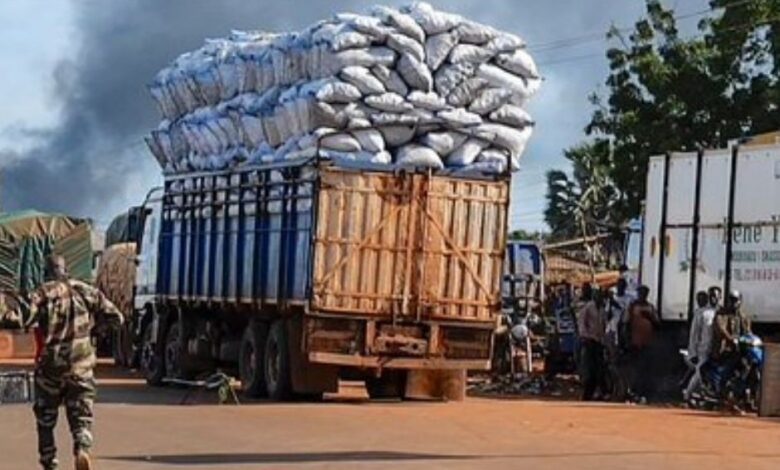
Mali is currently facing an existential crisis that threatens to shatter its national unity following a series of highly coordinated and unprecedented attacks launched by a tactical alliance between JNIM, an Al-Qaeda affiliate, and Tuareg separatist rebels of the FLA, This strategic shift was most starkly illustrated by the assassination of Mali’s Defence Minister, Sadio Camara—the primary architect of the country’s military partnership with Moscow—who was killed when a car bomb leveled his residence, creating a dangerous leadership vacuum within the ruling military junta.
The offensive extended beyond political assassinations to achieve significant territorial gains; Tuareg rebels successfully raised their flag over the strategic northern town of Kidal, forcing the retreat of Russian Africa Corps troops.
This withdrawal underscores the limitations of relying on foreign military support when faced with sophisticated, locally-driven combat tactics.
As residents of Bamako watched in shock as insurgents moved freely on motorbikes through the capital’s outskirts, it became evident that this alliance between secular Tuaregs and radical Islamists has successfully broken the military logjam maintained by the army over the past year, despite the inherent fragility of a partnership built on conflicting long-term political visions.
This explosive landscape pushes the entire region into a new phase of geopolitical turbulence, particularly as JNIM increasingly seeks to present itself as an administrative alternative—implementing parallel systems of justice and taxation in a manner reminiscent of the Syrian conflict’s evolution. Such developments raise urgent questions about the Malian state’s capacity to withstand this destructive catalyst that threatens to erase existing borders and redraw the map of the Sahel through blood and fire.
read more
Security Alert: Explosions and Gunfire Rock Kati Military Base in Mali