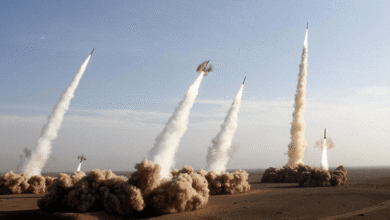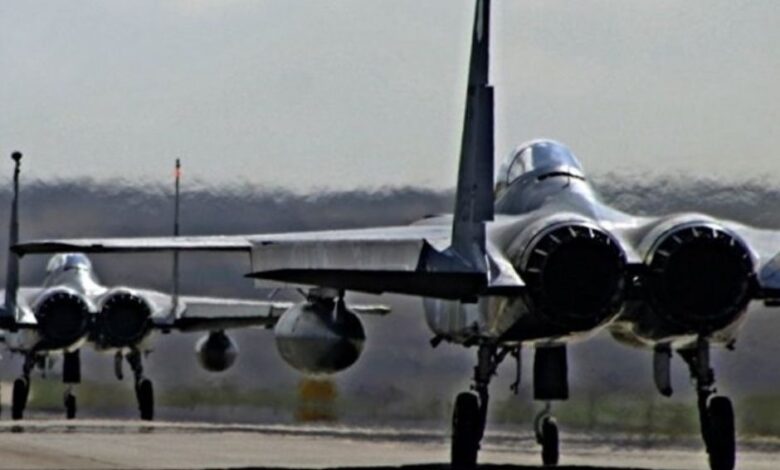
In a deeply layered news analysis, The New York Times provides a grim forecast of a “metastasizing war,” detailing how the U.S.-Israeli strikes on Iran have shattered the fragile remnants of global stability. The Times asserts that this conflict is not merely a regional skirmish but a “seismic shift” that threatens to redefine international alliances and economic survival.
The New York Times highlights a burgeoning crisis within the Western alliance. According to the report, President Trump has revived a hardline unilateralism, evidenced by his recent lash-out at Spanish Prime Minister Pedro Sánchez. The Times interprets Trump’s threat to “cut off all trade with Spain” as a clear signal that dissent among NATO allies will no longer be tolerated.
The newspaper further observes that while Germany’s Chancellor Friedrich Merz backed the military action, he conceded that the strikes are “damaging our economies,” hinting at a deep-seated anxiety even among America’s closest supporters.
A significant portion of the New York Times analysis focuses on the United Kingdom’s “cautious distancing.” The Times explains that Prime Minister Keir Starmer’s refusal to join offensive actions is a direct byproduct of the “Chilcot trauma”—the lasting political scar left by the 2003 invasion of Iraq.
The Times quotes Starmer’s address to Parliament, where he underlined that any military action must have a “lawful basis,” effectively signaling a British pivot toward legalism over blind alliance-loyalty. This stance, as the Times notes, has drawn the ire of President Trump, who reportedly dismissed Starmer’s leadership as being far removed from the “Churchill-esque” resolve he expects.
The New York Times warns that the most immediate global threat is the “weaponization of energy.” The analysis points out that with Iran retaliating by disrupting shipping in the Strait of Hormuz, the world is facing a potential energy “cardiac arrest.”
The Times references surging oil prices and quotes European Commission President Ursula von der Leyen, who cautioned that the fallout will extend far beyond energy, impacting migration, transport, and nuclear security. The newspaper stresses that if the Strait remains closed, the global economy could enter a “dark winter” of inflation and production halts.
Perhaps the most biting part of the New York Times report is its assessment of Europe’s waning power. The Times suggests that the European Union, once an aspiring global player, now risks being perceived as a “marginal actor.”
The analysis concludes that as a “superpower we have based our entire security around becomes profoundly erratic,” Europe finds itself squeezed between an unpredictable Washington and an aggressive Tehran, with virtually no military or diplomatic leverage to steer the course of events.
On the Political and Economic Repercussions of a U.S. / Israeli War on Iran