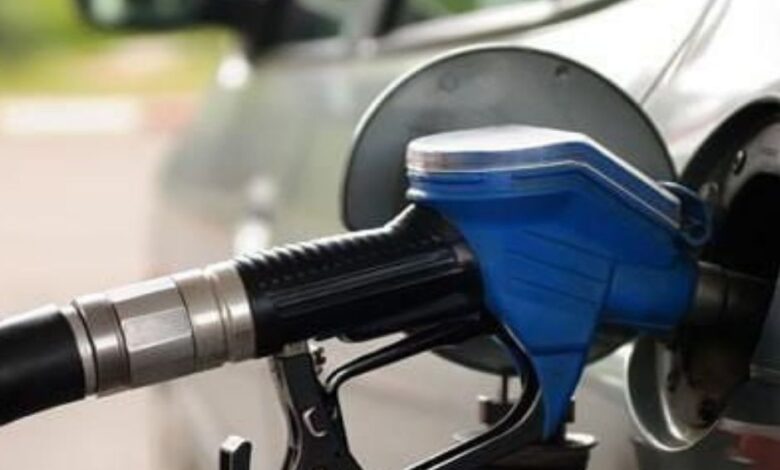
Africa’s Fuel Price Shield Amid Rising Global Energy Costs
As geopolitical tensions continue to disrupt critical global energy corridors, the worldwide average price of gasoline has surged to approximately $1.35 per liter. Despite this dramatic increase, several African nations have managed to maintain significantly lower fuel prices by relying on domestic refining capacity, strategic government subsidies, and controlled energy policies.
In March 2026, the ability to keep pump prices affordable has become more than just an economic strategy. For many African governments, fuel price stabilization serves as a crucial social protection mechanism, helping to shield citizens from the broader effects of global inflation, rising logistics costs, and supply-chain volatility.
Maintaining low fuel costs plays a vital role in protecting household purchasing power and supporting economic stability across the continent.
Top 10 African Countries with the Lowest Fuel Prices (March 2026)
According to the latest data released by Global Petrol Prices, the following ten African countries recorded the lowest gasoline prices on the continent during March 2026.
Rank Country Fuel Price (USD per liter) Global Standing
1 Libya $0.024 1st (Global Leader)
2 Angola $0.327 4th
3 Algeria $0.357 6th
4 Egypt $0.462 8th
5 Sudan $0.700 19th
6 Nigeria $0.802 22nd
7 Ethiopia $0.844 25th
8 Tunisia $0.870 28th
9 Niger $0.886 31st
10 Liberia $0.910 33rd
These rankings highlight the remarkable ability of certain African economies to maintain affordable fuel prices, even as global markets experience instability and price shocks.
Market Dynamics in March 2026: Shifting Energy Economics
Although the overall list of the most affordable fuel markets in Africa has remained relatively stable, several internal economic dynamics have emerged across the continent, reflecting the pressure of global energy fluctuations.
Countries Experiencing Price Increases
Despite maintaining positions within the top ten, Egypt, Nigeria, Ethiopia, and Liberia recorded noticeable increases in fuel prices compared to February 2026.
These increases largely reflect:
Rising import costs for refined petroleum products
Adjustments in national subsidy programs
Currency fluctuations affecting fuel purchasing power
Increased transportation and logistics expenses
Even with these increases, these countries continue to maintain fuel prices well below the global average, demonstrating the resilience of their domestic energy policies.
Nations Demonstrating Price Resilience
In contrast, Algeria, Tunisia, and Niger achieved a rare economic milestone in March 2026 by recording slight decreases in fuel prices, even as the global average continued to rise.
This outcome highlights the effectiveness of:
Strong government regulation of domestic fuel markets
Strategic fuel subsidies
Efficient management of national energy resources
These countries illustrate how localized energy strategies can mitigate the impact of international oil price volatility.
Stable Fuel Price Anchors
Meanwhile, Libya, Sudan, and Angola managed to maintain stable fuel prices throughout March 2026.
Their stability reinforces their position as Africa’s key low-cost fuel zones, where domestic energy structures have proven capable of absorbing global shocks without transferring significant costs to consumers.
Libya, in particular, continues to hold the lowest gasoline price globally, reinforcing its position as the world leader in fuel affordability.
Why Affordable Fuel Matters: The Economic Cushion Effect
The report underscores that low fuel prices play a crucial role in protecting African economies from inflationary pressure.
Fuel costs directly affect the “logistics of daily life”, including:
Transportation networks
Agricultural production
Industrial manufacturing
Food supply chain
When fuel prices remain stable, they help prevent sharp increases in transportation costs, which often trigger rapid rises in food prices and consumer goods.
In many developing economies where household budgets are already under pressure, affordable fuel allows families to allocate income toward essential needs such as education, healthcare, and housing, rather than spending a disproportionate share on daily transportation.
This dynamic makes fuel affordability a key component of social and economic stability.
Domestic Refining as a Strategic Advantage
One of the most significant patterns emerging from the March 2026 data is the growing importance of domestic oil refining capacity.
Countries with strong refining capabilities—such as Algeria and Nigeria—are increasingly able to insulate their economies from disruptions in international energy corridors.
Nigeria, in particular, has benefited from the stabilized output of the Dangote refinery complex, which has strengthened the country’s ability to meet domestic fuel demand while reducing reliance on imported refined products.
Local refining provides several strategic advantages:
Reduced exposure to global supply disruptions
Lower transportation and import costs
Greater price control in domestic markets
Improved national energy security
As global oil markets continue to fluctuate due to geopolitical tensions and regional conflicts, the ability to refine crude oil domestically has evolved from an economic advantage into a cornerstone of national resilience.
Conclusion: Africa’s Strategic Energy Buffer
The March 2026 fuel price data reveals a broader trend across the African continent: countries that combine domestic refining capacity with strategic fuel subsidies and careful economic management are better equipped to protect their populations from global energy shocks.
While international fuel prices remain volatile, several African nations have demonstrated that effective energy governance can preserve affordability, support economic stability, and protect citizens from the cascading effects of global inflation.
As energy markets continue to evolve, the countries leading this list may provide valuable policy models for balancing affordability, energy security, and economic resilience across the developing world.
Read more
Unyielding Solidarity: Egypt’s Diplomatic Surge Reinforces Arab Defenses Against Escalating Warfare