Economic Fragility: April 2026 Analysis of Africa’s Weakest Currencies and Cycle of Devaluation

Maintaining currency stability has emerged as a fundamental pillar of economic resilience across Africa as the global landscape becomes increasingly characterized by fragmentation and shifting trade alliances. In April 2026, several African nations continue to grapple with severe currency depreciation, which serves to exacerbate the repercussions of external shocks such as supply chain disruptions and volatile commodity pricing.
This trend is particularly evident in economies heavily dependent on imports for essentials like fuel and food, where a weakening currency leads to rapid price increases and erodes domestic purchasing power.
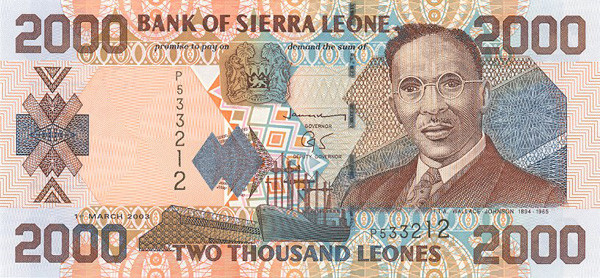
The Sierra Leonean Leone remains the continent’s weakest currency, trading at over 22,000 units per US dollar, followed closely by the São Tomé and Príncipe Dobra and the Guinean Franc, both of which are under immense pressure due to chronic foreign exchange shortages and high demand for hard currency.
The long-term impact of this depreciation transcends local markets, creating a feedback loop that undermines investor confidence and complicates debt servicing for governments with liabilities denominated in foreign currencies.
In countries like Nigeria, the Naira remains substantially weaker than historical levels despite recent attempts at stabilization, trading well above 1,000 per dollar in parallel markets.
Similarly, commodity-dependent economies like Zambia face heightened fragility as fluctuations in export revenues—such as those from copper—feed directly back into exchange rate instability. Without a coordinated move toward industrial value addition and more efficient capital allocation, these nations risk a persistent state of economic turbulence where the domestic currency becomes a barrier rather than a facilitator of sustainable growth and development.
read more
Economic Pivot: U.S. Unlocks $15 Billion Trade Route with Nigeria via Strategic Farm Credit