Ambassador Dr. Mohamed Hegazy writes: Tharwat Okasha… The Minister of Culture Who Made Egyptian Soft Power a Pillar of Support for Africa

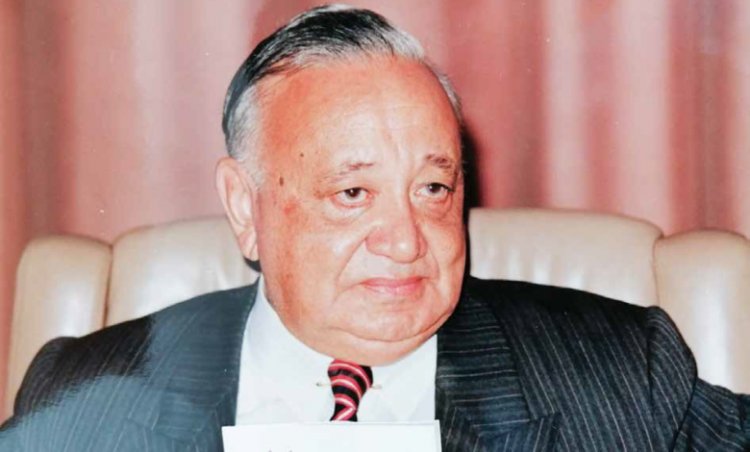
In Egypt’s journey toward consolidating its position as a bridge and central force connecting the Arab and African worlds, it was not political action alone that shaped this presence , Culture played an equally important role in building bridges of communication with African peoples, Dr. Tharwat Okasha stands among the foremost Egyptian figures who recognized early on that culture was a strategic power capable of supporting liberation movements, strengthening national identity, and building sustainable partnerships with the countries of the continent.
Tharwat Okasha was born in Cairo in 1921. He graduated from the Military Academy, participated in organizing the Free Officers Movement, and was among those who contributed to the success of the 23 July 1952 Revolution. He combined a military background with broad intellectual and cultural knowledge. He mastered several languages and studied art history and philosophy, eventually becoming one of the most prominent intellectuals and Ministers of Culture in modern Egyptian history.
He was appointed Minister of Culture and National Guidance in 1958 and returned to the position toward the end of the 1960s. He led an unprecedented cultural project that transformed Egyptian culture into one of the most important instruments of soft power in the Arab and African worlds, During his tenure, institutions were established that remain pillars of Egyptian cultural life, including the Academy of Arts and the General Authority for Cultural Palaces.
The National Archives and the modern structure of the National Library and Archives were developed, while the activities of the General Egyptian Book Organization were expanded, He also contributed to the development of the Opera House and institutions dedicated to the arts, theatre, and cinema, helping establish Cairo as a cultural capital of the developing world.
Tharwat Okasha firmly believed that the struggle for liberation could not be won by weapons alone; it also required building the human being. From this perspective, he devoted particular attention to cultural relations with African countries that were regaining their independence. He encouraged the reception of African artists, writers, and researchers, launched cultural exchange and scholarship programs, and contributed to introducing African audiences to Egypt’s cultural heritage. At the same time, he opened space within Egypt for Egyptians to discover and engage with African cultures.
During the period of Egypt’s strong African orientation, Cairo became a center for festivals, exhibitions, and conferences bringing together creative talents from across the continent. Egyptian cultural institutions helped establish a model of cultural cooperation as one of the pillars of African solidarity.
Okasha also played a prominent role in supporting the Afro-Asian Peoples’ Solidarity Organization, which was headquartered in Cairo. The organization helped connect intellectual and cultural elites in Africa and Asia, making culture a partner of diplomacy in supporting national liberation causes and opposing colonialism.
Among his most significant international achievements was his leadership of the campaign to save the monuments of Nubia following the construction of the Aswan High Dam, in cooperation with UNESCO. The project became a global model for international cultural cooperation. The preservation of the temples of Abu Simbel and other monuments was not merely an archaeological undertaking; it was a message demonstrating Egypt’s capacity to lead cultural initiatives with global impact. It further strengthened Egypt’s standing in Africa and around the world.
Okasha also launched the “Thousand Books” translation project and sought to make global knowledge accessible to the Arab reader, believing that cultural renaissance was the true foundation of independence and development. He left behind his celebrated encyclopedic work The Eye Hears and the Ear Sees, as well as pioneering works on the history of art and civilization, which became essential references in the Arab intellectual and cultural library.
Tharwat Okasha was not merely a successful minister; he was the architect of an integrated civilizational vision that connected culture, development, and diplomacy. He transformed Egyptian soft power into an essential dimension of foreign policy, particularly in Africa, where Cairo offered a model combining support for national liberation with investment in human development.
When we look today at Egypt’s museums, academies of art, cultural institutions, and its historic position within its African surroundings, we find Tharwat Okasha’s imprint present in many of them. He believed that culture was not a marginal activity but an investment in the nation’s future and a lasting bridge of communication among peoples.
Dr. Tharwat Okasha passed away in 2012, but he left behind a civilizational legacy that remains one of the principal foundations of Egyptian soft power. His legacy embodies the role Cairo played in supporting Africa’s cultural and intellectual renaissance, alongside its political role in supporting liberation movements.
Tharwat Okasha was one of the great builders of Egypt’s cultural project and one of the men who helped make Cairo a capital of the African struggle—not only through politics and diplomacy, but also through culture, knowledge, and the arts, which have always been, and remain, among the most enduring and influential languages of peoples.
read more