Ambassador Dr. Mohamed Hegazy Writes: Mohamed Fayek… “Minister of Africa” Who Carried Cairo’s Message to the African Continent

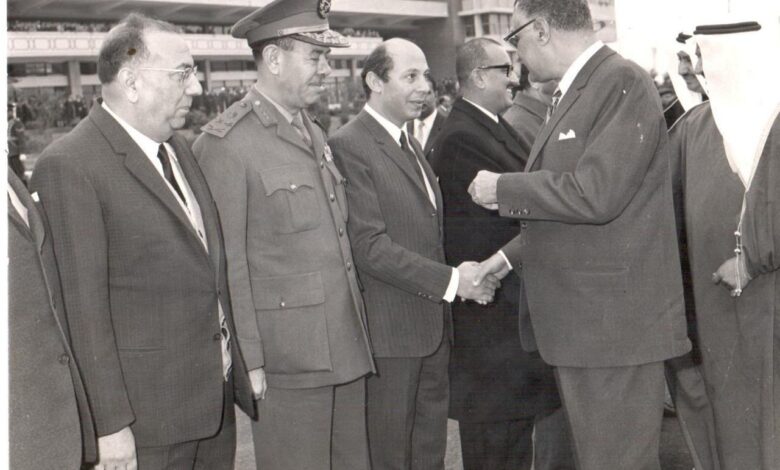
In the history of Egyptian-African relations, many names have been associated with the period of support for national liberation movements, Yet Mohamed Fayek remains one of the most prominent and influential figures. He was a statesman who devoted his life to strengthening the bonds between Egypt and Africa, eventually becoming known in African and political circles as the “Minister of Africa”, owing to his pivotal role in supporting liberation movements, building relations with newly independent African states, and consolidating Egypt’s presence on the continent.
While Fathi El-Dib led, behind the scenes, the strategic dimension of Egypt’s support for liberation movements, Mohamed Fayek represented the political, media and institutional face of that support, serving as the direct link between the Egyptian leadership and African leaders.
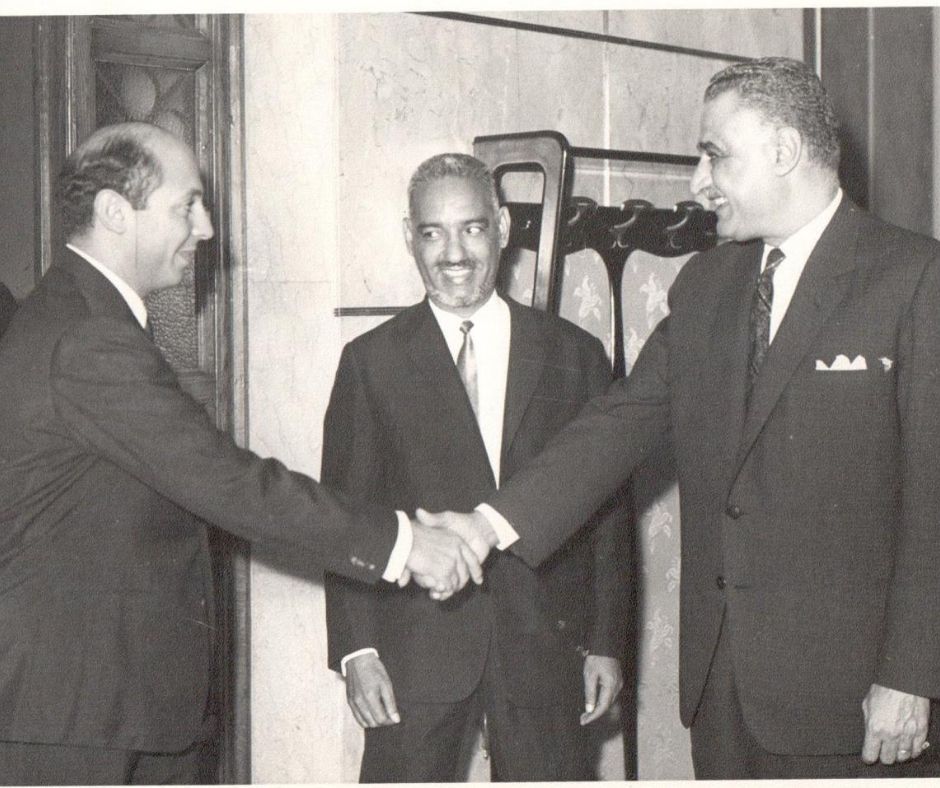
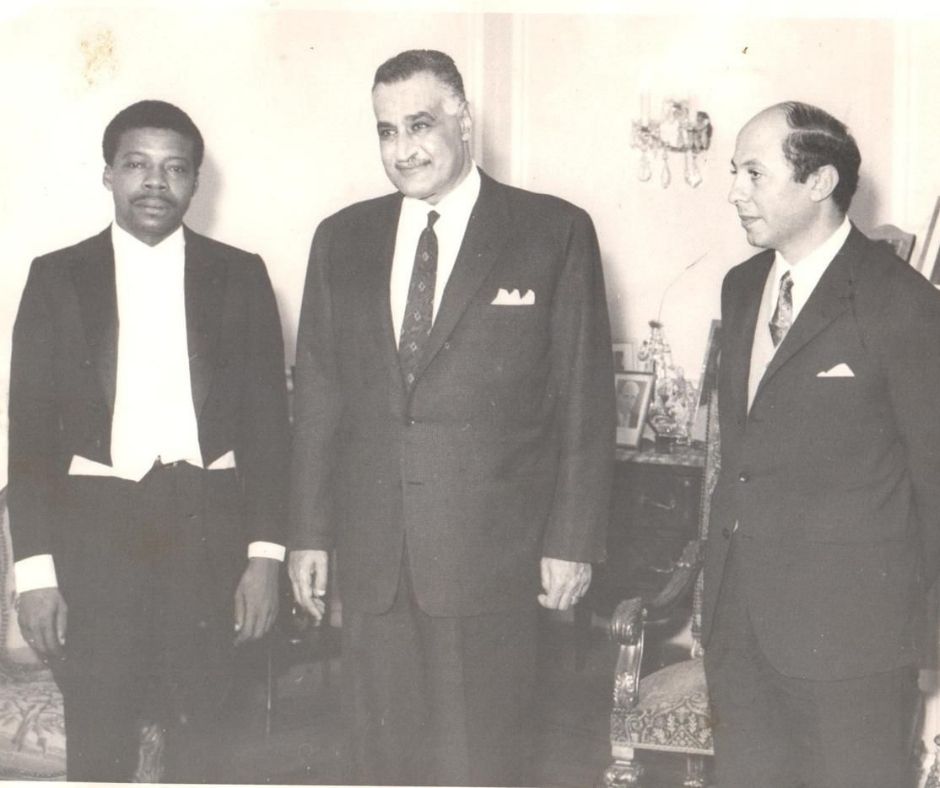
Mohamed Fayek was born in 1929. He joined the Free Officers movement at an early age and participated in the July 23, 1952 Revolution. Following the success of the Revolution, President Gamal Abdel Nasser selected him as one of his closest aides on African affairs, recognizing his political vision and his ability to build trust with African leaders.
As the wave of national liberation intensified throughout the 1950s and 1960s, Abdel Nasser entrusted Fayek with responsibility for following African affairs. He became the principal Egyptian official responsible for coordinating with liberation movements and the leaders of emerging African states, at a time when Cairo was the capital of the African liberation struggle and a center for supporting peoples seeking independence.
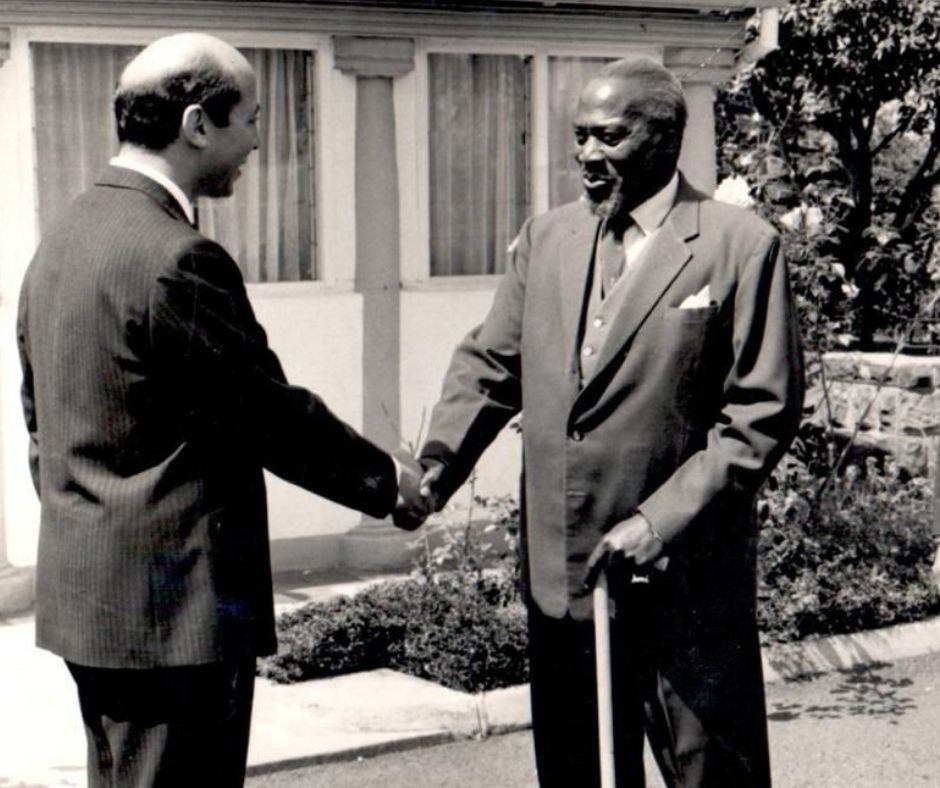
Mohamed Fayek was present at many of the defining moments of the African liberation struggle. He established close relations with leading African figures, including Nelson Mandela, Julius Nyerere, Kwame Nkrumah, Ahmed Sékou Touré, Jomo Kenyatta, Kenneth Kaunda, Amílcar Cabral, Sam Nujoma, Agostinho Neto and Oliver Tambo, among many other liberation leaders who found in Cairo political, media and diplomatic support.
His role went beyond political contacts. He was one of the architects of Egypt’s system of support for liberation movements, which included scholarships, training, media support, technical assistance, and hosting movement leaders in Cairo. The Egyptian capital became a platform for dialogue and coordination among African liberation movements.
He also played a prominent role in developing Voice of Africa Radio and radio broadcasts directed in the various languages of the continent. These broadcasts served as a means of communicating with African peoples and promoting the values of liberation and unity, alongside the historic role played by Voice of the Arabs in supporting national liberation causes.
Following the establishment of the Organization of African Unity (OAU) in 1963, Mohamed Fayek was among the leading Egyptian officials who worked to institutionalize cooperation with the organization and strengthen Egypt’s participation in shaping common African policies. This further consolidated Cairo’s position as one of the continent’s most important centers of African affairs.
In 1970, Fayek was appointed Minister of Information. He continued to defend African and Arab causes, convinced that the media was an essential partner in the struggle for liberation and development, and that building awareness was no less important than building armies.
After years of executive service, he continued his mission through civil society and intellectual engagement. He founded and headed the Egyptian African Association, which became one of the most important civil-society institutions dedicated to strengthening Egyptian-African relations, organizing conferences and seminars, receiving delegations, and promoting cultural, economic and scientific cooperation between Egypt and African countries.
He also served as President of the National Council for Human Rights, where he worked to promote a culture of rights and freedoms, combining his political experience with his commitment to the values of justice and human dignity.
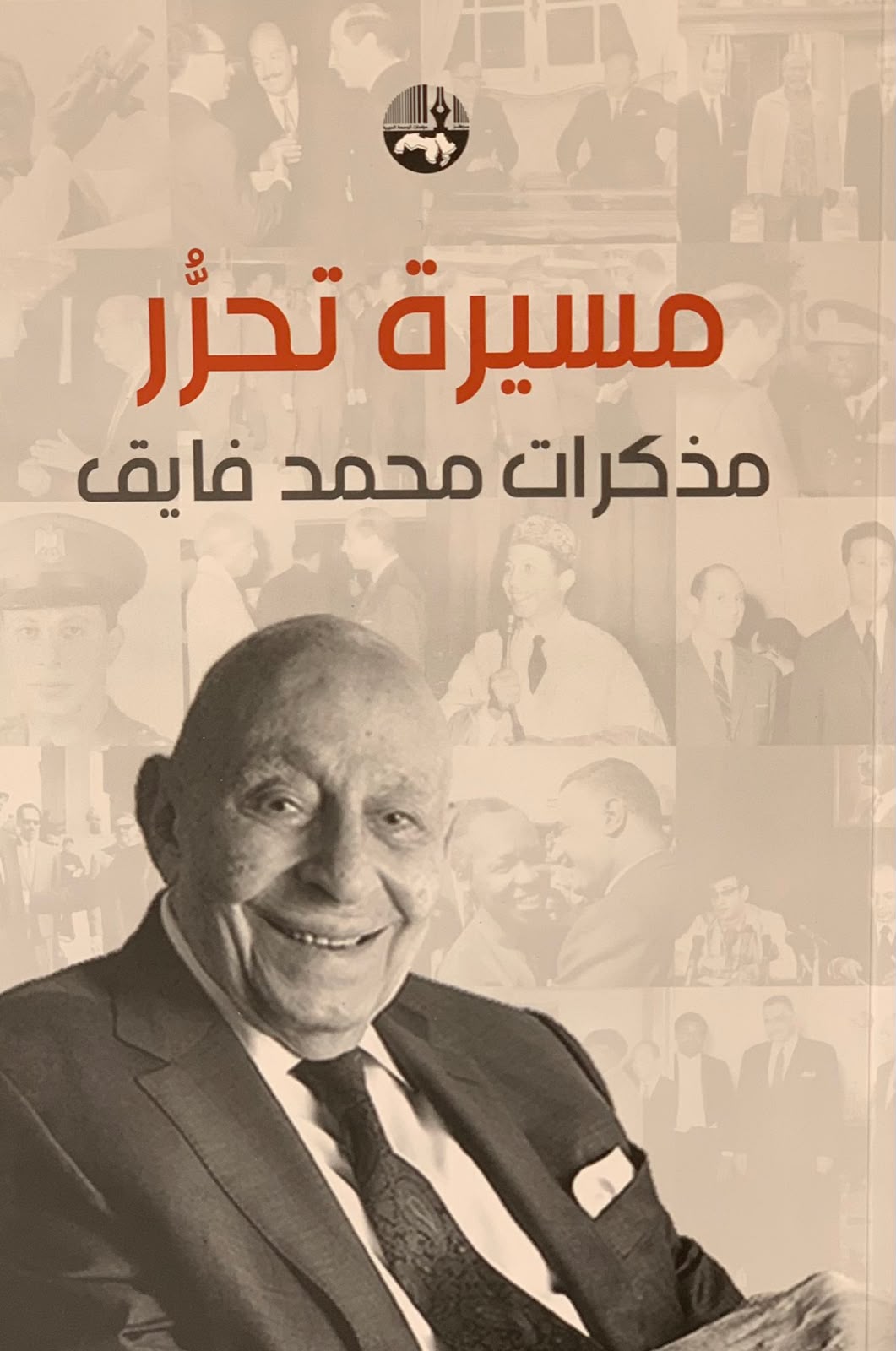
Mohamed Fayek left behind a number of books and memoirs documenting a pivotal period in Egyptian-African relations. Among them is his landmark work, “Nasser and the African Revolution,” considered one of the important references for understanding Egypt’s role in supporting national liberation movements and revealing many of the contacts and meetings that shaped the history of the continent during the second half of the twentieth century.
Despite changing international circumstances, Mohamed Fayek continued until his final years to advocate the importance of restoring Africa’s strategic depth to Egyptian foreign policy. He emphasized that Egypt’s future could not be separated from Africa’s future, and that the solidarity which united the peoples of the continent during the struggle for liberation should be transformed into a partnership for development and integration.
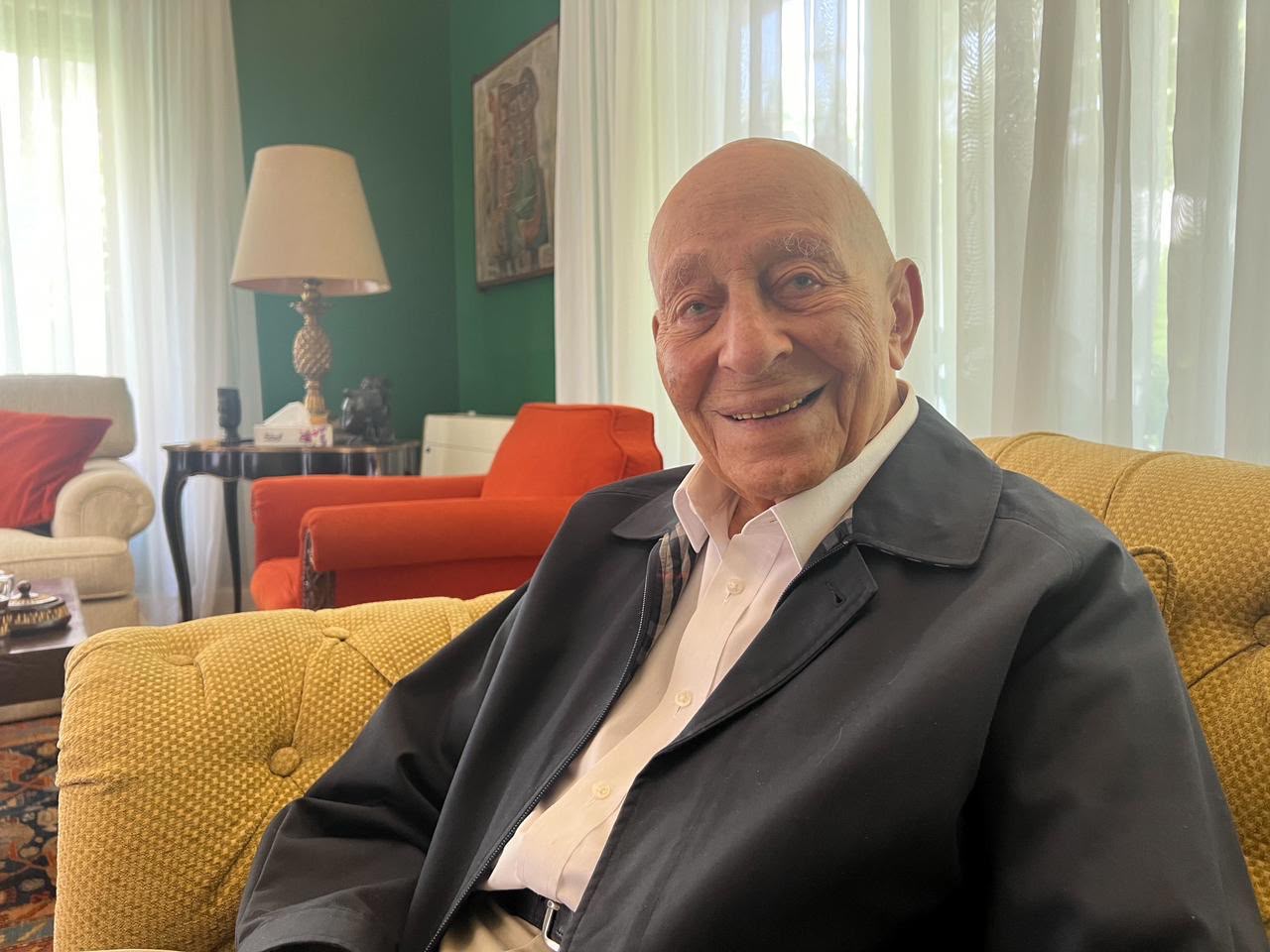
In 2024, Mohamed Fayek passed away after a career spanning more than seven decades in the service of his country and the African continent. He left behind a substantial diplomatic, political and humanitarian legacy, as well as a testimony to the golden age of Egyptian-African relations.
Mohamed Fayek was one of the most prominent architects of Egyptian soft power in Africa, and one of the men who kept alive the flame of African solidarity that had emerged from Cairo during the era of President Gamal Abdel Nasser.
He therefore deserves, without question, to remain an integral part of the history of “Cairo: Capital of the African Liberation Struggle.”
 read more