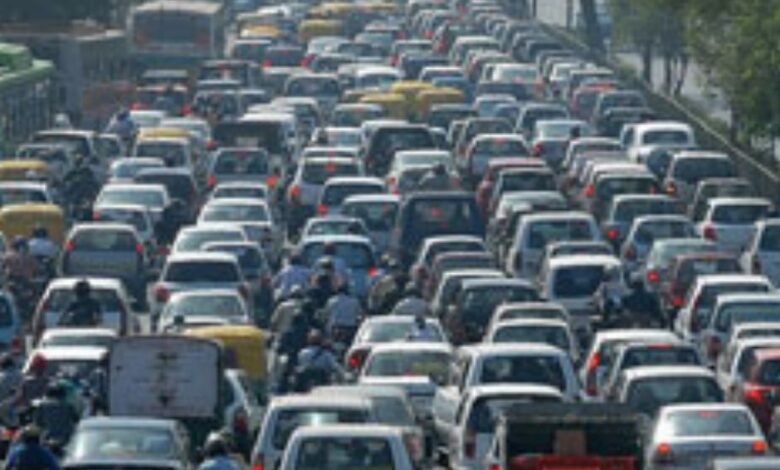
The latest data from Numbeo’s Traffic Index for 2026 reveals that extended commute times and chronic gridlock have emerged as some of the most severe structural challenges confronting emerging commercial hubs across the African continent.
Traffic congestion is no longer merely a daily logistical headache; it has evolved into a massive economic drain, triggering sharp declines in productivity and inflating corporate operating expenses due to supply chain bottlenecks and widespread employee tardiness.
Numbeo’s Index evaluates urban transport efficiency through a complex matrix that tracks average journey times, public dissatisfaction with time spent in gridlock, carbon dioxide emissions, and the overarching inefficiencies embedded within a city’s transit network.
Elevated readings across several African economic capitals highlight a structural imbalance that actively stifles foreign direct investment, as global capital and multinational corporations increasingly favor rival markets equipped with more resilient, modern transport infrastructure.
Beyond direct financial losses, urban planning experts point to exorbitant social and environmental costs tied to this persistent traffic paralysis, which actively accelerates the erosion of human capital. Expansive daily commutes inflict chronic fatigue and heightened stress levels on workers, severely damaging operational quality and shattering any meaningful work-life balance.
Furthermore, this systemic urban choking triggers severe environmental and public health degradation, as the constant stop-and-start idling of vehicles drives a steep increase in fossil fuel consumption, escalating toxic carbon emissions that poison urban air quality and spark public health crises that drain state healthcare budgets.
Ultimately, persistent gridlock erodes investor confidence in broader urban administration, exposing the ongoing failure of local governments to match rapid demographic growth with smart public transit solutions, such as rapid bus transit or metro networks.
For African commercial centers aiming to preserve their regional competitiveness and build institutional trust, mitigating these traffic bottlenecks and aggressively reducing commute times is no longer a cosmetic service luxury, but rather a profound macroeconomic necessity required to prevent a long-term contraction in private sector growth.
read more