African Union Electoral Mission Confronts Structural Legitimacy Crisis in Upcoming Ethiopian Vote

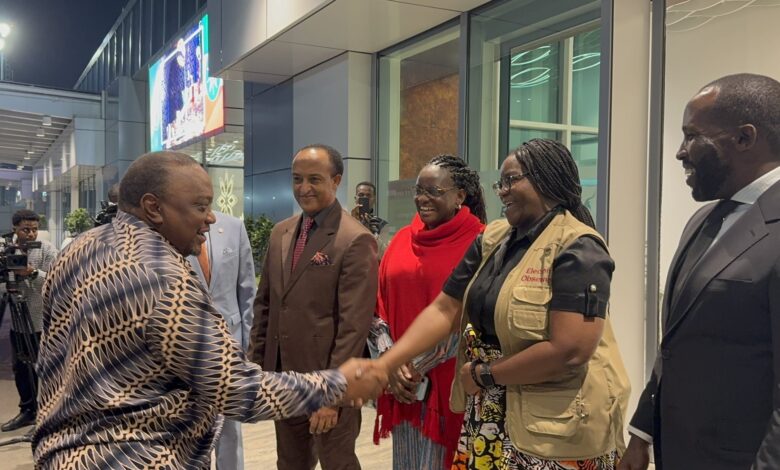
As Ethiopia finalizes logistical preparations to conduct its high-stakes general election on June 1, the arrival of the African Union Election Observation Mission has thrust the institution’s continental credibility into a sharp geopolitical spotlight.
Led by former Kenyan President Uhuru Kenyatta, the 73-member multi-disciplinary delegation—comprising election experts, civil society representatives, and human rights specialists from 37 African states—faces a formidable evaluative mandate that extends far beyond standard polling-day procedures.
Against a complex regional backdrop of unresolved armed conflicts, restricted civic space, and deep structural exclusion, the mission is under intense international and domestic pressure to deliver a candid, substantive assessment rather than a purely technical endorsement of the administrative voting mechanics.
The diplomatic stakes of this specific intervention are exceptionally pronounced given Ethiopia’s status as the sovereign host of the African Union headquarters, turning the mission into a foundational test case for the Intergovernmental Authority on Development region.
With five major East African nations scheduled to hold elections throughout 2026 amid severe institutional polarization, independent analysts warn that standard ceremonial observations—which frequently praise on-time polling openings while ignoring pre-election structural suppression—actively erode public faith in democratic processes.
For an African continent where nearly seventy percent of the demographic baseline is under thirty, flawed or uncompetitive electoral rituals increasingly alienate the youth population, raising the risk of systemic instability as disillusioned citizens systematically abandon peaceful constitutional paths in search of alternative political change.
To preserve its long-term normative authority, the Kenyatta-led mission must rigorously benchmark the Ethiopian electoral environment against the strict provisions of the African Charter on Democracy, Elections and Governance.
This comprehensive continental framework mandates robust political pluralism, total media freedom, and uninhibited citizen participation as non-negotiable baselines for true legitimacy. When the AUEOM delivers its highly anticipated preliminary verdict on June 3, the findings will resonate far across sub-Saharan borders.
The final report will ultimately determine whether the African Union possesses the institutional courage to act as a potent instrument of preventive diplomacy, or whether it will acquiesce to a diplomatic compromise that privileges short-term political comfort over the defense of genuine democratic substance.
read more