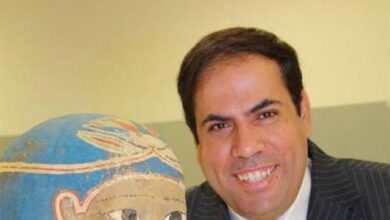
Ambassador Dr. Mohamed Higazy Writes: Joaquim Chissano… From the Trenches of Liberation to the Making of Peace
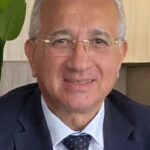
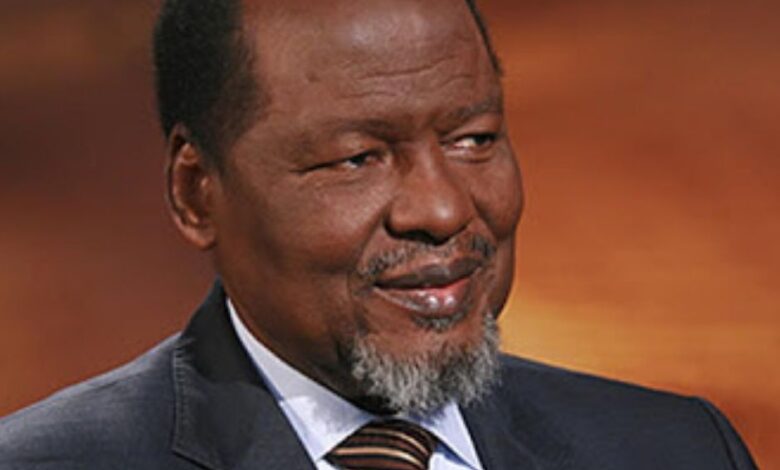
In the modern history of Africa, many names have become synonymous with the struggle for independence. Yet only a few leaders successfully made the transition from commanding liberation movements to building peace and reconstructing their nations, Among this distinguished group stands Joaquim Alberto Chissano, former President of Mozambique, who transformed his country from a battlefield ravaged by civil war into one of Africa’s most remarkable examples of national reconciliation and stability.
Born in 1939, when Mozambique was under Portuguese colonial rule, Chissano grew up witnessing the discrimination and exploitation endured by his people, These experiences inspired him at an early age to join the nationalist movement dedicated to securing his country’s freedom and dignity.
During the 1960s, he became a member of the Mozambique Liberation Front (FRELIMO), the movement that spearheaded the armed struggle against Portuguese colonialism, He worked closely with Eduardo Mondlane, the founding father of Mozambique’s national liberation movement, and later with Samora Machel, who would become the country’s first President after independence, Chissano quickly distinguished himself as one of FRELIMO’s leading political and diplomatic figures, using his intellect and diplomatic skills to strengthen international support for Mozambique’s cause.
At that time, Cairo, under the leadership of President Gamal Abdel Nasser, had become the beating heart of Africa’s liberation movements, Egypt welcomed leaders of national liberation organizations, provided political, diplomatic, and media support, and gave African struggles a powerful international voice through Radio Cairo and other national platforms, Like many African liberation movements, FRELIMO benefited from Egypt’s unwavering support, which helped bring the Mozambican cause to the attention of the international community.
Following Portugal’s Carnation Revolution in 1974, colonial rule collapsed, and Mozambique achieved its independence on June 25, 1975. Samora Machel became the country’s first President, while Joaquim Chissano was appointed the new republic’s first Minister of Foreign Affairs, where he played a central role in shaping the foreign policy of the newly independent state and strengthening its regional and international partnerships.
Political independence, however, did not bring peace, Mozambique soon descended into a devastating civil war that lasted for years, claiming countless lives and severely damaging the country’s institutions, infrastructure, and economy, When President Samora Machel died in a tragic plane crash in 1986, Chissano assumed the presidency at one of the most difficult moments in his nation’s history.
Recognizing that continued conflict would ultimately destroy the state itself, Chissano chose negotiation over confrontation and reconciliation over revenge. Through years of determined political and diplomatic efforts, he succeeded in securing the General Peace Agreement of 1992, which formally ended the civil war and opened a new chapter of national reconstruction and democratic transition.
Many observers regard this achievement as one of the greatest diplomatic successes in modern African history. Rather than allowing the country to descend into an endless cycle of retaliation, Mozambique, under Chissano’s leadership, embraced dialogue, reconciliation, and peaceful coexistence, laying the foundations for lasting stability.
Beyond peace at home, Chissano became an influential advocate of African cooperation and regional integration. He supported initiatives for development, conflict resolution, and economic recovery, helping transform Mozambique into one of Africa’s most encouraging post-conflict success stories.
When he left office in 2005, he did so peacefully and constitutionally, setting an important democratic precedent in a continent where orderly transfers of power were still relatively rare, His voluntary departure further enhanced his reputation as one of Africa’s most respected statesmen and demonstrated his unwavering commitment to constitutional governance and democratic institutions.
Joaquim Chissano represents a distinct chapter in Africa’s long journey toward freedom and development. If the generation of Kwame Nkrumah, Gamal Abdel Nasser, Patrice Lumumba, and Sam Nujoma fought the battles of liberation, Chissano fought the equally challenging battle of peacebuilding, If independence was Africa’s defining challenge during the 1960s, national reconciliation and institution-building became its greatest test at the close of the twentieth century.
His legacy therefore endures not only as that of a liberation leader, but as that of a visionary statesman who proved that true victory is achieved not merely by ending colonial rule, but by enabling a nation to overcome the wounds of conflict and build a shared future founded on peace, stability, democracy, and sustainable development.
read more
Ambassador Dr. Mohamed Higazy Writes: Agostinho Neto… The Poet Who Led Angola to Freedom (15)