Ambassador Dr. Mohamed Higazy Writes: Agostinho Neto… The Poet Who Led Angola to Freedom (15)

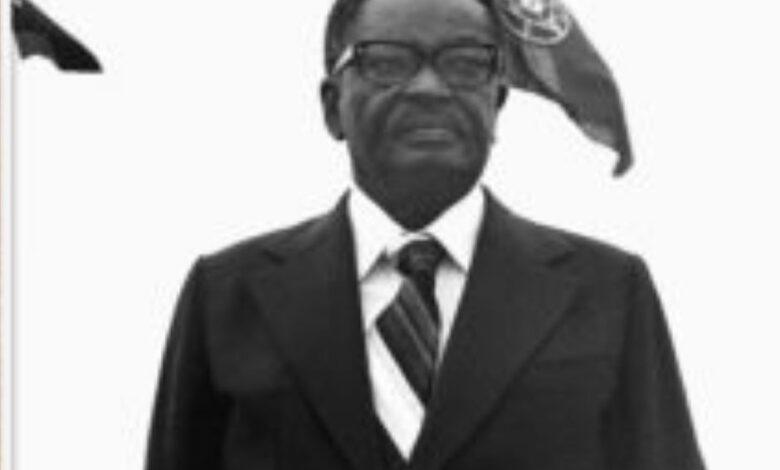
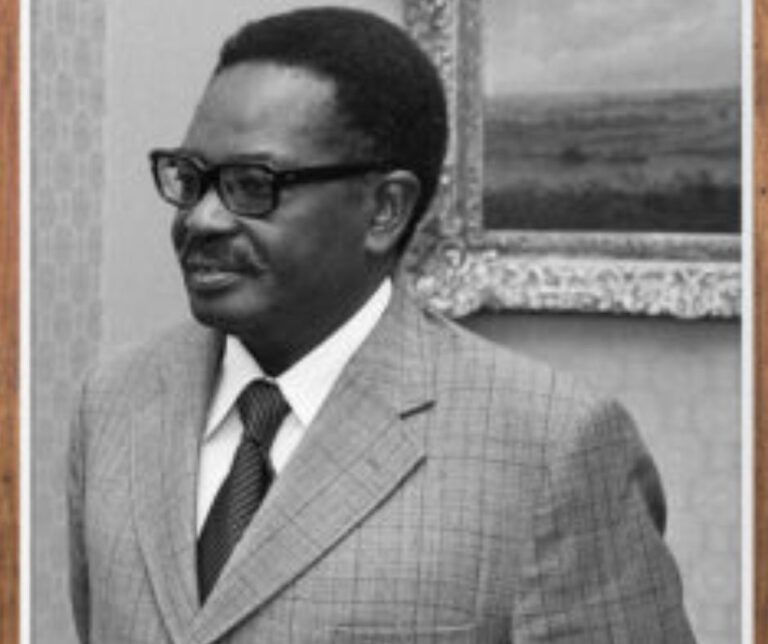
In the history of Africa, few leaders succeeded in uniting the power of the pen with the force of the gun, and poetry with revolution, as Agostinho Neto did, A physician, poet, and intellectual before becoming a liberation leader and the first President of independent Angola, Neto was far more than a political figure, He became a symbol of Africa’s struggle against Portuguese colonialism and one of the foremost champions of national liberation on the continent during the twentieth century.
Born in 1922 in Portuguese-ruled Angola, Agostinho Neto recognized from an early age the stark contradiction between his country’s immense natural wealth and the poverty, marginalization, and exploitation imposed upon its people by colonial rule, During his years of study in Portugal, he became actively involved in anti-colonial movements and was repeatedly arrested and persecuted because of his political activism and patriotic convictions.
As African liberation movements gained momentum throughout the 1950s and 1960s, Neto emerged as one of the leading figures of Angola’s national movement, He assumed the leadership of the Popular Movement for the Liberation of Angola (MPLA), which spearheaded the armed struggle against Portuguese colonial rule, His unwavering commitment to freedom cost him years of imprisonment and exile, yet he remained convinced that liberty was not merely a political aspiration but an inalienable human right.
Angola’s road to independence was neither short nor easy. The national movement confronted a colonial power that clung to its African possessions long after most other European empires had begun to withdraw. However, the political transformation in Portugal following the Carnation Revolution of 1974 paved the way for Angola’s independence, which was officially proclaimed on 11 November 1975.
On that historic day, Agostinho Neto declared the birth of the independent Republic of Angola and became its first President, He thus made the remarkable transition from leading a liberation movement to leading a sovereign state during one of the most critical periods in his country’s history.
Yet independence did not bring an end to Angola’s hardships, The newly independent nation soon found itself at the center of a complex regional and international conflict, becoming one of the principal battlegrounds of the Cold War in Africa. Nevertheless, Neto remained firmly committed to the principle of national sovereignty and refused to allow Angola’s independence to become an instrument of external powers.
Neto also held a profound belief in the unity of Africa’s destiny. He actively supported liberation movements across Southern Africa and regarded Angola’s independence as part of a broader struggle against colonialism and racial oppression, He maintained close relations with several prominent African liberation leaders, foremost among them Gamal Abdel Nasser, Kwame Nkrumah, Julius Nyerere, Kenneth Kaunda, and Sam Nujoma.
Alongside his political leadership, Neto preserved his standing as a distinguished poet and intellectual. His poetry gave voice to the suffering of his people and their aspirations for freedom and dignity, making literature an integral part of the liberation struggle, For Neto, there was no contradiction between culture and resistance; he believed that liberating the mind and restoring national identity were no less important than liberating the land itself.
Although his presidency was relatively brief—he passed away in 1979—his legacy transcended the years he governed, He left behind an independent nation, a cohesive national identity, and a political and cultural heritage that continues to resonate deeply among the Angolan people.
Today, Agostinho Neto is widely regarded as the founding father of modern Angola and the leader who guided his people from the era of colonial domination to the age of national sovereignty, He remains a unique model of leadership, embodying the union of thought and action, culture and liberation, patriotism and a broader commitment to African solidarity.
Neto believed that freedom was not the end of the journey but its beginning, and that building the state was no less important than achieving independence itself, For this reason, his name remains permanently inscribed in Africa’s collective memory as one of the great pioneers of national liberation and one of the statesmen who helped complete the continent’s march toward independence during the twentieth century.
read more