REUTERS
One year after the Sudanese Armed Forces regained control of the capital, Khartoum, from the paramilitary Rapid Support Forces (RSF), which seized the city at the outbreak of Sudan’s civil war in 2023, more than two million of the approximately five million residents who fled the capital have returned.
Despite government assurances that normal life would resume quickly following the military victory, Khartoum continues to face severe challenges. Large parts of the city remain without reliable electricity, many buildings are still heavily damaged, and numerous public-sector employees have yet to receive their salaries. For many returnees, going back to Sudan was not a matter of choice but a necessity, driven in part by increasing pressure on Sudanese refugees in neighboring .
Government Orders Civil Servants and Students Back to Khartoum
The Sudanese government, which relocated ministries and administrative institutions to the Red Sea city of Port Sudan during the conflict, has instructed civil servants to return to their offices in Khartoum.
Students who had previously attended online classes or taken examinations at temporary centers in other Sudanese cities or abroad have also been directed to return to campuses and resume in-person education.
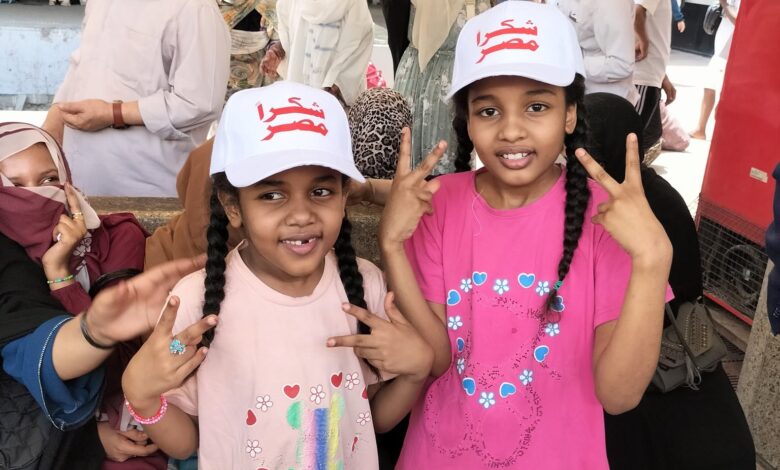
Among those returning is Nisreen Altayeb, who fled to Egypt with her family after the conflict erupted. She said her decision to return was influenced by a tightening campaign against refugees in Egypt that began earlier this year.
After hearing that security conditions in Sudan had improved, she and her family decided to return home. Altayeb is now attempting to resume her work as a schoolteacher, but like many government employees, she has yet to receive even her modest salary.
Recovery Remains Uneven Across the Capital
Recovery efforts have progressed more rapidly in Omdurman, Khartoum’s sister city on the western bank of the White Nile, where the Sudanese army maintained partial control throughout much of the conflict.
However, central Khartoum and the northern city of Bahri continue to suffer from widespread power outages and limited access to essential public services.
Authorities say reconstruction has been further delayed by continued drone attacks carried out by the RSF against electricity infrastructure and military facilities in and around the capital.
According to Altayeb Saadeldin, spokesperson for the Khartoum State Government, these attacks have significantly reduced electricity generation.
“The capital’s electricity is currently operating at only one-third of its pre-war capacity,” Saadeldin said.
“That available capacity is being distributed to provide residents with approximately eight hours of electricity per day.”
University of Khartoum Faces Extensive War Damage
The University of Khartoum, located in one of the areas hardest hit by the conflict, continues to suffer extensive damage.
Students instructed to return for face-to-face classes and examinations have found laboratories, lecture halls and student dormitories still bearing the scars of war.
“The city needs work just like the university needs work,” said student Megdad Kammal.
University officials confirmed that rehabilitation projects are ongoing as they prepare for the start of the new academic semester later this year.
Small Businesses Struggle Amid Slow Economic Recovery
Business owners across Khartoum are also facing mounting pressure to reopen their operations, particularly in Souq al-Arabi, the capital’s largest commercial market.
The sprawling marketplace, once a vital economic hub, became a fierce battleground during the conflict and was left heavily damaged, with land mines scattered throughout the area during the RSF’s withdrawal.
Although local authorities have resumed collecting taxes and administrative fees, many business owners argue that essential services, especially electricity, remain inadequate.
“Our income is very low right now. They need to help us return and encourage us to reopen our businesses,” said Mohamed Abdelbasit, the owner of a printing shop.
Abdelbasit called on authorities to postpone tax collection until businesses are able to recover and meet their operating expenses.
In response, Khartoum State Government spokesperson Altayeb Saadeldin said authorities are granting tax deferrals where necessary. However, he stressed that the state, facing severe financial constraints, also requires revenue to maintain critical public services, including security operations and the sewage system.
As millions of Sudanese continue returning to Khartoum, the capital remains caught between the promise of recovery and the enormous challenges of rebuilding a city devastated by war. While government institutions, schools and businesses are gradually resuming operations, the lack of reliable infrastructure, delayed salaries and ongoing security threats continue to slow Sudan’s path toward stability and reconstruction.
read more