Ambassador Dr. Mohamed Higazy Writes: Seretse Khama – From Cairo to Gaborone: When Egypt Embraced One of Africa’s Pioneers of Liberation (16)

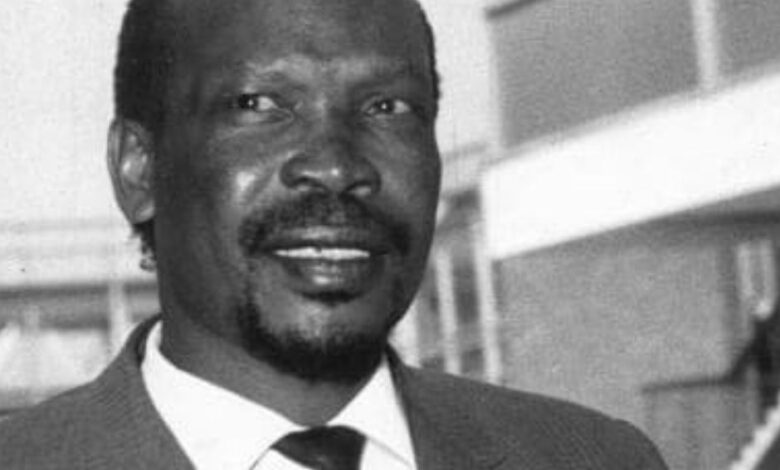
During the 1950s and 1960s, Cairo was not merely the capital of a major Arab and African state; it was the capital of the African liberation movement and an intellectual and political center that welcomed leaders of national liberation struggles from across the continent, Among the distinguished figures associated with this historic era was Botswana’s leader, Seretse Khama, who transformed from a young prince confronting colonialism and racial discrimination into the founding father of a nation that would later become one of Africa’s most successful political and developmental success stories.
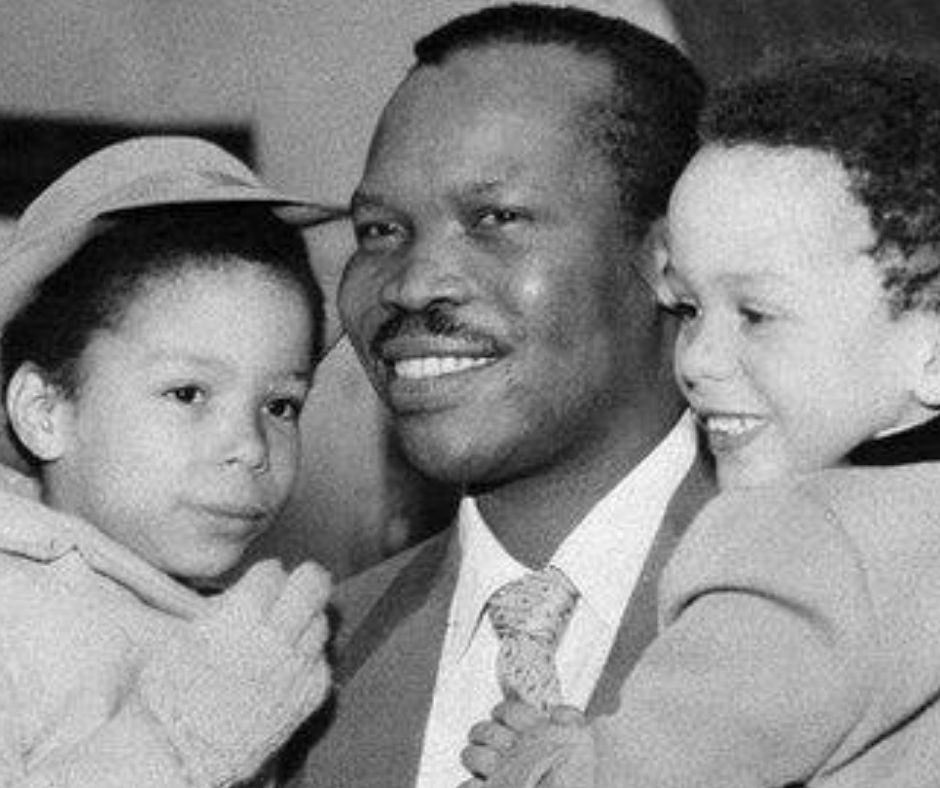
Seretse Khama was born in 1921 as the heir to the throne of the Bamangwato people in the British Protectorate of Bechuanaland, which later became the Republic of Botswana, From an early age, he found himself confronting an international and regional order built on colonialism and racial segregation. His life became an international political issue when he married the British woman Ruth Williams in the late 1940s, The marriage provoked the apartheid regime in South Africa and led the British authorities, under regional and political pressure, to exile him from his homeland for many years.
What the colonial powers had intended to be the end of his political career instead became the beginning of a new phase of national struggle, During his years in exile, Khama gained extensive political experience and emerged as a symbol of resistance against racial discrimination and foreign interference in African affairs, As the wave of African liberation gained momentum during the 1950s and 1960s, he joined the generation of African leaders who believed in their peoples’ right to independence and national sovereignty.
At that time, under the leadership of Gamal Abdel Nasser, Cairo had become the foremost destination for African liberation movements and a principal center for supporting the struggle against colonialism and racism. Egypt opened its doors to African freedom fighters and provided political, diplomatic, and media support for their causes in international forums, Within this broad climate of liberation, African nationalist leaders found in Cairo a platform through which they could express their aspirations and receive both moral and political support in confronting colonial rule.
Seretse Khama was part of that generation that benefited from the momentum created by Cairo. His struggle was not solely that of the people of Botswana; it formed part of the broader African battle against colonialism and racial oppression, Like Gamal Abdel Nasser, Kwame Nkrumah, Julius Nyerere, and Kenneth Kaunda, Khama understood that the independence of any African nation represented another step toward the liberation of the continent as a whole.
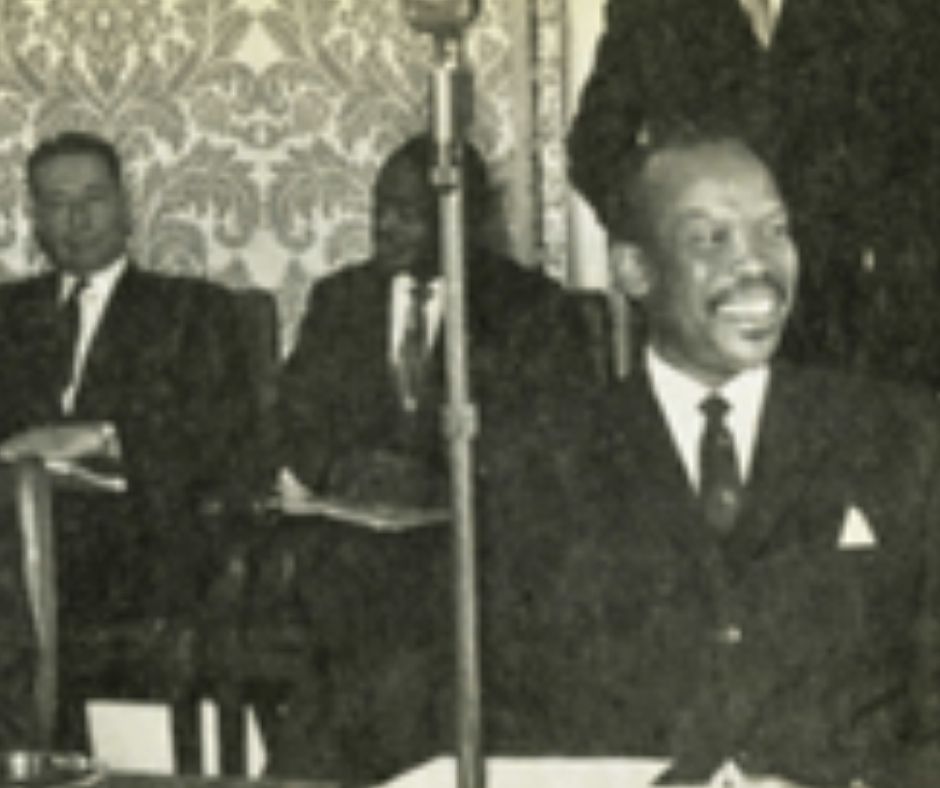
After years of political struggle, Khama returned to his homeland to lead the national movement demanding independence. He founded the Botswana Democratic Party, which successfully united broad segments of society behind the twin objectives of independence and state-building, When Botswana achieved independence on 30 September 1966, Seretse Khama became the first President of the new republic.
Yet Khama’s greatest achievement was not merely securing independence, His enduring legacy lay in transforming a poor country with limited resources and inadequate infrastructure into one of Africa’s most remarkable examples of political stability and economic development, He firmly believed that national liberation was not complete with the departure of colonial rulers; it required building strong institutions, ensuring sound governance of national resources, and achieving national reconciliation.
Khama also maintained a principled stance against apartheid in South Africa, providing political support to anti-apartheid movements across the region, He consistently affirmed that Botswana’s freedom could not be separated from the freedom of its neighbors, In doing so, he remained an integral member of a broader African front that included leaders such as Julius Nyerere, Kenneth Kaunda, and Sam Nujoma, among others who spearheaded Southern Africa’s liberation struggles.
The experience of Seretse Khama illustrates one of the most significant dimensions of Cairo’s historic role as the capital of African liberation, Cairo did not merely support armed revolutions and conventional liberation movements; it also stood behind those leaders who pursued political and diplomatic paths toward building independent states capable of achieving development and stability.
When Seretse Khama passed away in 1980, he left behind a stable nation, enduring institutions, and a clear vision for the future, In Africa’s collective memory, he remains one of the founding fathers of independence and an integral part of the continent’s liberation epic, in which Cairo served as the beating heart and the great home that embraced Africa’s aspirations for freedom and sovereignty.
The story of Seretse Khama reminds us that Africa’s struggle for liberation was not confined to battlefields. It also unfolded in negotiating rooms, political forums, and the institutions of state, It further reminds us that Cairo—the capital of African liberation—was present at every stage of that journey, supporting all those who believed in Africa’s right to determine its own destiny and shape its own future.
read more
Ambassador Dr. Mohamed Higazy Writes: Jomo Kenyatta.. The Founding Father of Modern Kenya “13”