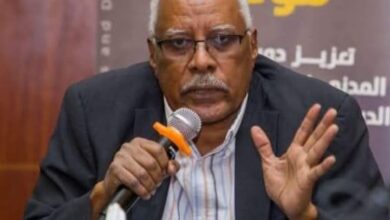
Ambassador Dr. Mohamed Higazy Writes: Jomo Kenyatta.. The Founding Father of Modern Kenya ” 13″

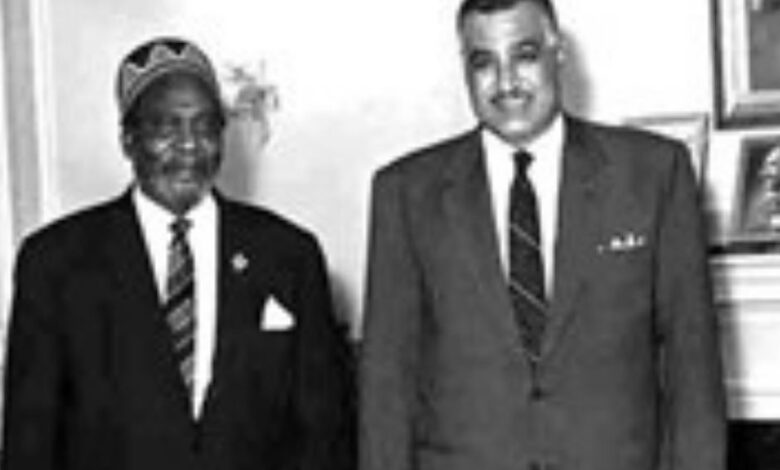
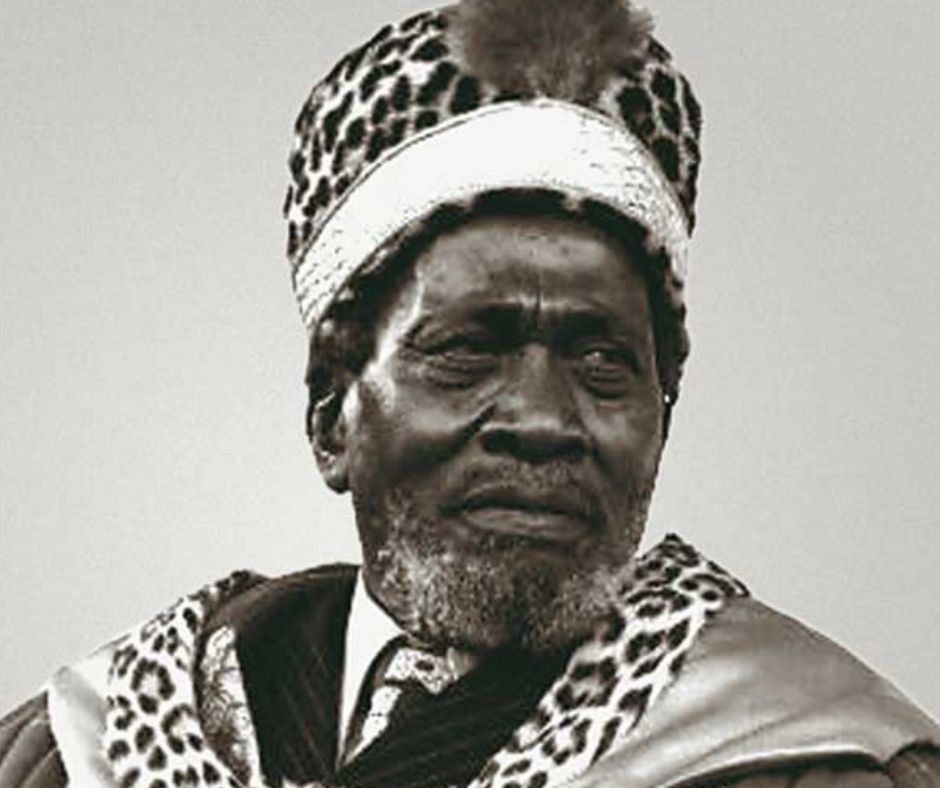
In the history of nations, there are defining moments when remarkable leaders emerge to embody their people’s aspirations for freedom and independence, In Kenya’s history, Jomo Kenyatta occupies a unique place as the founding father of the modern Kenyan state and the leader whose name became synonymous with the country’s transition from colonial rule to independence, and from resistance to nation-building.
Born around 1897 into the Kikuyu community—the largest ethnic group in Kenya—Kenyatta witnessed firsthand the profound changes brought about by British colonial rule, particularly the confiscation of fertile agricultural land and the systematic denial of political and economic rights to indigenous Africans. These issues of land ownership and national identity became the defining themes of his political and intellectual journey.
Kenyatta began his public life as an advocate for African rights before traveling to Europe, where he pursued academic studies and became acquainted with the dominant political ideas of the time. During his years abroad, he emerged as one of the most prominent international voices for the Kenyan cause, working tirelessly to raise global awareness of his people’s demands for freedom, equality, and an end to colonial rule.
As Kenya’s nationalist movement gained momentum following the Second World War, Kenyatta returned home to lead the Kenya African Union (KAU), which became the principal political organization advocating for independence. During this turbulent period, Kenya experienced the Mau Mau Uprising against British colonial rule.
Although historians continue to debate the exact nature of Kenyatta’s direct involvement with the movement, the colonial authorities viewed him as the symbolic leader of the nationalist struggle. In 1952, he was arrested, tried, and sentenced to years of imprisonment.
Rather than diminishing his influence, imprisonment elevated his status among Kenyans. He became a powerful symbol of the nation’s suffering and determination to achieve freedom, As international pressure mounted and domestic demands for self-government intensified, Kenyatta was released in 1961, returning to political life as the undisputed leader of Kenya’s independence movement during the final negotiations with Britain.
On December 12, 1963, Kenya achieved its independence, and one year later it became a republic with Jomo Kenyatta as its first President, Thus, the man who had spent years behind bars became the architect of a new nation in one of Africa’s most inspiring stories of liberation.
Kenyatta faced enormous challenges during the early years of independence, He was tasked with uniting a country composed of diverse ethnic communities, languages, and cultures while simultaneously building modern state institutions capable of ensuring stability and development.
His guiding motto—“Harambee” (“Pulling Together”), together with his emphasis on unity, work, and progress—captured his conviction that nation-building required transcending tribal and regional divisions.
Economically, Kenyatta encouraged private investment, expanded educational opportunities, and invested heavily in infrastructure, laying the foundations for the economic growth Kenya would experience in subsequent decades, In foreign affairs, he pursued a balanced and pragmatic policy that enabled Kenya to maintain constructive relations with competing international powers throughout the Cold War.
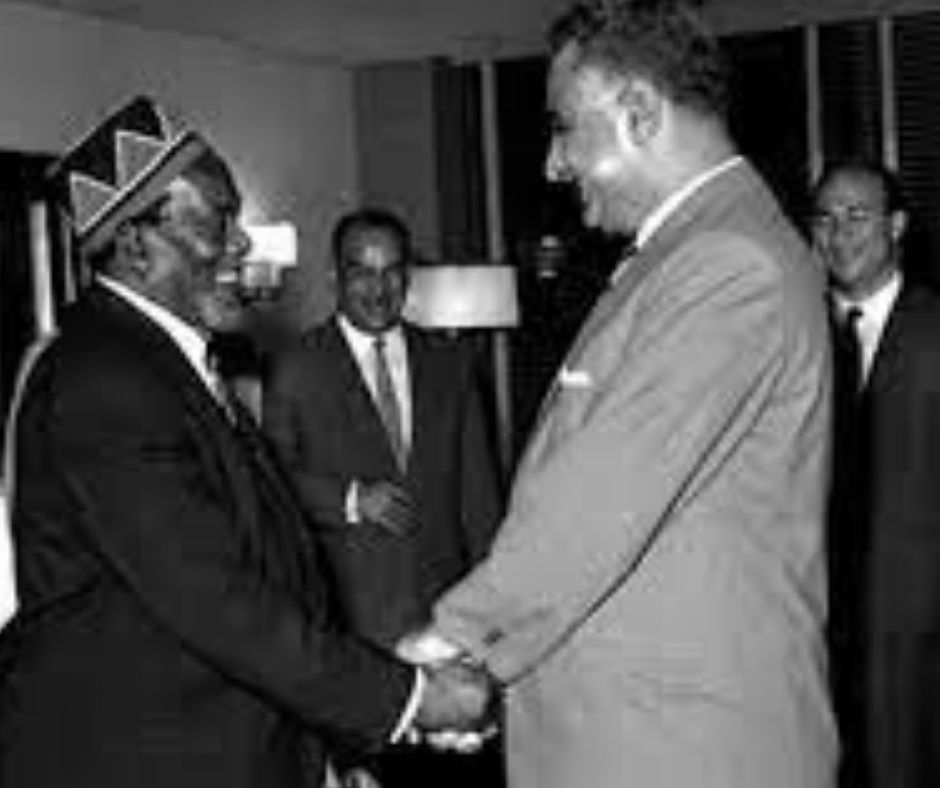
Kenyatta also believed deeply in African solidarity. He supported efforts to strengthen cooperation among newly independent African states and maintained close relationships with many of the continent’s leading liberation figures. He viewed the independence of every African nation as a contribution to the collective strength and dignity of Africa.
Although his administration faced criticism—particularly over the concentration of political power and the growing influence of political and economic elites—his historical stature has remained firmly intact as the leader who secured Kenya’s independence and laid the foundations of the modern Kenyan state, The stability achieved under his leadership and the establishment of national institutions ensured that his name would forever be associated with the birth of a new Kenya.
When Kenyatta passed away in 1978, Kenya had made significant progress in consolidating its state institutions and national identity, His legacy has endured in both Kenyan and African memory as one of the generation of leaders who guided their nations from colonial domination to sovereign independence.
Jomo Kenyatta’s life represents a distinctive African experience: a leader who began as an advocate for his people’s rights, became a symbol of national liberation, and ultimately emerged as the founder of a modern state.
For this reason, he stands among the great architects of African independence—leaders who not only secured political freedom but also devoted themselves to building enduring national institutions and promoting development and stability.
Today, his name remains a lasting testament to a historic era in which Africa shaped its own destiny through the determination and sacrifice of its sons and daughters, demonstrating that the struggle for freedom can ultimately become the foundation for nation-building, development, and lasting stability.
read more
Ahmed Sékou Touré and Guinea .. Difficult Independence and Egyptian Support ” 3 “