By Ambassador Dr Mohamed Higazy, Former Assistant Foreign Minister for African Affairs
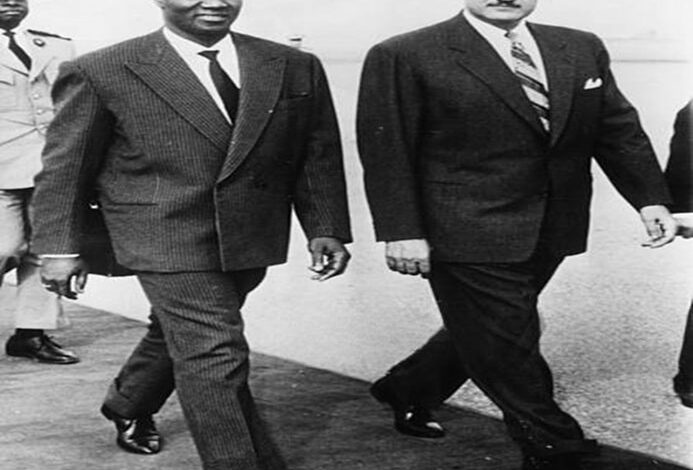
The independence of Guinea in 1958 represented one of the boldest moments in African liberation history—not only because it defied French colonial authority in West Africa, but because it established a new path toward independence grounded in sovereign national decision-making regardless of cost, At the center of this historic moment stood Ahmed Sékou Touré, a leader who chose confrontation over compromise and found in Cairo a decisive political and moral ally during one of Africa’s most difficult moments of decolonization.
When the Guinean people voted “No” in the referendum proposed by France under the “French Community” framework, it was an unprecedented act in Francophone Africa. The colonial response was severe: abrupt administrative withdrawal, dismantling of institutions, cutting aid, and attempts to economically and politically suffocate the newly born state. In that critical moment, Cairo understood that Guinea’s independence was not merely a local matter, but a test of Africa’s collective will.
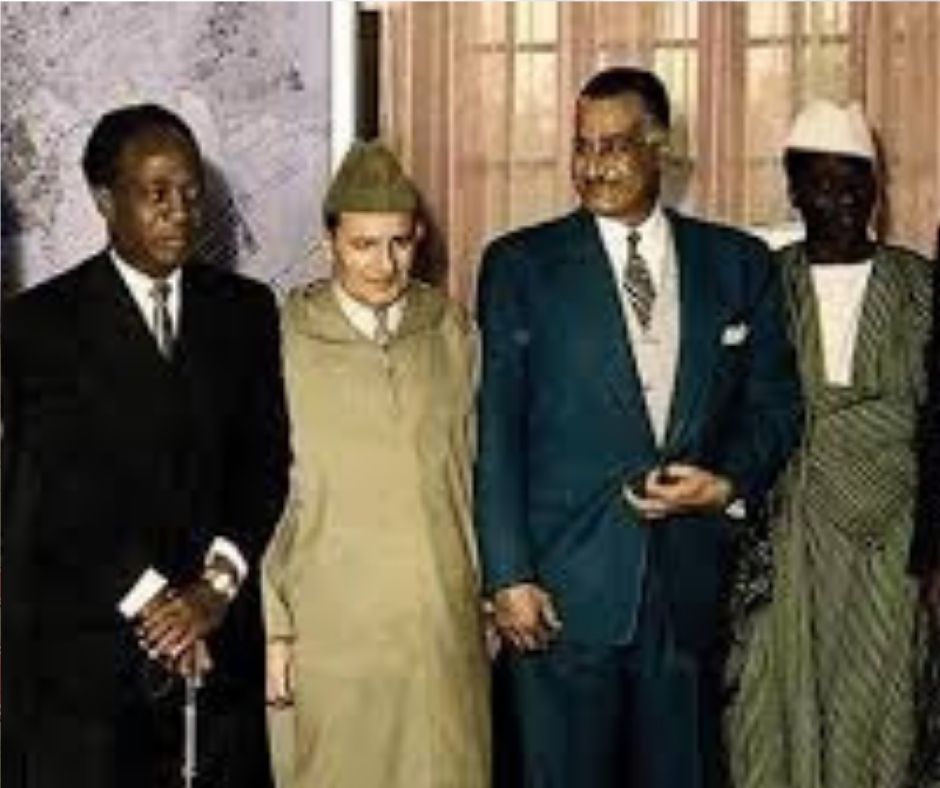
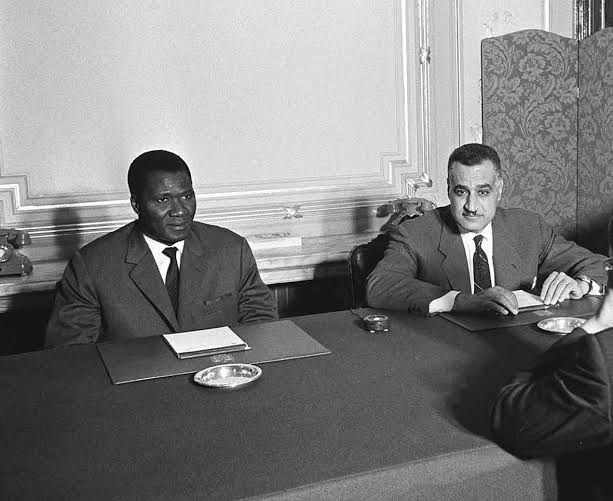
Led by Gamal Abdel Nasser, Egypt acted from a firm conviction that the success or failure of Guinea’s experience would send a message to the rest of the continent: either independence was achievable, or its cost was unbearable. Thus, Egypt’s support for Guinea was not symbolic solidarity, but a strategic decision to defend the very idea of liberation.
Cairo provided intensive diplomatic support for Guinea in international forums, helped break its isolation, and opened its media platforms to amplify Conakry’s voice to the world, emphasizing that Guinea’s stance represented the legitimate will of a people. Egypt also facilitated communication and coordination between Sékou Touré and African liberation leaders through support networks in which Cairo was a principal hub.
The relationship between Nasser and Sékou Touré was defined more by shared principles than by political interests. Both leaders believed that political independence was incomplete without economic and cultural sovereignty, and that external pressures, however severe, should never force retreat from the path of independence. In this context, Cairo became a political and moral refuge for Guinea’s leadership in its formative years, helping secure Guinea’s place in African and international affairs.
Guinea’s experience was neither easy nor free from challenges, but its historical significance remained profound. It demonstrated that continental solidarity could reduce the cost of independence, and that Cairo was prepared to bear part of that burden in defense of a broader liberation project. From this perspective, Egyptian-Guinean relations acquired a symbolic dimension that made them a model of African solidarity.
Today, as questions of sovereignty and independence reemerge across Africa amid escalating international competition, the experience of Guinea and Sékou Touré—with clear Egyptian backing—retains renewed relevance. It reminds us that liberation is not granted but seized, and that the capitals courageous enough to stand in solidarity during moments of trial were the very capitals that helped shape independent Africa.
read more