Southern African Gateway: Mozambique Approves Strategic Logistics and Energy Infrastructure Corridors

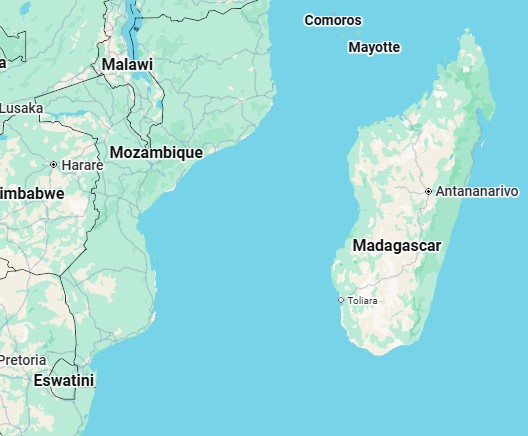
The Mozambican government has officially authorized a sweeping portfolio of strategic public-private partnership concessions targeting port infrastructure, specialized logistics corridors, and transnational energy terminals.
Announcing the executive decrees following a decisive Council of Ministers session in Maputo, government spokesperson Inocencio Impissa revealed that the administration is fast-tracking high-value projects through direct structural adjustments.
The coordinated macro-strategy aims to reinforce national energy security while positioned to structurally capture the expanding trading volumes of landlocked Southern African Development Community (SADC) markets.
The infrastructure rollout is anchored by highly specialized logistics nodes designed to eliminate transit bottlenecks in central and southern Mozambique.
Key among the approved initiatives is the Beira Hazardous Cargo Terminal in the Dondo district of Sofala Province, developed in tight synchronization with Mozambique Ports and Railways (CFM) to formalize safety protocols and scale up the handling of volatile industrial inputs.
Concurrently, the government cleared negotiations for the concession of the Port of Quelimane in Zambezia Province, explicitly retrofitting the maritime asset to optimize the maritime reception, storage, and cross-border distribution of refined liquid fuels.
Further inland, the administration is deploying heavy capital into the Savane Corridor Fuel Terminal, Storage, and Pipeline project—a joint strategic venture between state-owned oil company Petromoc and CFM.
By integrating modern pipeline architecture with coastal storage networks, the corridor is engineered to insulate the domestic economy from global energy volatility while securing a high-velocity fuel supply line for regional neighbors.
This transborder connectivity is expanded by the newly authorized Mapinhane-Pafuri Development Corridor in Inhambane Province, which builds a direct logistical pipeline cutting through Gaza Province to the Pafuri border, establishing a low-friction trade artery linking Mozambican ports directly to the industrial heartlands of South Africa and Zimbabwe.
Ultimately, Mozambique’s aggressive infrastructure expansion marks a calculated play to cement its status as the primary maritime gateway for the SADC region, By bypassing lengthy standard tendering processes in favor of direct strategic adjustments for critical energy assets, Maputo is prioritizing operational velocity.
As regional demand for energy products and trade corridors accelerates, the institutionalization of these integrated transport and pipeline networks ensures that Mozambique will wield significant geopolitical and economic leverage over the sub-continental supply chain.
read more
Mozambique Mandates State Ownership to Overhaul National Mining Sector