Ambassador Dr. Mohamed Higazy
In the 1950s and 1960s, Cairo was not merely the capital of a state seeking to consolidate its own national independence.
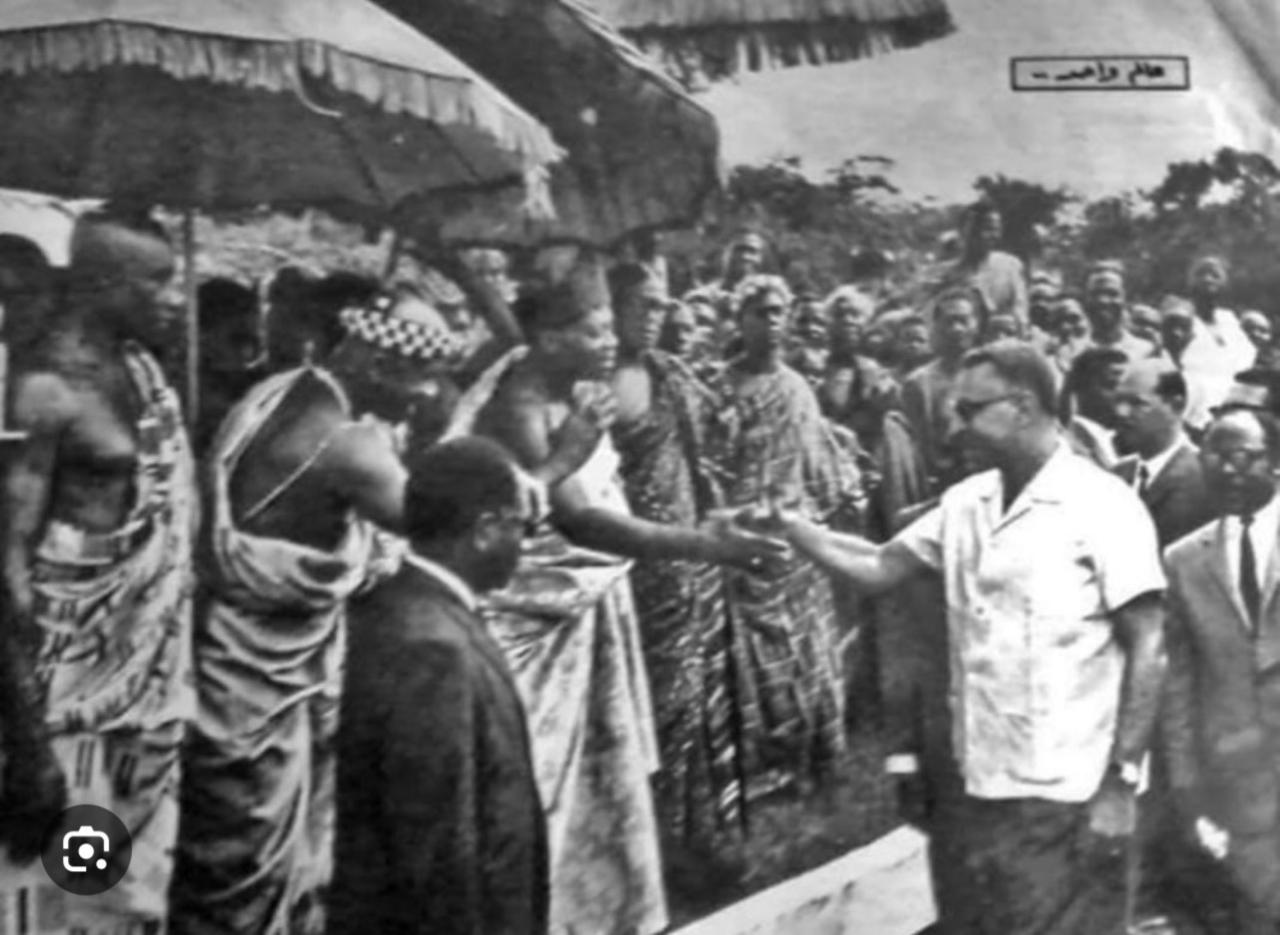
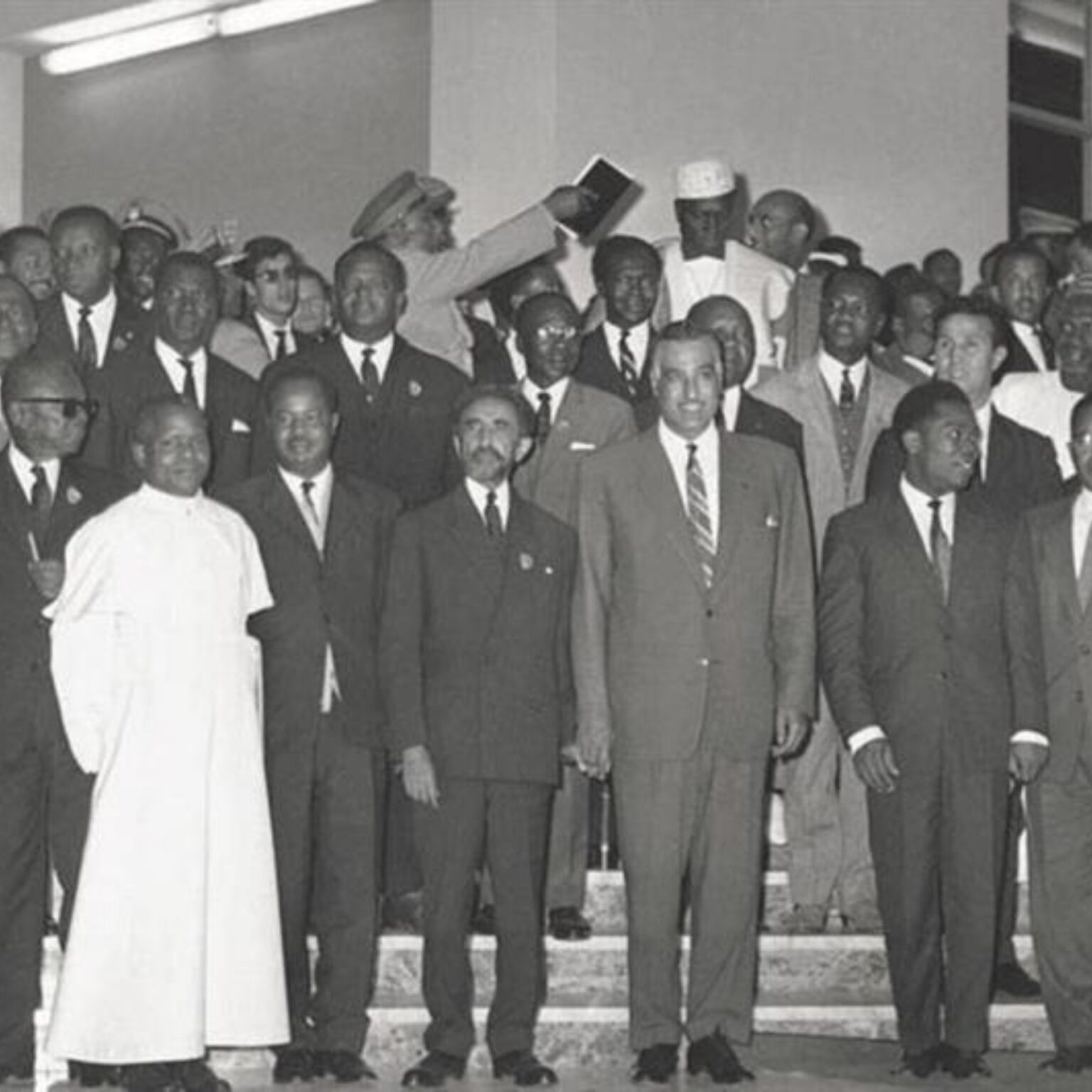
It became the effective capital of African liberation, a meeting point for leaders of national liberation movements, and a political, media, and organizational platform for struggles against colonialism across the African continent.
From Cairo emerged ideas, networks were forged, and visions took shape that contributed to dismantling one of the longest eras of colonial domination in modern history.
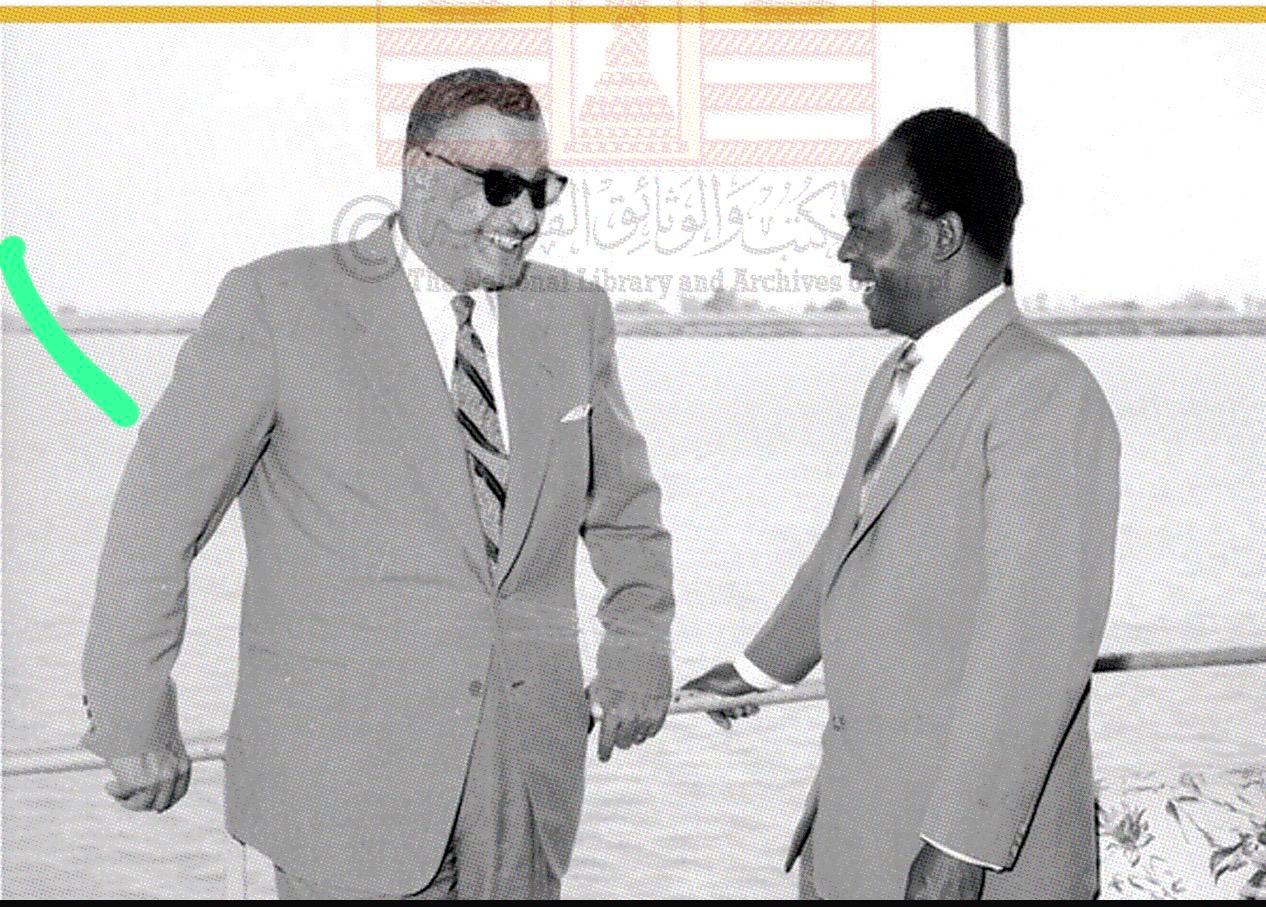
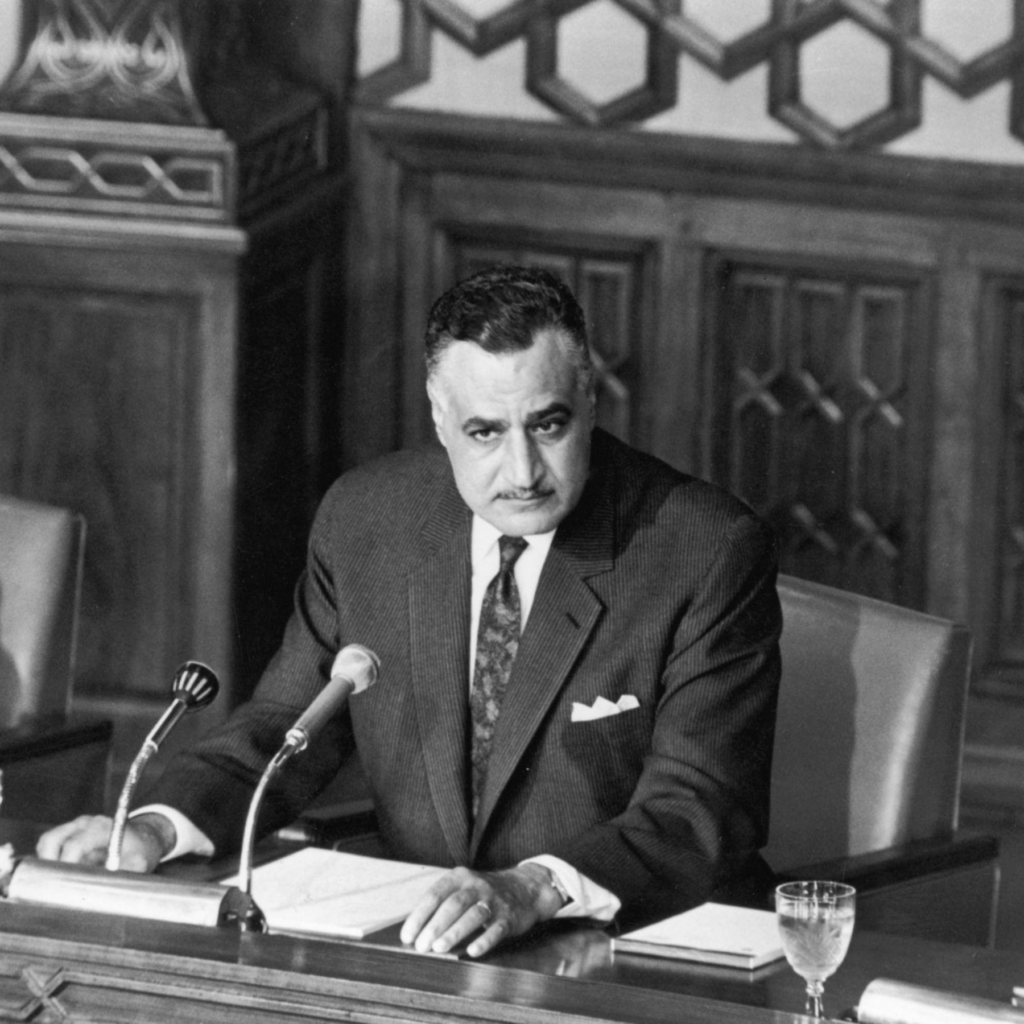
At the center of this role stood the leadership of Gamal Abdel Nasser, who recognized early that Egypt’s independence could not be complete without Africa’s liberation, and that the struggle against colonialism transcended geography and national borders. For Nasser, confronting colonialism was not a domestic endeavor confined within state boundaries, but part of a broader transnational solidarity movement.
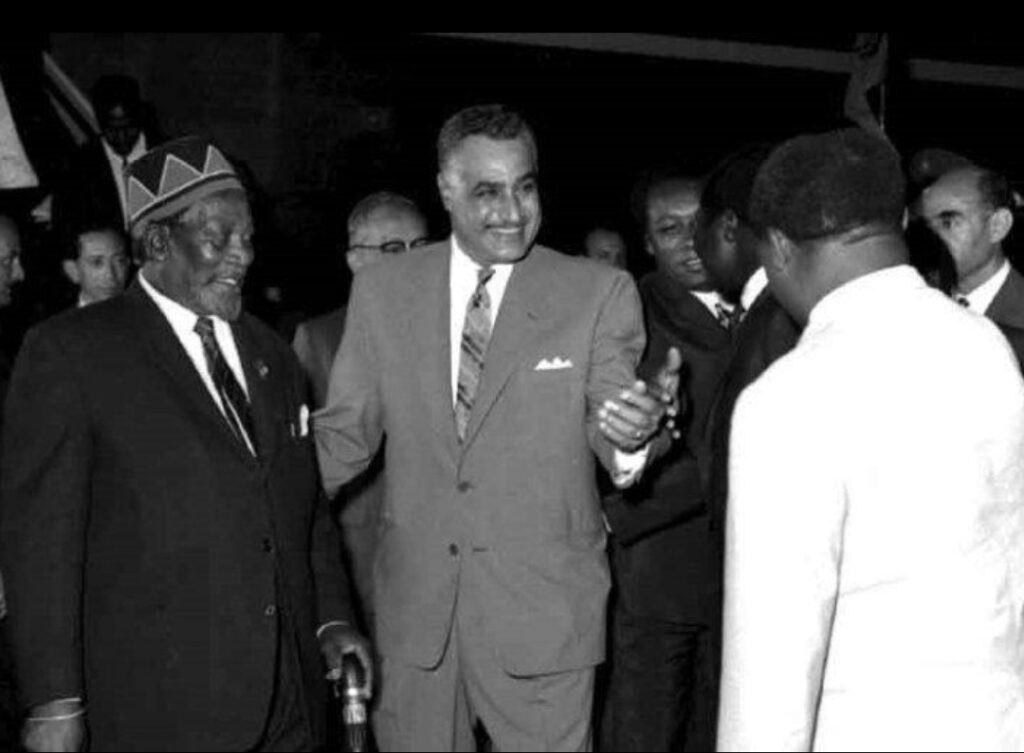
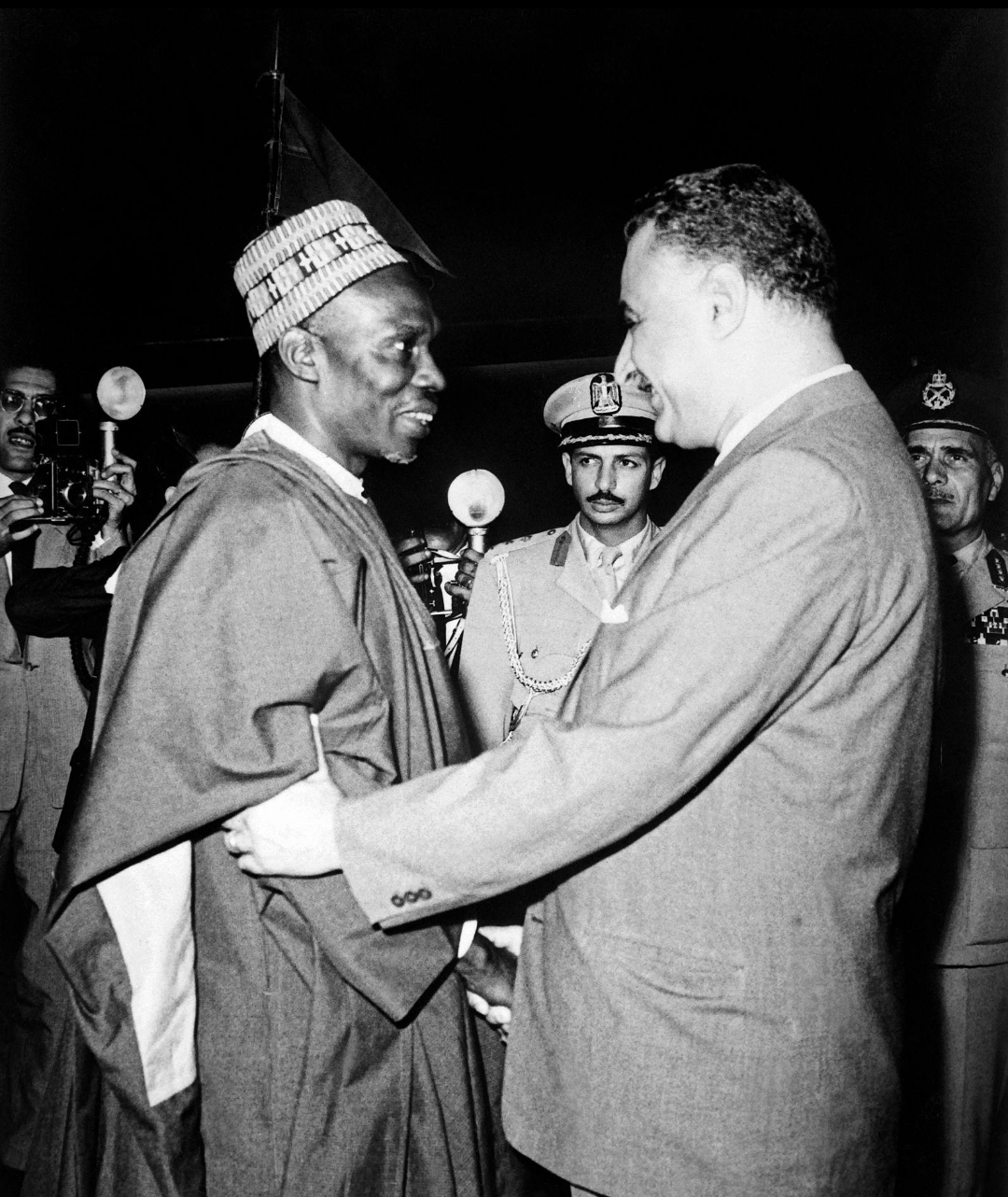
Egypt’s support for African liberation movements was not limited to political rhetoric or symbolic sympathy. It was practical and multidimensional: politically, through hosting liberation leaders; through media platforms such as “Voice of Africa” radio; organizationally, by providing coordination platforms; through training and support for cadres; and diplomatically, by internationalizing African causes in global forums.
These relationships were not ceremonial or protocol-driven. They were intellectual and political alliances grounded in a shared vision of the Third World, rejection of colonial polarization, and the pursuit of genuine independence—not merely the raising of national flags, but the establishment of sovereign national decision-making. From Cairo emerged a current that linked Arab nationalism, African liberation, and the Non-Aligned Movement.
Why Revisit This History Today?
Revisiting Cairo’s role as the capital of African struggle is not an exercise in nostalgia, but the recovery of a strategic pillar of Egyptian foreign policy. In a world witnessing the reshaping of international balances and growing competition over Africa, recalling this legacy represents a source of soft power, political legitimacy, and a foundation for renewing Egyptian-African partnership on historically solid grounds.
The first episode of this series was intentionally conceived as a foundational and well-documented chapter carrying significant symbolic and historical value, placing the reader from the very first line before the reality that Cairo was not merely a supporter of African liberation, but an actual headquarters of African struggle.
read more