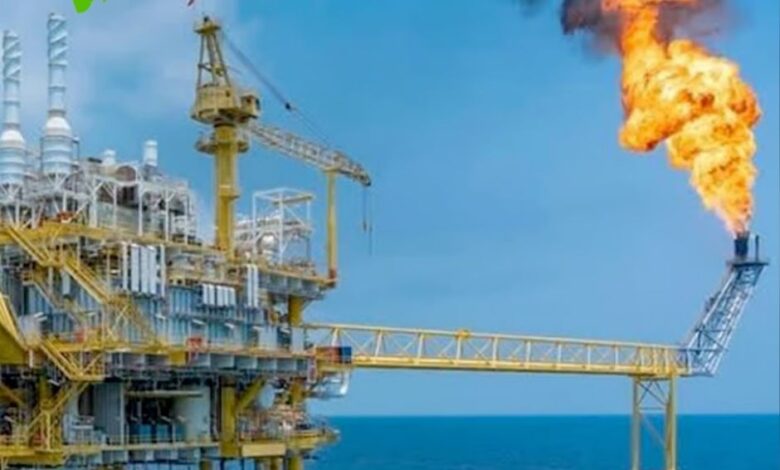
Senegal is preparing to take full control of its energy future as the national oil company, PETROSEN, nears sole ownership of the Yakaar-Teranga offshore gas field. This $7.5 billion asset is positioned as the cornerstone of the nation’s gas-to-power and industrialization strategy, aimed at ending Senegal’s reliance on imported fuels and eliminating over $1 billion in annual energy subsidies.
The development comes as international partners, including BP and Kosmos Energy, exit the project. While the Ministry of Energy previously maintained that the transition was a standard contractual expiration, Energy Minister Birame Souleye Diop has adopted a more assertive stance, explicitly stating the government’s intent to nationalize the project to ensure it serves domestic needs first.
Strategic Phasing and Industrial Ambitions
The project is structured in two distinct financial and operational stages. The first phase, estimated at $2.5 billion, is focused on immediate domestic security, aiming to deliver 300 million cubic feet of gas per day to the local market for electricity generation. The second, more expansive phase, worth approximately $5 billion, is a massive downstream expansion designed to fuel heavy industries, including fertilizer production, petrochemicals, steel, and cement.
Economic Transformation and Fiscal Relief
According to PETROSEN’s leadership, the transition from being a net importer of refined products to a self-sufficient producer is a mechanical necessity for Senegal’s fiscal health. By utilizing long-term offtake contracts spanning fifteen to twenty years, the government plans to secure investment-grade debt to fund the development independently.
This move mirrors a broader continental trend where African nations, emboldened by recent production successes like Senegal’s Sangomar Field in 2024, are seeking greater equity and operational control over their natural resources. For Senegal, Yakaar-Teranga represents not just a hydrocarbon asset, but a sovereign platform for long-term industrial sovereignty and a decisive step toward economic transcendence.
read more