Nasser and Kwame Nkrumah .. From National Independence to the Dream of Continental Unity ” 2 “

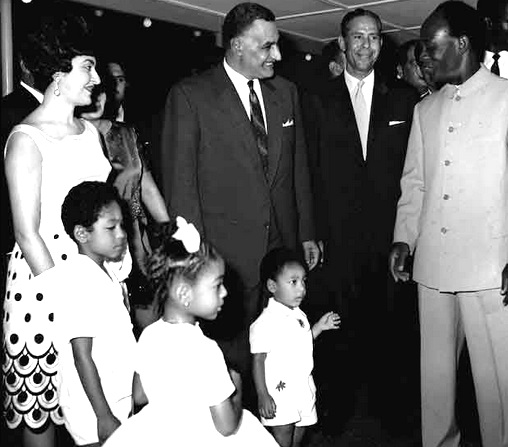
Ambassador Dr. Mohamed Higazy
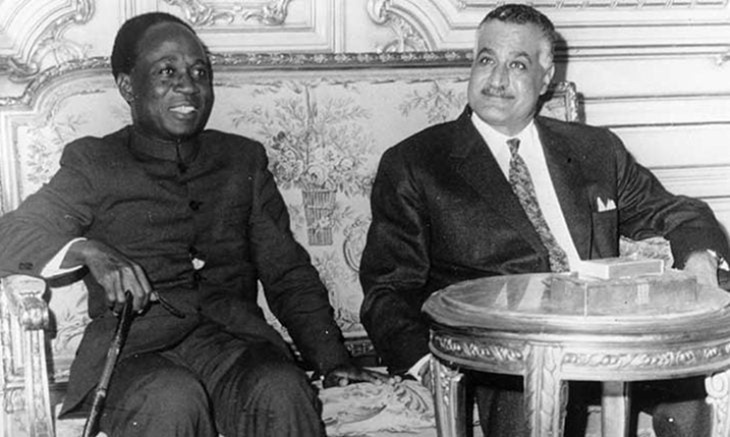
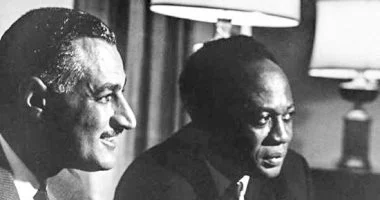
The relationship between Cairo and Accra during the 1950s and 1960s was not merely a passing political coordination between two newly independent states, It was an intellectual and strategic partnership that contributed to shaping a broad African liberation project, At the heart of this partnership converged the vision of Gamal Abdel Nasser and the ambitions of Kwame Nkrumah to build an Africa that was politically independent, united in voice, and capable of protecting its sovereignty in a world being reshaped after the Second World War.
Since Ghana’s independence in 1957, Nkrumah understood that political independence was incomplete without economic and cultural liberation, and that the continent would remain vulnerable to renewed domination if it stayed fragmented. In Cairo, he found a partner sharing the same conviction. Egypt, emerging from the struggles of British withdrawal and the nationalization of the Suez Canal, saw Africa as its natural depth and continental solidarity as a cornerstone of its national security and international role.
This shared vision materialized through repeated meetings and intensive consultations that transformed Cairo into a permanent coordination platform for African liberation leaders. The relationship between Nasser and Nkrumah was not merely between two heads of state, but a dialogue between two liberation schools: Arab nationalism freed from colonialism, and African nationalism striving to overcome the colonial legacy of fragmentation. From this dialogue emerged the conviction that the liberation struggle was one, requiring political, diplomatic, media, and organizational tools simultaneously.
Egypt supported Ghana in diplomatic battles and provided media platforms—most notably “Voice of Africa”—to amplify African voices internationally. Cairo also opened its doors to liberation leaders, offering spaces for coordination and planning, some of which later became historical landmarks. In turn, Nkrumah played a pivotal role in advancing the idea of African unity, relying on networks forged in Cairo and on Egypt’s clear political and moral support.
This cooperation reached its peak in the efforts preceding the establishment of the Organization of African Unity in 1963. Cairo and Accra, alongside other African capitals, formed a solid nucleus pushing to institutionalize solidarity. Despite later differences between advocates of immediate unity and supporters of gradual integration, the Egyptian-Ghanaian role remained a balancing force that preserved the core of the continental project.
The partnership did not escape international pressures. Former colonial powers and Cold War superpowers viewed the Cairo-Accra rapprochement with concern, seeing it as a direct threat to their interests in Africa. Yet Nasser and Nkrumah understood that genuine independence demanded endurance under pressure, and that building an independent African position required political courage and resilience.
Today, revisiting this relationship is not simply a historical exercise, but a political and cultural necessity. At a time of renewed global competition over Africa and growing debates over sovereignty, development, and economic independence, the Nasser-Nkrumah model offers an enduring lesson: sincere continental partnerships rooted in mutual respect and shared destiny can transform geography into power and history into a resource for the future.
- Ambassador Dr. Mohamed Higazy .. Former Assistant Foreign Minister for African Affairs
read more