Ambassador Dr. Mohamed Higazy Writes: Robert Mugabe… From the Prisons of Rhodesia to the Independence of Zimbabwe
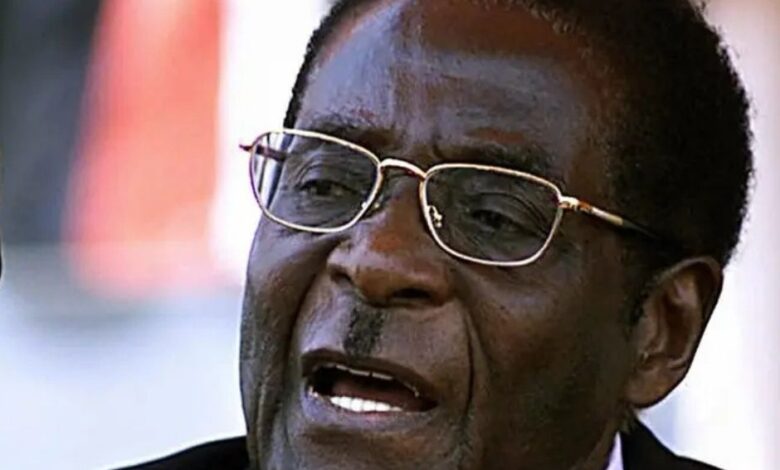
In the history of African liberation, the name Robert Mugabe remains one of the figures most closely associated with the struggle against settler colonialism and white minority rule in Southern Africa, Despite the controversy surrounding the later years of his presidency, his place in the history of national liberation remains firmly linked to the decisive role he played in leading the people of Zimbabwe to independence and bringing an end to one of the most entrenched colonial regimes on the African continent.
Robert Mugabe was born in 1924 in Southern Rhodesia, then under the control of a British-backed white minority government, He grew up in a society marked by profound political and economic discrimination between European settlers and the African majority, This environment deeply shaped his political consciousness and convinced him that racial domination had to be dismantled in favor of national equality and majority rule.
From an early age, Mugabe distinguished himself through his commitment to education and political thought. He worked as a schoolteacher before entering nationalist politics, As African liberation movements gained momentum during the 1950s and 1960s, he emerged as one of the leading voices demanding an end to colonial rule and the establishment of a democratic state based on majority governance.
When Ian Smith’s regime unilaterally declared Rhodesia’s independence in 1965 in an effort to preserve white minority rule and deny the African majority its political rights, the country entered a prolonged period of conflict, During this turbulent era, the colonial authorities arrested Mugabe along with other nationalist leaders, and he spent more than a decade in prison. Yet imprisonment only strengthened his determination and elevated his stature among his people, who came to regard him as a symbol of resistance and steadfastness.
During the same period, Cairo, under the leadership of President Gamal Abdel Nasser, continued to serve as the capital of African liberation, providing political support to national liberation movements across the continent and mobilizing international backing for peoples living under colonial domination and racial oppression, The Rhodesian question received particular attention within both the Organization of African Unity (OAU) and the Non-Aligned Movement, in whose deliberations Egypt played a prominent role.
Following his release from prison, Mugabe continued the struggle from exile, joining fellow nationalist leaders who had established political and military bases in Zambia, Mozambique, and Tanzania, There, he worked closely with prominent African liberation leaders, including Kenneth Kaunda, Julius Nyerere, and Samora Machel, all of whom provided vital support to liberation movements throughout Southern Africa.
Throughout the 1970s, the liberation war against Ian Smith’s regime intensified, making the Rhodesian issue a central focus of African and international efforts to end white minority rule, As military and diplomatic pressure mounted, the opposing parties entered negotiations that culminated in the Lancaster House Agreement of 1979, paving the way for democratic elections and the birth of an independent Zimbabwe.
On 18 April 1980, the Republic of Zimbabwe officially gained its independence, and Robert Mugabe became the country’s first Prime Minister in what many regarded as a historic triumph for African liberation movements, The independence celebrations were attended by numerous African and international leaders, who viewed Zimbabwe’s freedom as a decisive step toward eliminating one of the last bastions of settler colonialism in Africa.
During the early years of independence, Mugabe concentrated on expanding access to education, improving healthcare, and increasing the participation of the African majority in the national economy, Zimbabwe achieved remarkable progress in education, literacy, and social services, earning widespread international recognition during the early years of independence.
Zimbabwe also remained firmly committed to supporting liberation struggles throughout the region, particularly Namibia’s fight against South African occupation and the African National Congress (ANC) led by Nelson Mandela in its struggle against apartheid, Consequently, Harare emerged during the 1980s as one of Africa’s principal capitals supporting liberation movements across Southern Africa.
In later years, however, Mugabe’s political career became increasingly marked by severe economic and political crises that generated considerable controversy both within Zimbabwe and internationally, Nevertheless, any balanced historical assessment of his legacy requires distinguishing between his role as a leader of national liberation and the debates surrounding his subsequent years in power.
Within the collective memory of African liberation, Mugabe remains one of the generation of leaders who confronted settler colonialism and secured their people’s right to self-determination, His struggle formed part of a broader historical journey that began in Accra, Cairo, Dar es Salaam, Lusaka, and Addis Ababa, ultimately culminating in the liberation of most of Africa from colonial domination and institutionalized racial rule.
When Robert Mugabe passed away in 2019, opinions regarding his political legacy remained deeply divided. Yet one point commanded broad agreement: Robert Mugabe was one of the foremost figures of the national liberation struggle in Southern Africa, and his name will forever be associated with Zimbabwe’s transition from white minority rule to national independence.
Mugabe embodied the story of an entire generation of Africans who believed that freedom is never granted but must be won, and that independence is worth every sacrifice, regardless of how long the struggle may last, For this reason, he remains part of the distinguished generation of leaders who completed Africa’s liberation during the twentieth century—a historic journey in which Cairo stood as one of the continent’s foremost political and diplomatic centers of African emancipation.
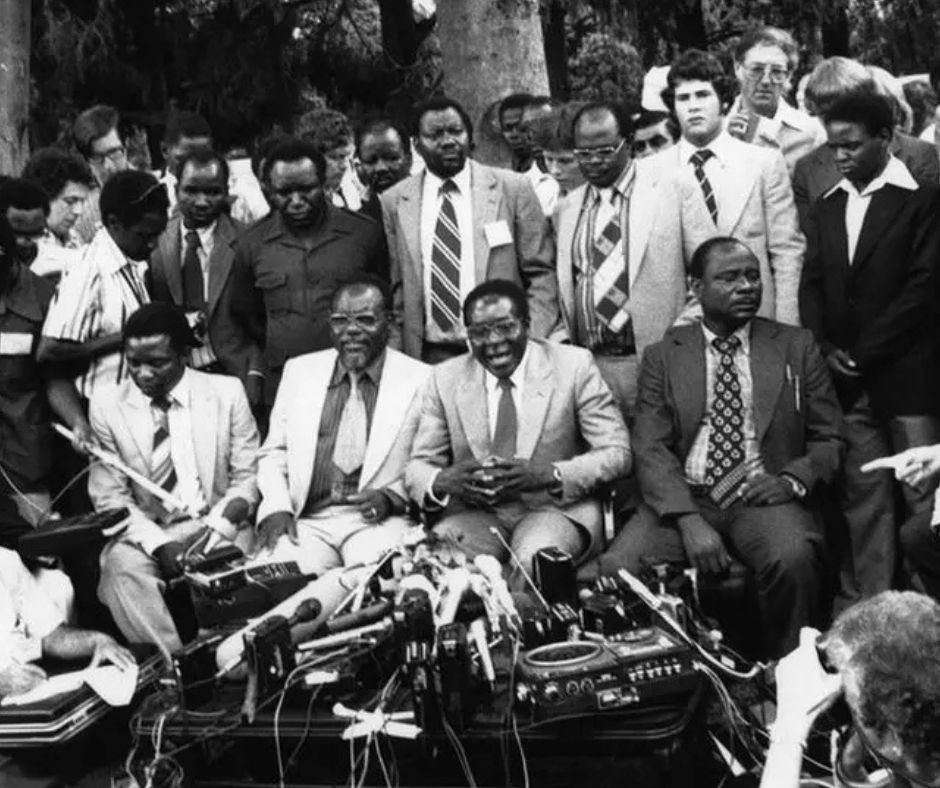
president of Zimbabwe
read more