Ambassador Dr. Mohamed Hegazy writes: Mozambique… from liberation to peace… Mondlane, Machel, and Chissano… three men who built a nation

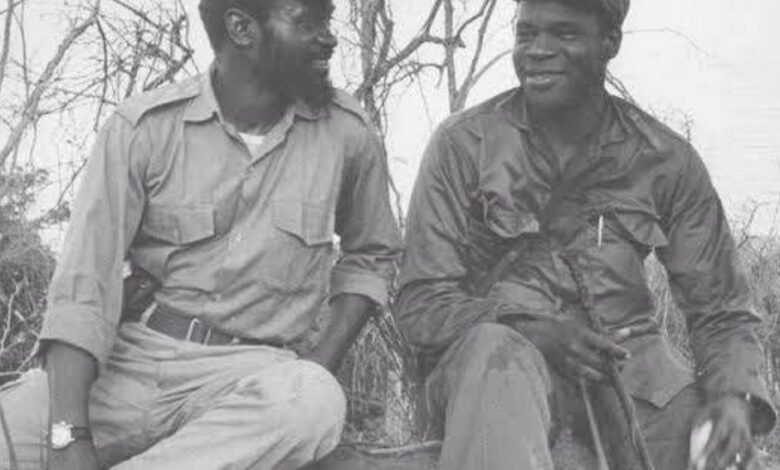
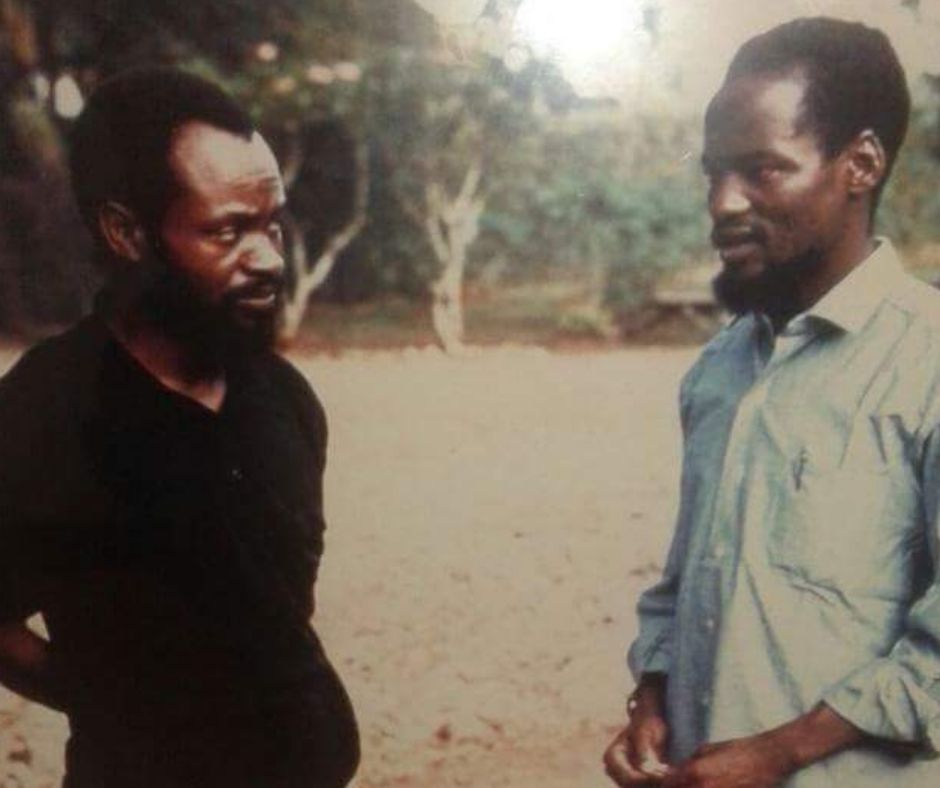
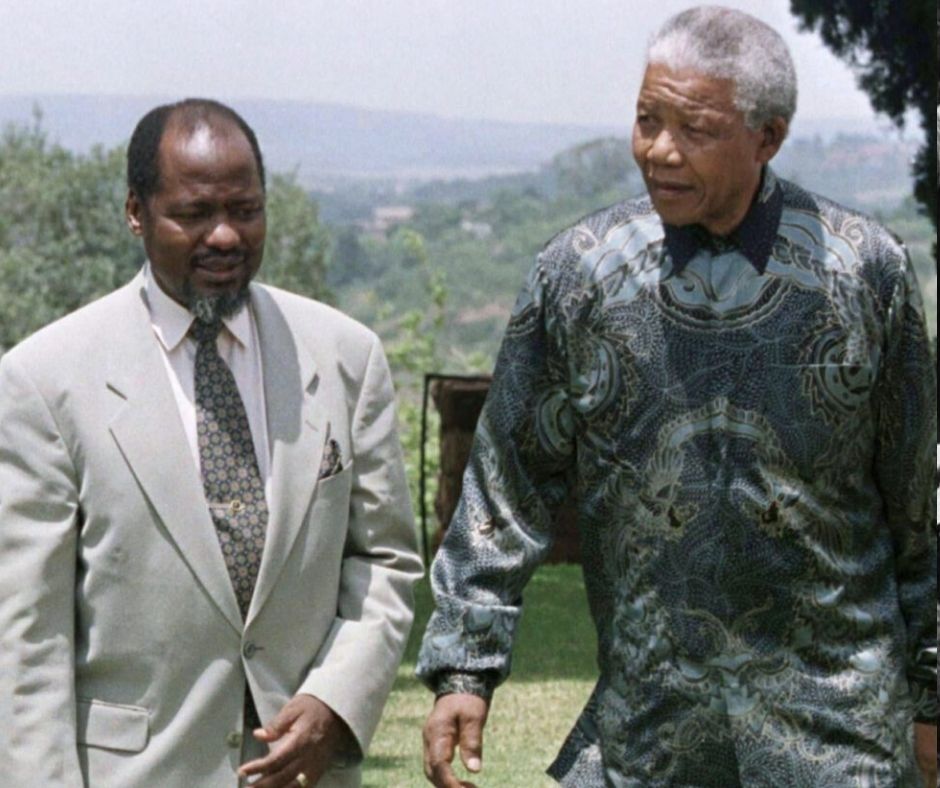
In the history of African struggle, there are countries whose independence is linked to a single leader, and others whose independence was the fruit of a long journey carried out by generations of fighters, Mozambique is one of the most prominent examples of this, as three of its greatest sons participated in shaping its modern history: Eduardo Mondlane, Samora Machel, and Joaquim Chissano, Each of them embodied a stage of the national movement, from armed struggle to achieving reconciliation and peace.
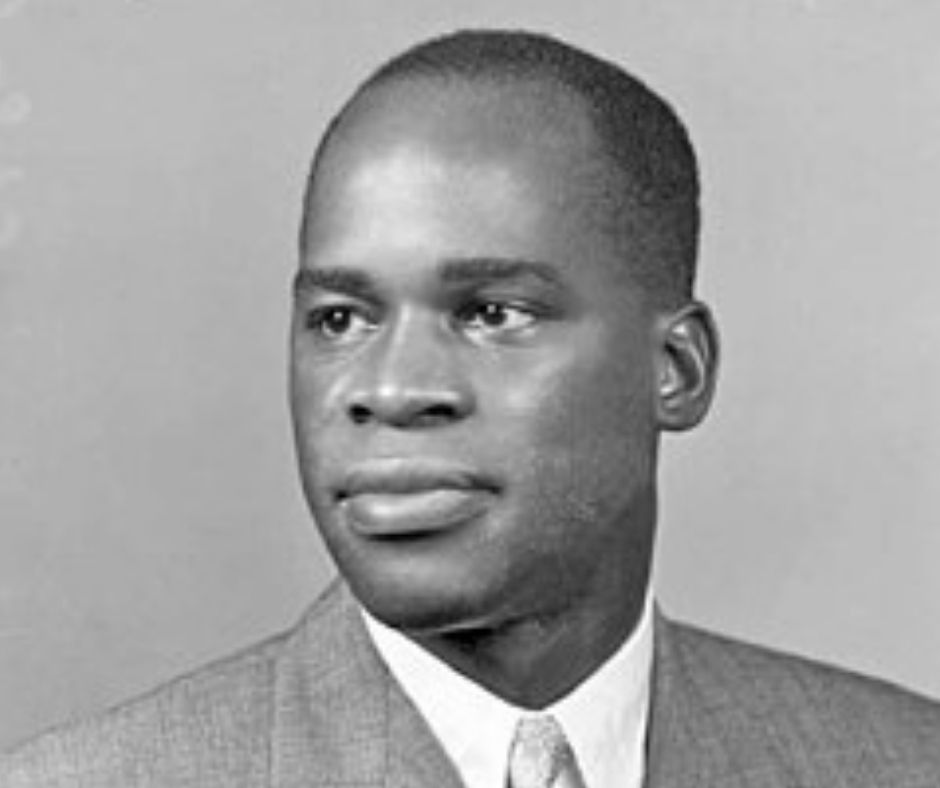
Mozambique was subjected to more than four centuries of Portuguese colonialism, which held onto its African colonies until a late date compared to the rest of the European powers, During the 1950s and 1960s, a new national movement began to take shape, influenced by the wave of liberation that swept across the African continent. At the forefront of this movement was the national thinker Eduardo Mondlane.
Mondlane believed that the people of Mozambique had the full right to determine their own destiny. He worked to unify the various nationalist movements under one banner. In 1962, he succeeded in establishing the Mozambique Liberation Front (FRELIMO), which became the comprehensive framework for the national struggle against Portuguese colonialism. From its inception, the movement enjoyed broad political and media support from independent African states.
Cairo was a capital of the African struggle and a platform for liberation issues. From Cairo to Dar es Salaam, Accra, and Algiers, the Mozambican cause found advocates in international forums. Cairo Radio, its newspapers, and its political platforms became an important window to convey the voice of the African fighters to the world.
But Mondlane did not live to see the dream of independence realized. In 1969, he was assassinated in an operation linked to Portuguese colonialism, becoming a national symbol and a martyr of African liberation. However, the project he launched did not stop with his departure; rather, it found those who would carry it forward to the battlefield.
At this point, the name of Samora Machel emerged, the charismatic military leader who took command of FRELIMO and led the war of liberation against the Portuguese forces. Machel was distinguished by his strong personality and his ability to mobilize the masses. He also built relationships with African leaders, foremost among them Julius Nyerere, Kenneth Kaunda, and Agostinho Neto.
During the years of armed struggle, Mozambique became part of the broader liberation front in Southern Africa, alongside Angola, Namibia, and Zimbabwe. Cairo closely followed these developments and continued its political support for liberation causes across the continent.
The historic moment came on June 25, 1975, when Mozambique declared its independence and raised its national flag for the first time after centuries of colonial rule. Samora Machel became the first president of the newly independent republic, in a scene that embodied the victory of the people’s will over colonialism.
However, independence was not the end of the road. The new state found itself in the midst of complex regional and international conflicts and entered a long civil war that drained the country’s resources and exhausted its people. The circumstances surrounding the plane crash that killed President Machel in 1986 remain a subject of debate to this day.
After his departure, responsibility passed to Joaquim Chissano, one of the men of the liberation generation and a founder of the modern Mozambican state. Chissano realized that the greatest victory that could be achieved for Mozambique was no longer military, but political and humanitarian, consisting of ending the war and rebuilding the nation. Therefore, he chose the path of dialogue and national reconciliation. After years of effort, he succeeded in reaching the historic peace agreement of 1992, which ended the civil war and opened the door to a new phase of stability and development. Mozambique became an example of the ability of African peoples to overcome conflicts and build a shared future.
Thus, the story of Mozambique was embodied in three men and three complementary stages. Eduardo Mondlane embodied the dream of freedom, Samora Machel embodied the battle of liberation, and Joaquim Chissano embodied the building of peace. Between these three, the story of a nation extends, moving from colonialism to independence, and from war to reconciliation.
This experience also reveals the historical role played by Cairo in supporting African liberation movements. Cairo was not merely a major Arab or African capital; it was an open house for African fighters, a platform for their causes, and a partner in a long struggle that ended with the liberation of most of the continent.
The story of Mozambique is not just the story of three leaders, but the story of a people who believed in their right to freedom and held onto their dream despite the sacrifices. It reminds us that great nations are not built by one individual, but by successive generations that carry the banner from one generation to the next until the national dream is achieved.
read more