Ambassador Dr. Mohamed Higazy writes in the flagship series “Cairo: Capital of the African Struggle”
Gamal Abdel Nasser… The Leader of a Revolution that Rebuilt Egypt and Shaped the Era of Arab and African Liberation

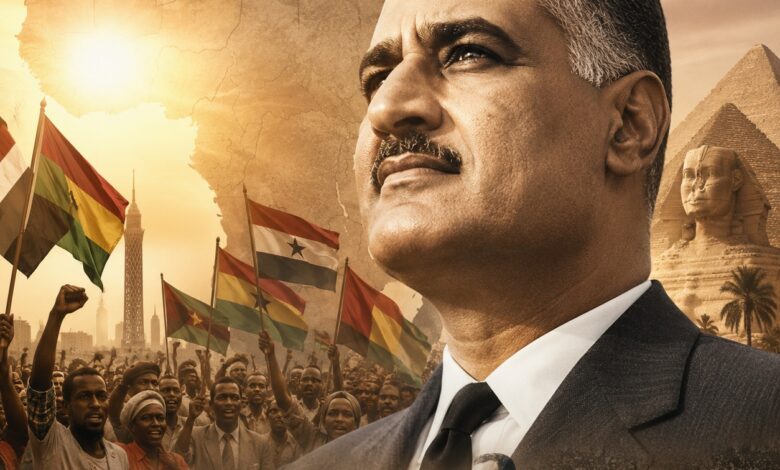
On the Seventy-Fourth Anniversary of the July 23 Revolution
There are leaders who shape great events, and there are leaders who shape entire eras, If the Revolution of 23 July 1952 represents the defining turning point in modern Egyptian history, then Gamal Abdel Nasser was the statesman whose influence extended far beyond Egypt’s borders, reshaping the balance of power across the Middle East, Africa, and the developing world.
He was not merely the leader of a revolution that overthrew the monarchy and proclaimed the Republic; he became one of the principal architects of a historic era marked by the collapse of colonial empires, the rise of national liberation movements, and the emergence of newly independent states seeking their place in a changing international order.
Seventy-four years after the Revolution, debate over the July experience and Nasser’s policies continues, as is natural for every major historical transformation. Yet what many historians broadly agree upon is that this period fundamentally transformed Egypt, consolidated the independence of its national decision-making, redefined its Arab and African role, and made Cairo one of the world’s most influential capitals throughout the 1950s and 1960s.
The July Revolution did not emerge in a vacuum. It was the response to a profound national crisis. Although Egypt had gained nominal independence in 1922, it remained subject to extensive British influence, British forces continued to occupy the Suez Canal Zone, while Egypt’s political and security decisions remained constrained by arrangements imposed under colonial domination.
Domestically, party politics suffered repeated crises, and a deep social divide separated a small landowning elite from the overwhelming majority of peasants and workers burdened by poverty and deprivation.
The 1948 Palestine War further exposed the weaknesses within the Egyptian state. Egyptian officers returned from the battlefield asking painful questions about the causes of defeat and the relationship between military failure and political dysfunction.
Among them was a thirty-year-old officer named Gamal Abdel Nasser, who emerged from the war convinced that the struggle to liberate Palestine had to begin with restoring Egypt’s own sovereign will. He believed that building an army capable of defending the nation required first building a modern state possessing full political and economic independence.
From this conviction emerged the Free Officers Movement, bringing together young officers who believed that reform from within the existing system had become impossible and that national change had become an urgent necessity. Their objective was not merely to abolish the monarchy but to rebuild the Egyptian state upon new foundations based on independence, social justice, and development.
In the early hours of 23 July 1952, the Free Officers launched their movement, taking control of key military installations. Major Mohamed Anwar El-Sadat delivered the Revolution’s first communiqué, announcing that the Armed Forces had intervened to rescue the nation from corruption. Within days, King Farouk abdicated and departed Egypt, opening a new chapter in the country’s history that culminated in the proclamation of the Republic in June 1953.
The Revolution’s true achievement, however, lay not simply in changing the head of state but in transforming Egypt from a semi-dependent country into a sovereign nation capable of making its own decisions.
The new leadership placed national sovereignty at the forefront of its priorities and embarked upon difficult negotiations with Britain, culminating in the 1954 Evacuation Agreement, which provided for the withdrawal of British forces from the Suez Canal Zone, ending more than seventy years of military presence.
The evacuation represented far more than a political agreement; it declared that Egypt had regained its national sovereignty and that the Revolution had fulfilled one of the principal aspirations of the national movement since the Revolution of 1919. Only two years later came the decision that would permanently redefine Egypt’s international standing.
On 26 July 1956, Gamal Abdel Nasser announced the nationalization of the Suez Canal Company in a speech that remains one of the most celebrated political addresses of the twentieth century.
Nationalization was both a sovereign and strategic decision, intended to finance the construction of the Aswan High Dam after the United States, Britain, and the World Bank withdrew their funding offers.
At the same time, it carried a clear political message: Egypt would no longer accept foreign control over its strategic resources. The response came swiftly in the form of the Anglo-French-Israeli Tripartite Aggression, aimed at overthrowing the new regime and regaining control of the Canal.
Yet the resilience of the Egyptian people, the determination of the Armed Forces, and international pressure—particularly from the United States and the Soviet Union—compelled the invading forces to withdraw.
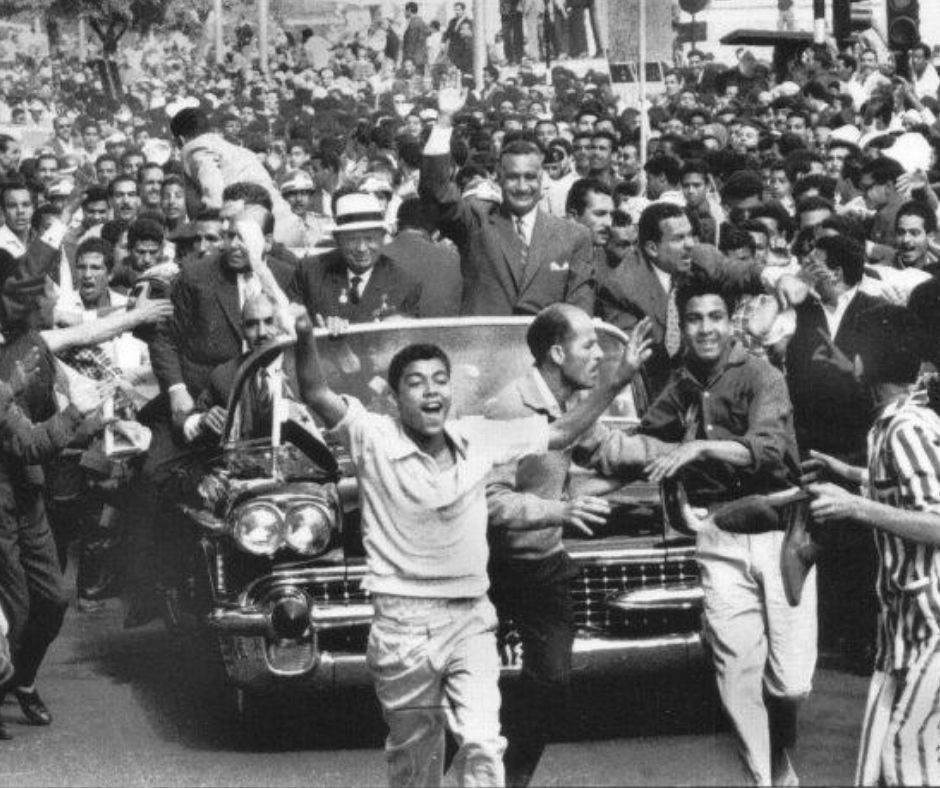
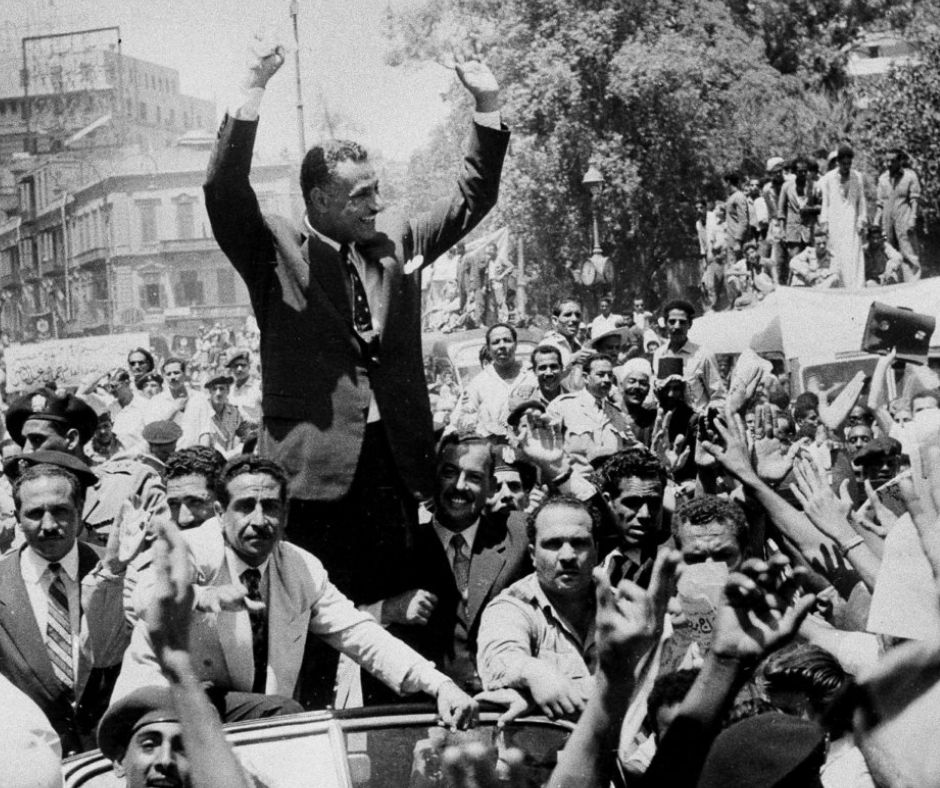
Egypt emerged from the crisis stronger and more influential than ever. From that moment onward, Gamal Abdel Nasser was no longer simply Egypt’s leader; he became a global symbol of anti-colonial resistance and an inspiration to dozens of nations struggling for independence.
African liberation movements quickly recognized that the victory at Suez was not merely Egypt’s triumph but a victory for the very principle of national independence.
Cairo became the destination of African nationalist leaders and a center for political coordination, military training, media outreach, and diplomatic support. It was no coincidence that many African liberation leaders came to describe Cairo as “the Capital of the African Revolution,” for the city embraced their causes and provided both political leadership and practical assistance during the most difficult phases of their struggles.
From that point onward, Egypt’s role expanded beyond the Arab world to become a comprehensive African project. Gamal Abdel Nasser emerged as one of its principal architects, establishing a foreign policy that linked Egypt’s national security with Africa’s independence and the right of its peoples to self-determination.
This vision would make Cairo, throughout the 1960s, one of the most important political capitals of the developing world and a leading partner in the making of an independent Africa.
read more