Episode Eight: The Congo Crisis and the Clash Between Independence and the Cold War .. Patrice Lumumba: Martyr of African Independence

By Ambassador Dr Mohamed Higazy, Former Assistant Foreign Minister for African Affairs
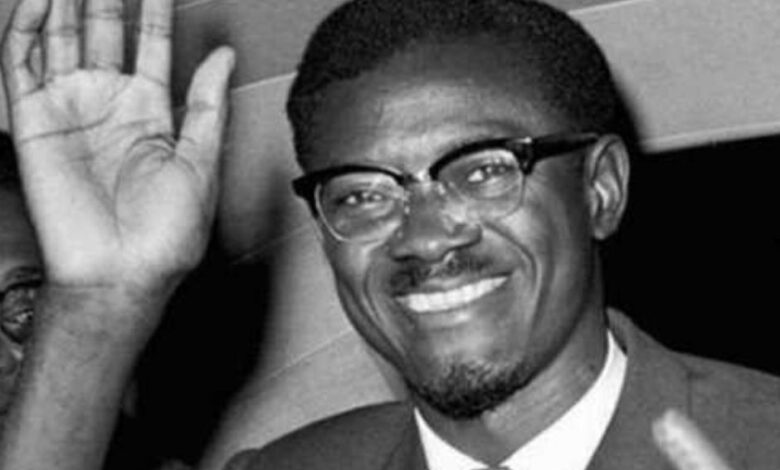
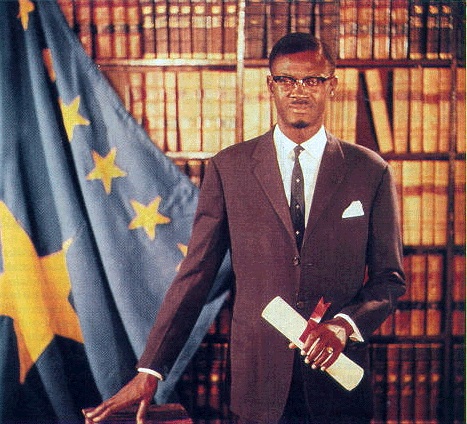
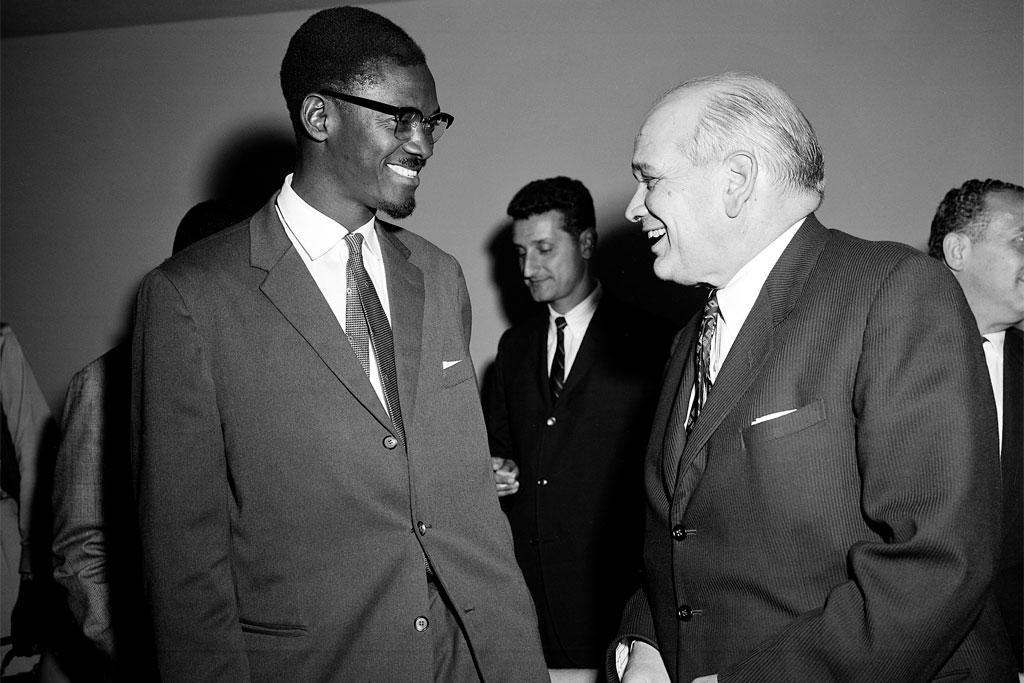
July 1, 1960, marked the birth of a new state in the heart of Africa: the independent Republic of the Congo , After decades of Belgian colonial rule, the country emerged as a vast territory rich in natural resources but lacking the institutional foundations necessary to manage the challenges of independence. At the center of this historic moment stood a young nationalist leader, Patrice Lumumba, who would become one of Africa’s most enduring symbols of the struggle against colonialism and foreign domination.
Lumumba was not merely the first Prime Minister of the independent Congo, He represented a new generation of African leaders who believed in complete national sovereignty and genuine liberation from external control.
His famous speech during the independence celebrations, delivered in the presence of the Belgian King, shocked Western capitals by openly condemning the injustices and abuses of colonial rule.
In doing so, he gave voice to the aspirations of millions of Africans seeking freedom, dignity, and true independence.
Yet Congo’s independence came at the height of the Cold War, transforming the newly born state into an arena of international rivalry.
The mineral-rich province of Katanga witnessed a secessionist movement supported by foreign interests, while the United Nations and major world powers became deeply involved in the crisis.
Lumumba’s government came under immense pressure, ultimately leading to his removal from office, arrest, and assassination in January 1961, in one of the most controversial episodes in modern African history.
Lumumba’s assassination marked a turning point in African political consciousness.
He became a symbol of national sacrifice and resistance to foreign interference, His name came to embody the struggle for independence and African unity, standing alongside the continent’s greatest liberation heroes.
Egypt, under the leadership of President Gamal Abdel Nasser, followed developments in the Congo with great concern, driven by its unwavering commitment to supporting African liberation movements.
Cairo strongly defended the Congolese people’s right to preserve their unity and sovereignty.
Egypt also played an active role within the United Nations and the Non-Aligned Movement, advocating for the independence of emerging African states and rejecting external intervention in their domestic affairs.
Lumumba’s experience revealed the immense challenges confronting African nations after independence.
The struggle was not only against colonialism but also for state-building and the preservation of national sovereignty amid intense global polarization.
For this reason, Lumumba remains deeply embedded in Africa’s collective memory as one of the founding fathers of the continent’s political liberation and a lasting symbol of sacrifice in the cause of freedom.
Born in the Belgian Congo under a harsh colonial regime, Lumumba witnessed firsthand the contradiction between his country’s immense wealth and the poverty of its people.
As the wave of African nationalism gathered momentum during the 1950s, he emerged as one of its most eloquent voices, championing complete independence and genuine national sovereignty.
When the Congo gained independence in 1960, he became Prime Minister and the face of a new Africa seeking liberation not only from colonial rule but also from all forms of external domination.
However, the newly independent Congo soon became the focal point of a fierce international struggle.
Its vast mineral wealth and strategic location made it a prize in the geopolitical contest of the Cold War.
When Lumumba delivered his historic independence speech criticizing Belgian colonial practices, many international actors realized that he was not prepared to settle for symbolic independence. He sought instead to build a truly sovereign state capable of making its own decisions.
President Gamal Abdel Nasser viewed the crisis in the Congo as part of his broader struggle for African independence and unity.
Egypt therefore supported the Congo politically and diplomatically, defending its territorial integrity and standing firmly alongside national forces opposing secession and foreign intervention.
The conspiracies directed against Lumumba eventually culminated in his arrest and assassination in January 1961. Yet the campaign against him did not end with his death.
His family also became vulnerable to persecution and intimidation amid the turmoil that followed.
At this critical moment, an important humanitarian and political dimension of Egypt’s role emerged.
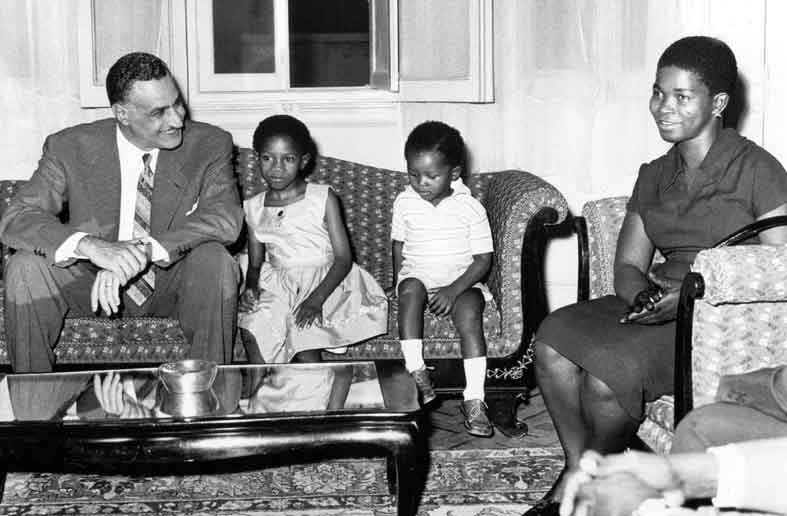
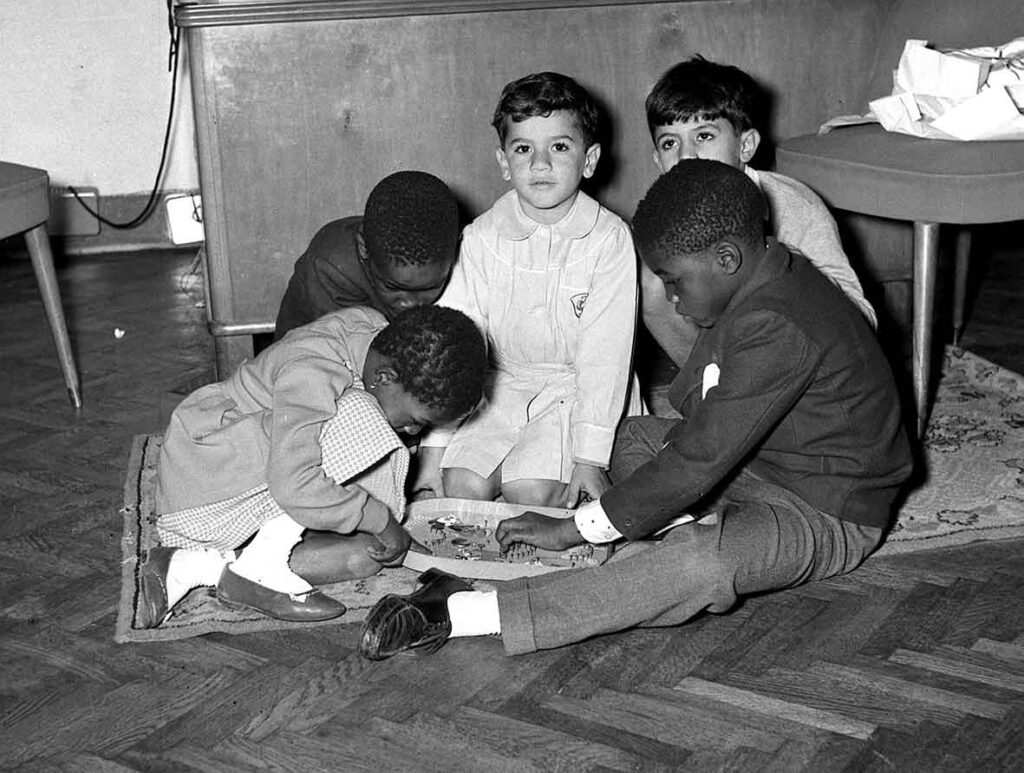
Acting on direct instructions from President Nasser, Cairo moved to provide protection for members of Lumumba’s family and helped them escape the dangers they faced after his assassination.
Egypt welcomed them and extended care and support, reflecting not only loyalty to a fallen African leader but also a broader Egyptian commitment to the causes and heroes of African liberation.
Nasser understood that Lumumba’s assassination was not merely a domestic Congolese affair.
It was a message directed at all African nationalist movements striving for genuine independence.
Supporting Lumumba’s family therefore became part of a larger effort to preserve African historical memory and defend the right of nations to honor their heroes and safeguard their legacy.
Over time, Lumumba became an enduring icon, The man whom powerful forces sought to erase from political history was transformed into one of Africa’s greatest symbols of liberation.
His name continues to be invoked whenever questions of sovereignty, independence, and resistance to foreign intervention arise.
Meanwhile, the survival and resilience of his family remain a testament to a period in which Egypt’s role transcended political solidarity and extended into moral and humanitarian responsibility toward the peoples of Africa.
Today, more than six decades after his death, Patrice Lumumba remains a powerful presence in African consciousness as a martyr of true independence.
Likewise, Egypt’s position under Gamal Abdel Nasser stands as one of the most significant examples of African solidarity during an era when struggles for freedom and sovereignty stretched across the continent from ocean to ocean.
Lumumba may have been assassinated physically, but the ideals he embodied survived.
The story of his family’s rescue serves as a reminder that the bonds connecting Africa’s liberation leaders were not merely political alliances; they reflected a shared belief in a common African destiny and in the right of the continent’s peoples to freedom, dignity, and independence.
A Photograph That Defies Time
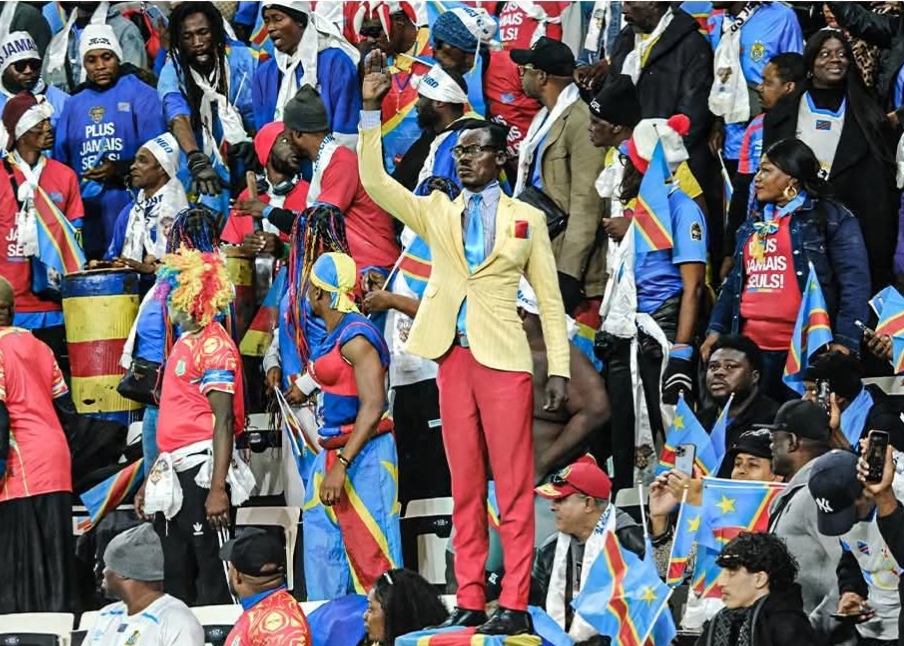
I conclude this chapter on Lumumba with a powerful and deeply symbolic scene.
During the most recent Africa Cup of Nations in Morocco, amid thousands of cheering, singing, and celebrating football fans, a lone Congolese supporter stood motionless throughout the entire match.
He was not performing for attention, nor was he seeking fame. Rather, he was evoking the memory of a nation.
His name is Michel Kuka Mboladinga, known among supporters simply as “Lumumba.” Throughout the match, he embodied the image of the late Congolese leader Patrice Lumumba, standing with his right arm raised in the same posture depicted by Lumumba’s statue in Kinshasa.
His appearance became one of the most memorable images of the tournament and a powerful symbol of Lumumba’s enduring place in the hearts of the Congolese people.
The message was directed not only to the players on the field but to Africa as a whole: the man assassinated in 1961 remains alive in the memory of his people. More than sixty years after his death, Lumumba is no longer merely a figure in a history book.
He has become part of the Congolese national identity and an enduring symbol of independence, sovereignty, and African dignity.
Perhaps this image encapsulates Lumumba’s entire story, His enemies sought to erase him from history, yet he reappeared in the stands of a football stadium, in the imagination of a new generation, and in the collective memory of a nation that refuses to forget one of its greatest martyrs.
Equally inspiring was the decision of the Algerian government, following the tournament, to invite Michel Kuka Mboladinga to Algeria and honor him publicly.
This gesture carried profound symbolic significance, demonstrating how the legacy of African liberation heroes continues to resonate across borders.
Indeed, many lessons can be drawn from the Congolese struggle, Above all, it reminds us that peoples never forget those who served them with sincerity and sacrifice.
Time may pass, generations may change, but nations ultimately remember their most devoted sons and daughters—and honor them accordingly.
read more
South Africa and Cairo .. Combating Apartheid and Building International Solidarity