Africa Business Council Strengthens West Africa Partnership .. Amany Asfour Invites FEWACCI to Egypt’s Alamein Business Summit 2026

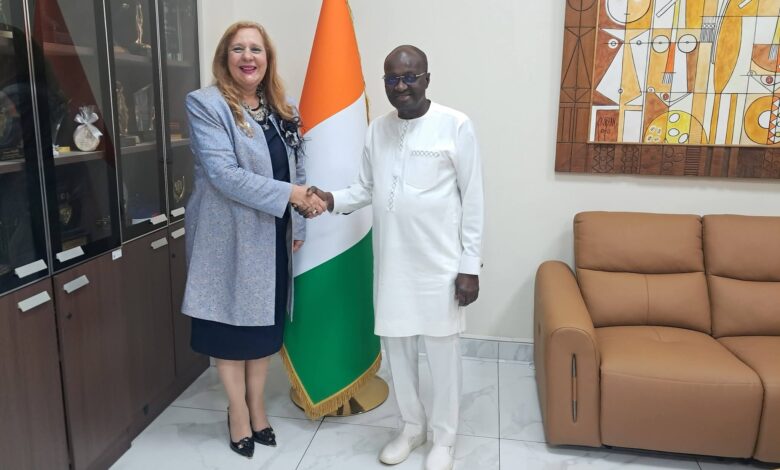
Dr. Amany Asfour, President of the Africa Business Council (AfBC), paid a courtesy visit to Mr. Faman Touré, President of the Federation of West African Chambers of Commerce and Industry (FEWACCI), in Abidjan, reaffirming the commitment of both organizations to deepen cooperation in support of Africa’s private sector, regional economic integration, investment promotion, and the effective implementation of the African Continental Free Trade Area (AfCFTA).
The high-level meeting underscored the growing partnership between AfBC and FEWACCI, with both institutions emphasizing the importance of stronger collaboration to accelerate sustainable economic development across the African continent through private sector leadership.
AfBC Invites FEWACCI to Alamein Business Summit and AU Mid-Year Coordination Events
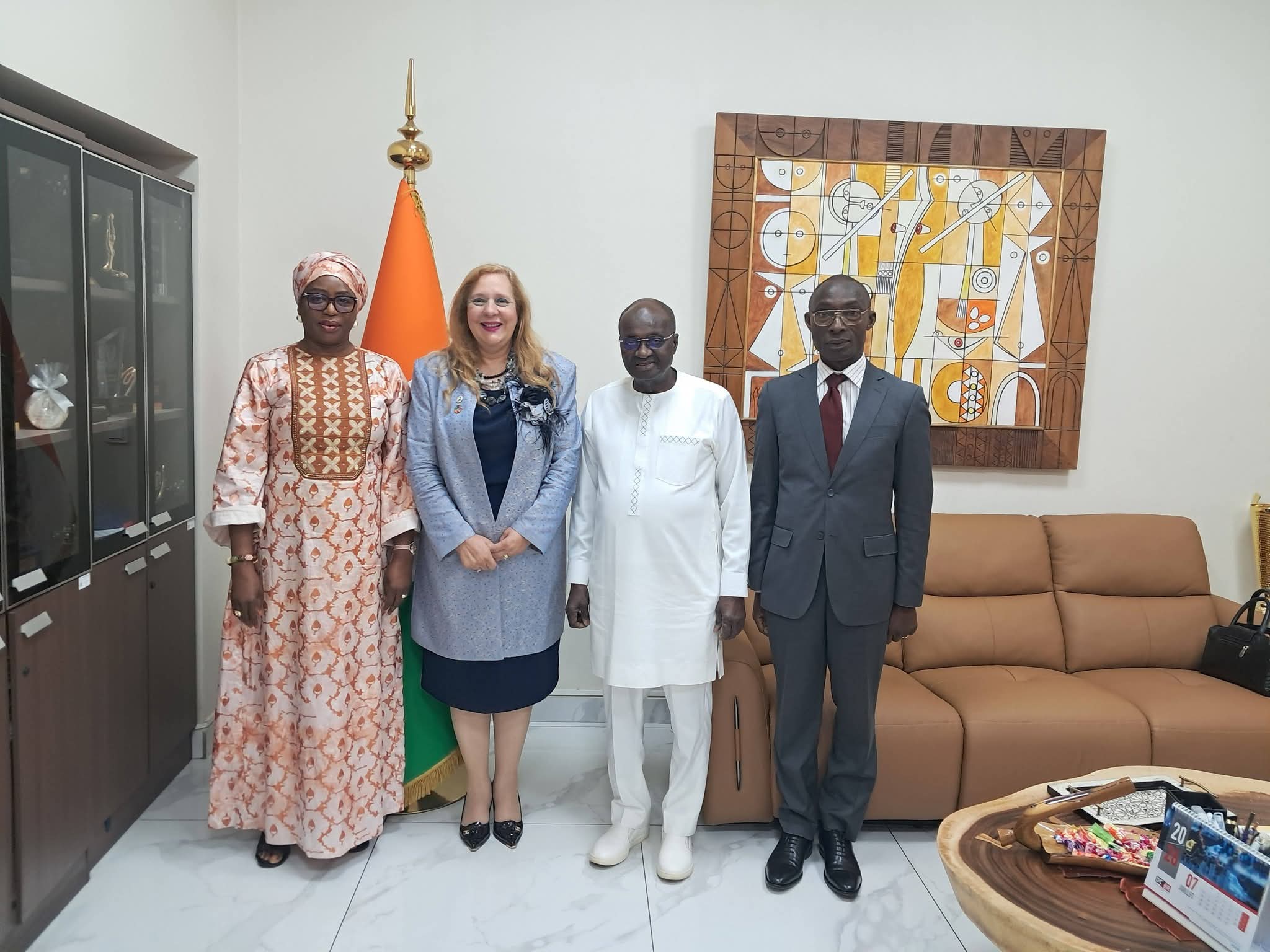
During the discussions, Dr. Asfour formally invited FEWACCI President Mr. Faman Touré to participate in the upcoming Africa Business Council events, which will be held on the sidelines of the African Union Mid-Year Coordination Summit and the Alamein Business Summit in Al Alamein, Egypt, from 1 to 4 October 2026.
She also extended an invitation to participate in CAMRED – The Congress for Minerals Resources Development, Critical Minerals and Energy Development, scheduled to take place in Cairo, Egypt, from 5 to 7 October 2026.
The events are expected to bring together African policymakers, business leaders, investors, and development partners to discuss strategies for boosting trade, investment, industrialization, and sustainable economic growth across Africa.
FEWACCI Offered Leadership Role Within Africa Business Council
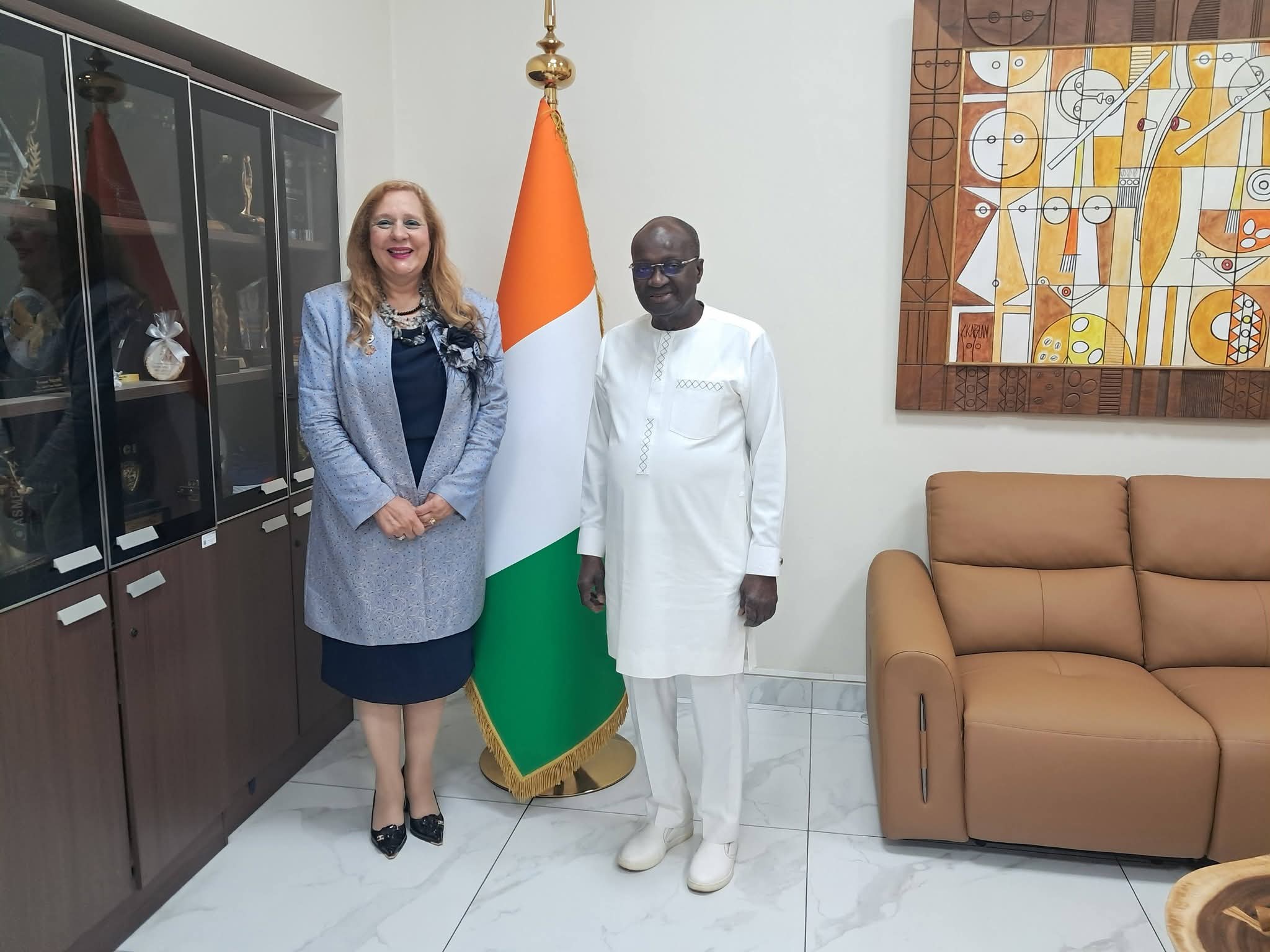
As part of efforts to strengthen institutional cooperation, Dr. Asfour offered FEWACCI the opportunity to lead one of the Africa Business Council’s strategic sectoral clusters.
The proposal reflects AfBC’s recognition of FEWACCI’s leadership and its pivotal role in representing the organized private sector throughout West Africa, while reinforcing collaboration between continental and regional business organizations.
Both leaders reaffirmed their determination to expand the strategic partnership between AfBC and FEWACCI and to work jointly toward advancing Africa’s economic transformation, promoting regional integration, and supporting private sector-led growth.
Dr. Amany Asfour Highlights Financing for Industrialization at African Union High-Level Panel
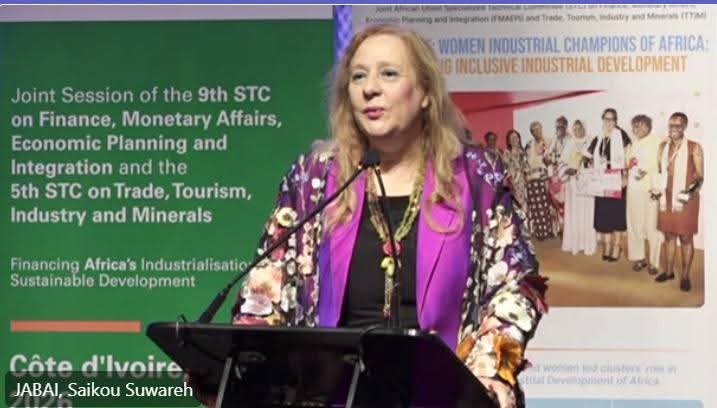
Earlier in Abidjan, Dr. Amany Asfour delivered the opening remarks during the High-Level Panel of African Women in Processing (AWIP), held as part of the Joint Session of the 9th Specialized Technical Committee (STC) on Finance, Monetary Affairs, Economic Planning and Integration and the 5th STC on Trade, Tourism, Industry and Minerals.
The session was organized by the African Union Commission (AUC) in partnership with the United Nations Industrial Development Organization (UNIDO) under the theme:
“Financing Africa’s Industrialization for Sustainable Development
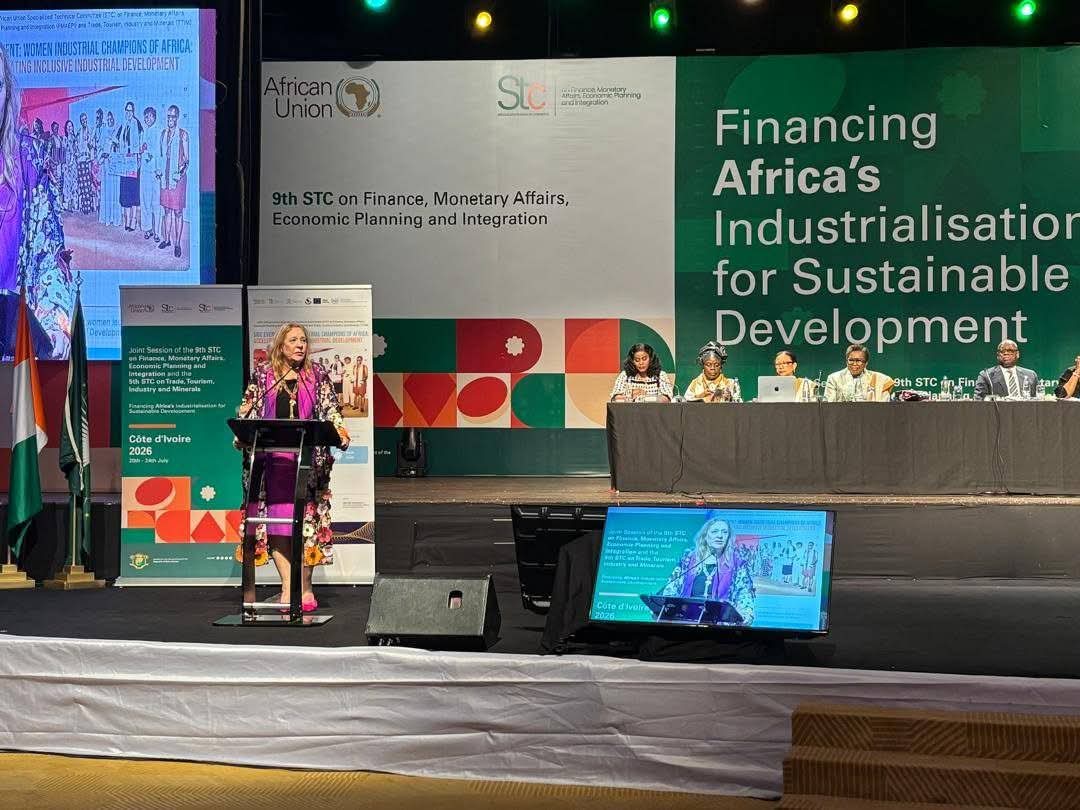
The panel highlighted the importance of promoting women-led participation in processing industries, value addition, beneficiation, and manufacturing as essential drivers of Africa’s industrial transformation and sustainable development.
During her address, Dr. Asfour emphasized the Africa Business Council’s continued advocacy for government procurement policies that allocate 30 percent of public procurement contracts to small and medium-sized enterprises (SMEs), women-led businesses, and youth-led enterprises.
She noted that this recommendation aligns with the outcomes of the African Union Private Sector Forum, which called for 40 percent of government procurement to be awarded to the African private sector, including SMEs as well as women- and youth-led businesses.
According to Dr. Asfour, the recommendation has already been adopted by African Ministers of Finance and Planning, representing a significant step toward empowering African entrepreneurs, strengthening local industries, expanding inclusive economic participation, and accelerating sustainable industrial development across the continent.
read more