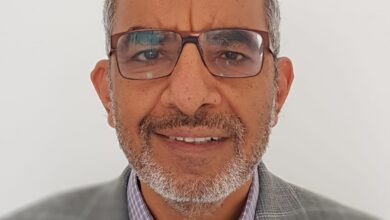
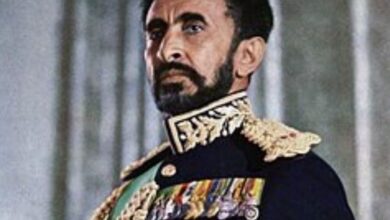
Ambassador Dr. Mohamed Hegazy writes: From Bandung to Belgrade… How did Gamal Abdel Nasser become the voice of the Third World?

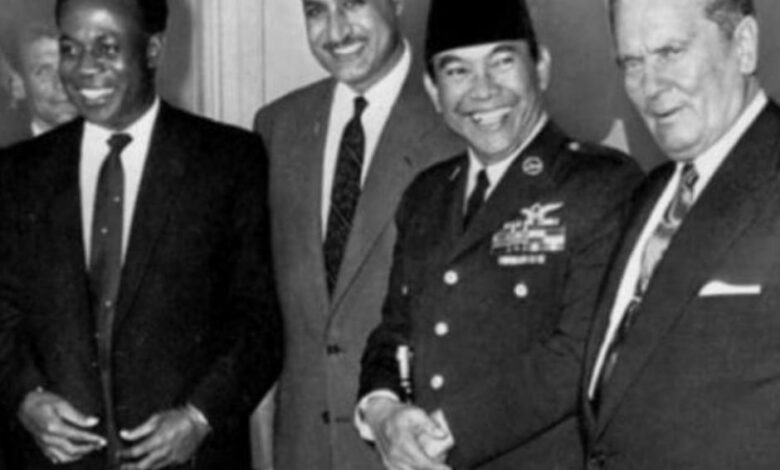
The influence of Gamal Abdel Nasser was not limited to Egypt, the Arab world, or Africa, but extended to the international system itself at a time when humanity was living through one of its most turbulent phases, After the end of World War II, the world was divided into two competing camps: the United States leading the Western bloc, and the Soviet Union leading the Eastern bloc, Meanwhile, dozens of newly independent Asian and African countries found themselves facing a fateful question: should they join one of the two camps, or seek a third path that preserves the independence of their national decision-making?
Nasser was among the first leaders to realize that political independence is incomplete if national decisions become hostage to international polarization, Hence came his participation in the Bandung Conference in Indonesia in 1955, which brought together twenty-nine Asian and African countries in the first broad gathering of nations emerging from colonialism.
The conference was not merely a diplomatic gathering, but a declaration of the birth of a new political force representing the peoples of the South, demanding more just international relations, respect for sovereignty, and rejection of colonialism and racism.
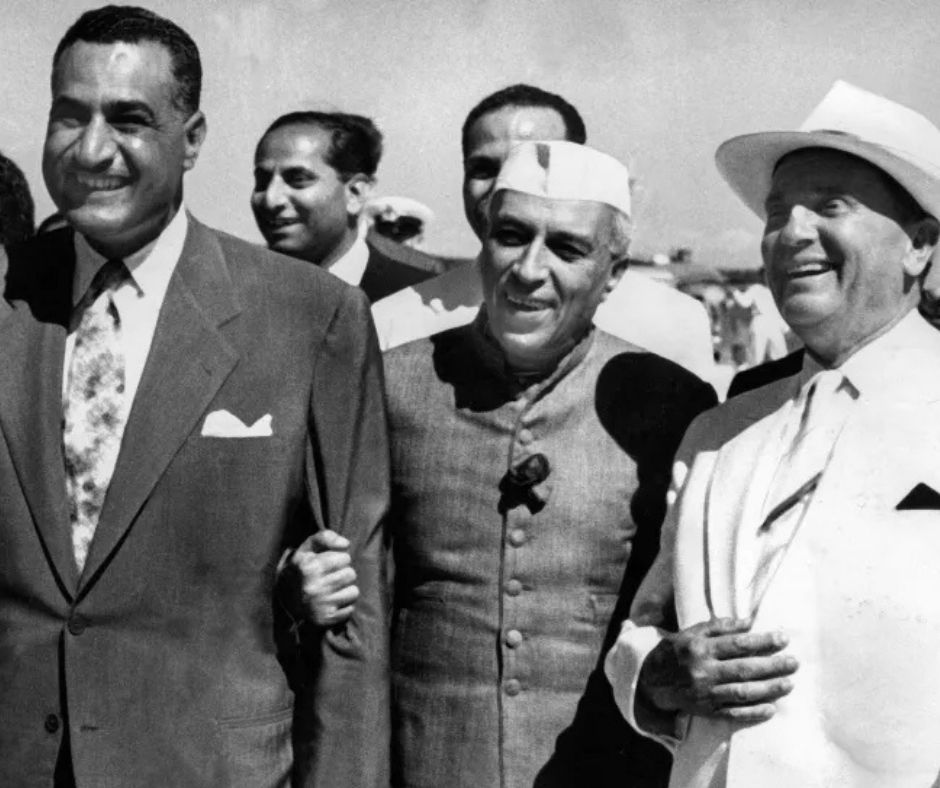
In Bandung, Nasser forged close ties with Jawaharlal Nehru, Ahmed Sukarno, Josip Broz Tito, Kwame Nkrumah, and other leaders who believed that the world should not remain captive to the conflict of the two superpowers, This meeting formed the intellectual and political foundation for what would later be known as the Non-Aligned Movement.
When the Belgrade Conference convened in 1961, the movement had transformed into an organized international framework, encompassing dozens of countries that chose non-alignment with either bloc while retaining their right to establish balanced relations with all , Gamal Abdel Nasser was one of the movement’s most prominent founders, alongside Nehru, Tito, Sukarno, and Ghanaian President Kwame Nkrumah.
The idea of non-alignment was not passive neutrality, as some imagined it, but rather an expression of the independence of national will , The movement defended the right of states to freely choose their political and economic models, rejected interference in their internal affairs, supported national liberation causes in Asia, Africa, and Latin America, and called for reforming the international economic system to achieve greater justice for developing countries.
During that period, Cairo became a major hub for international summits, hosting presidents, kings, and leaders from various continents, Egyptian diplomacy also played an influential role within the United Nations, at disarmament conferences, in discussions on decolonization, and on African and Arab issues.
The Suez Crisis of 1956 was a turning point in Nasser’s international standing, It demonstrated that a developing country could defend its sovereignty in the face of three major military powers, and it highlighted that the international system would no longer easily permit the reproduction of traditional colonial control, From that date onward, Nasser’s name became present in most discussions concerning the future of the developing world, and Cairo became associated with the role of mediator and supporter of independence causes.
At the United Nations, Egypt stood alongside the right of peoples to self-determination, supported the independence of Algeria, Congo, Angola, Mozambique, Guinea-Bissau, and other countries, and actively participated in UN peacekeeping operations, especially in the Congo, as part of its commitment to supporting the stability of newly independent African states.
Although Egypt established close relations with the Soviet Union in the fields of armament and development, Nasser was careful not to turn this relationship into political dependency, and he continued to communicate with Western countries whenever national interests required it.
This policy reflected a vision based on diversifying international partnerships to ensure the independence of Egyptian decision-making—a vision that remains one of the fundamental principles of Egyptian diplomacy.
Over time, the Non-Aligned Movement came to represent the majority of UN member states, contributed to strengthening the voice of developing countries within international institutions, played a role in supporting development causes, opposing apartheid, defending the legitimate rights of the Palestinian people, and consolidating the concept of equality among states, regardless of their size or military power.
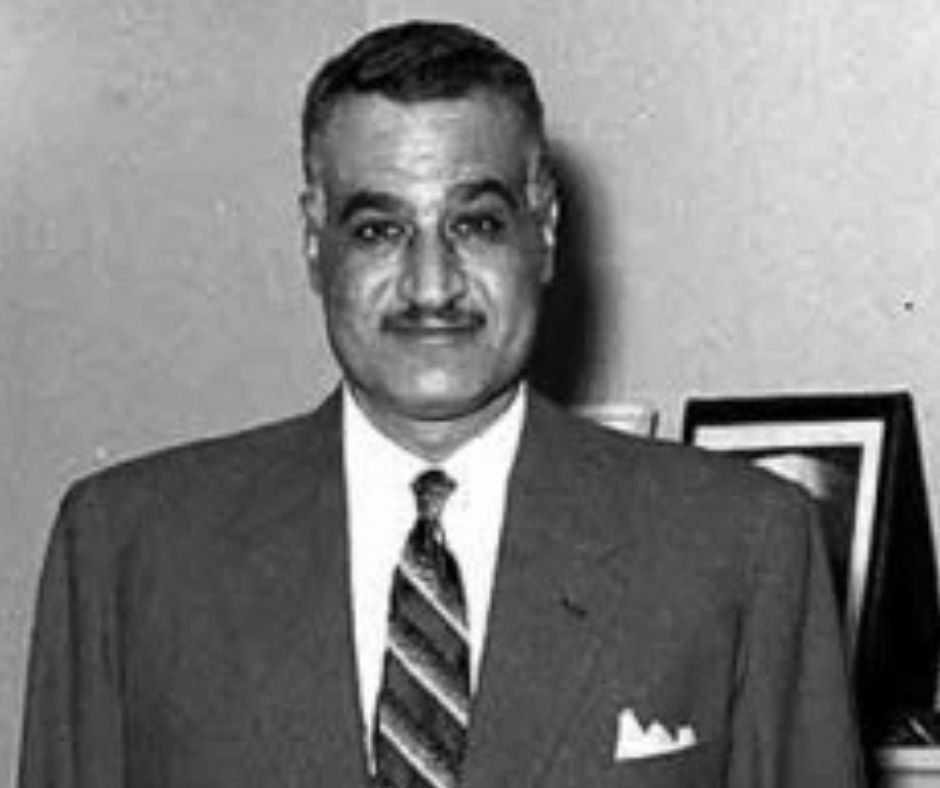
Gamal Abdel Nasser realized that the liberation struggle does not end with the withdrawal of the last foreign soldier, but rather begins afterward with the struggle to build the independent state, protect national decision-making, and achieve development. Thus, his name became associated not only with Egypt’s independence but also with redefining the place of the developing world in international politics.
In this way, Nasser was not merely the President of the Arab Republic of Egypt, but became one of the most prominent figures of the twentieth century and a leader who contributed to formulating a new discourse for international relations based on respect for sovereignty, support for peoples’ right to freedom, and rejection of hegemony and polarization .
From Cairo, which became a meeting point for leaders from Asia, Africa, and Latin America during that era, a new vision for the world was launched, many of whose principles remain present in international policies today.
read more
Ambassador Dr. Mohamed Higazy writes in the flagship series “Cairo: Capital of the African Struggle”