By Ambassador Dr Mohamed Higazy, Former Assistant Foreign Minister for African Affairs
The Algerian Revolution was never merely a domestic uprising confined within Algeria’s borders. From its outbreak in 1954, it became an African cause par excellence, testing the continent’s capacity for solidarity and testing Cairo’s vision of its own continental role, At this historical moment, the Algerian Revolution converged with Egypt’s anti-colonial experience, transforming this convergence into a full-fledged liberation partnership that made Cairo a principal rear base for one of Africa’s fiercest wars of independence.
Egypt’s support for the Algerian Revolution was fully consistent with the political doctrine adopted after the July Revolution and led by Gamal Abdel Nasser: the belief that the struggle for liberation was indivisible, and that the fall of colonialism anywhere in Africa brought the entire continent closer to freedom. From this perspective, Cairo did not treat Algeria as a foreign policy issue, but as part of a shared destiny.
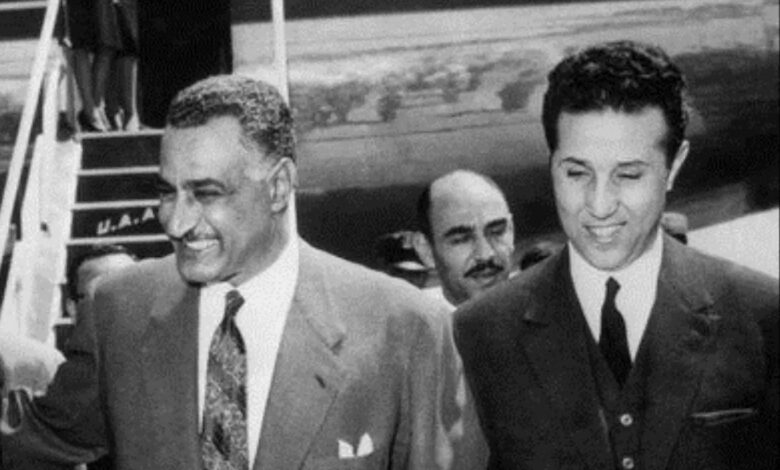
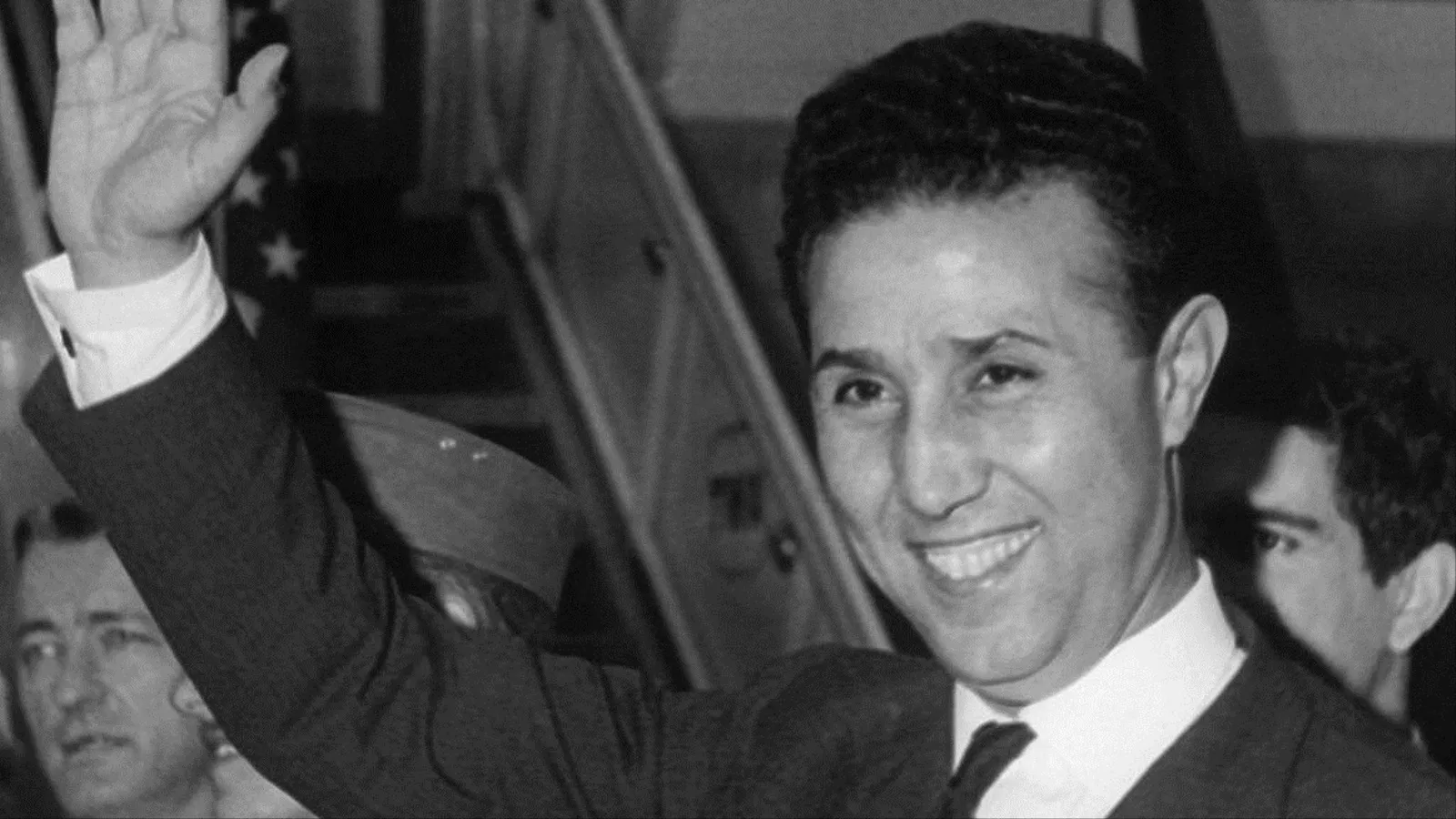
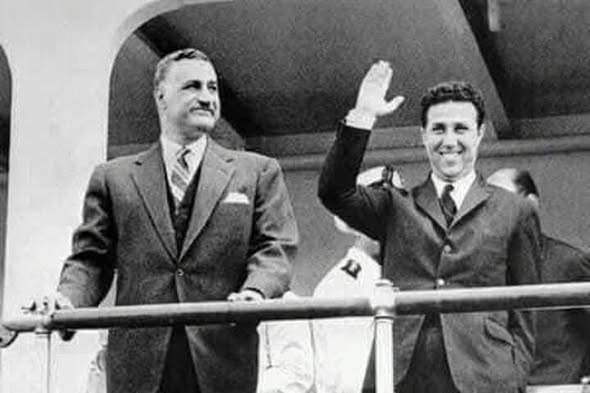
Cairo opened its doors to leaders of the Algerian National Liberation Front, foremost among them Ahmed Ben Bella, and became a political, media, and diplomatic center for the revolution. From Cairo, the Algerian cause was introduced to international forums, and the conflict was internationalized as a legitimate anti-colonial struggle rather than the “internal French affair” Paris sought to portray.
Egyptian support extended beyond diplomacy and media into practical and organizational assistance within a broader Afro-Arab solidarity network. Cairo understood that the success of the Algerian Revolution would deal a decisive blow to the remnants of colonialism in North and West Africa and send a powerful message to African peoples that independence was possible regardless of the sacrifices required.
At that stage, Cairo became the voice of Algeria just as it had become the voice of Africa. Through media, diplomatic outreach, and Egypt’s relationships with African liberation leaders, the Algerian cause evolved into an African and international public issue. This transformation was not easy; it faced political pressure and direct threats. Yet Cairo persisted, recognizing that retreat in such moments would undermine the very principle of continental solidarity.
The partnership between Cairo and Algeria represented a rare model in African liberation history, where a newly independent state transcended narrow calculations and placed its political weight behind a revolution that had not yet achieved independence. This support strengthened the legitimacy of the National Liberation Front and weakened France’s ability to isolate or discredit the revolution.
When Algeria achieved independence in 1962, the relationship did not end. It became a cornerstone of Algeria’s subsequent role in Africa and in supporting the development of the Organization of African Unity. Thus, the Cairo-Algeria relationship was not circumstantial, but foundational in shaping modern African political consciousness.
Revisiting this chapter today carries special significance. It reminds us that Cairo was not the capital of African struggle through rhetoric alone, but through action, risk-taking, and willingness to bear costs. Two revolutions met, shared danger and hope, and together helped reshape the destiny of a continent.
read more