By Ambassador Dr Mohamed Higazy, Former Assistant Foreign Minister for African Affairs
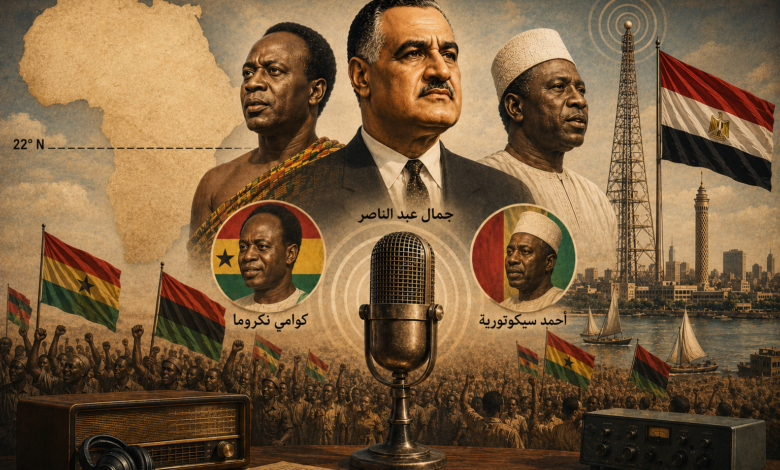
In struggles for national liberation, moral weapons are no less powerful than military ones, and words can be as dangerous as bullets, Cairo understood this reality early, Alongside hosting African liberation leaders and providing them with political and organizational platforms, Egypt employed media as a strategic instrument in the battle for consciousness and freedom, At the center of this role stood “Voice of Africa” radio, one of the most influential peaceful weapons against colonialism on the African continent.
The establishment of “Voice of Africa” emerged within a comprehensive vision developed under Gamal Abdel Nasser, based on the belief that colonialism ruled not only through military force, but also through monopolizing narratives, distorting awareness, and imposing a discourse of defeat. Breaking this monopoly became a central objective, no less important than political, diplomatic, or logistical support.
Broadcasting from Cairo in multiple African languages, “Voice of Africa” reached peoples still living under colonial rule across West, East, and Southern Africa. The station was not merely a news outlet, but a liberation platform offering an alternative discourse that instilled confidence, restored faith in independence, and broke the isolation imposed on liberation movements by colonial powers.
Through these broadcasts, Africans heard the voices of their leaders, learned from the liberation experiences of other peoples, and discovered that their struggles were not isolated, but part of a broader continental movement. The message was clear: colonialism was not destiny, liberation was achievable, and African solidarity was a tangible reality—not an emotional slogan.
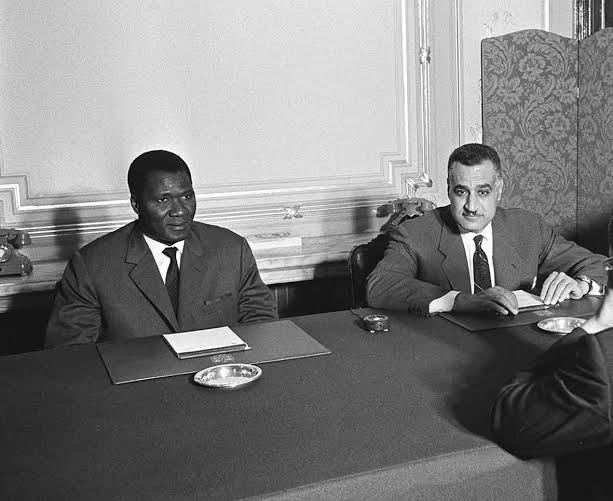
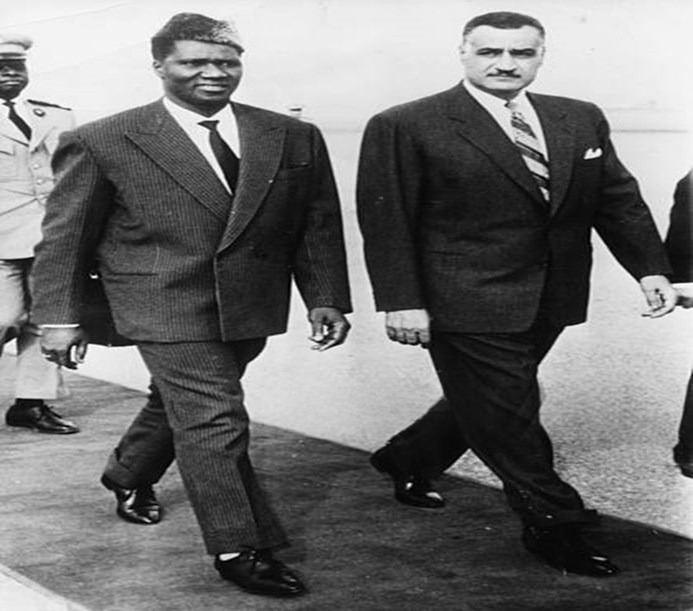
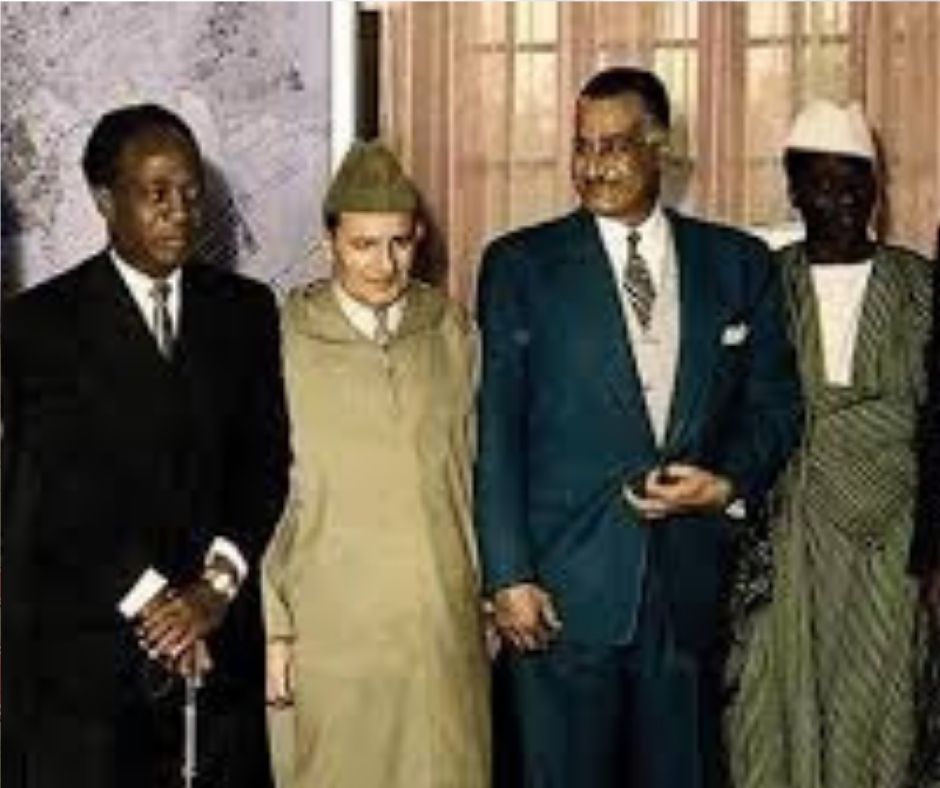
This media role was inseparable from Cairo’s relationships with African liberation figures such as Kwame Nkrumah and Ahmed Sékou Touré, who recognized the value of media in building national consciousness. Cairo became the bridge between these leaders and African audiences, transforming political messages into transnational popular discourse.
Colonial powers viewed “Voice of Africa” with deep concern, considering it an instrument of incitement threatening their moral as well as political control. Their fears were not unfounded. The station helped break barriers of fear, exposed colonial practices, and reinforced the legitimacy of liberation movements in African public opinion. In this sense, media evolved from a communication tool into a strategic battleground.
The experience of “Voice of Africa” holds special significance because it reflected Egypt’s early understanding of what would later be called “soft power.” Egypt used its voice and media capabilities to support African independence without imposing tutelage or demanding direct political returns, thereby earning broad credibility in African consciousness.
Today, amid the rise of information warfare and media disinformation, the experience of “Voice of Africa” appears more relevant than ever. It reminds us that the battle for awareness is no less critical than military struggle, and that Cairo—by transforming media into a tool of liberation—helped shape an essential component of modern African political consciousness, cementing its position as a capital of struggle through the power of the free word.
read more
Ahmed Sékou Touré and Guinea .. Difficult Independence and Egyptian Support ” 3 “