An Urgent Humanitarian Appeal to International Humanitarian Organizations and Civil Society Worldwide: Do Not Leave the Sudanese People to Face Death by Starvation

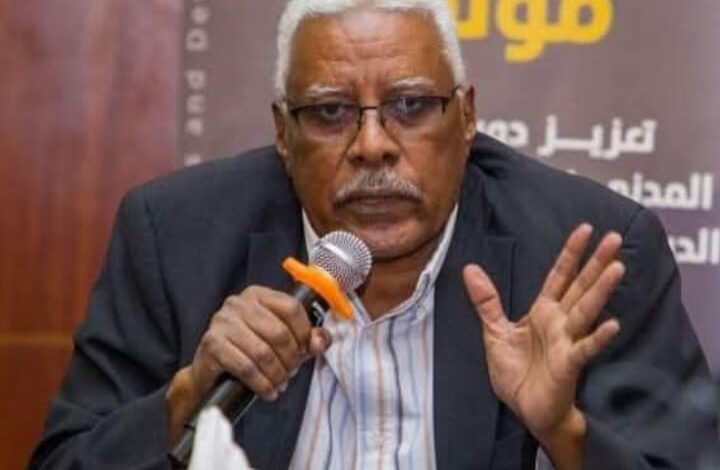
Professor Hassan Bashir Mohamed Nour
The Sudanese crisis is no longer merely a military conflict or a struggle for power and influence. It has evolved into one of the world’s most devastating humanitarian and economic catastrophes, Millions of Sudanese people are facing a direct threat to their lives as food insecurity intensifies and hunger, malnutrition, and famine spread across large parts of the country.
As fighting continues and the scale of destruction and displacement grows, the international community has, so far, failed to respond to this catastrophe with the seriousness, urgency, and effectiveness that its magnitude demands. Consequently, the lives of millions remain exposed to an immediate and growing danger.
This situation compels us to issue an urgent humanitarian appeal to international and regional humanitarian organizations, civil society organizations, human rights institutions, trade unions, professional associations, charitable organizations, and humanitarian institutions worldwide. We call upon them to take immediate, coordinated, and effective action to save millions of Sudanese people who are at risk of dying from hunger and disease amid the erosion of state capacity, the collapse of livelihoods and productive activities, and the deterioration of essential public services.
Economic Collapse and the Erosion of Access to Food
The spread of hunger in Sudan cannot be understood separately from the ongoing economic collapse that has engulfed the country since the outbreak of war on April 15, 2023. The Sudanese pound has continued to depreciate rapidly, while the prices of goods and services have risen dramatically, including the prices of food, medicines, fuel, and other essential necessities.
The contraction of productive activities, the decline in exports, the paralysis of large sectors of trade and services, and the collapse of household incomes have contributed to a sharp reduction in public revenues and a widening fiscal deficit. In response, the de facto authorities have become increasingly dependent on tax and customs revenues, including substantial increases in the customs exchange rate, commonly referred to as the customs dollar. These measures have raised import costs, intensified pressure on the Sudanese pound, and contributed to further increases in domestic market prices.
The seriousness of these developments lies in Sudan’s substantial dependence on imports to meet its requirements for food, fuel, medicines, and agricultural and industrial production inputs. As the national currency loses value and household purchasing power deteriorates, these essential commodities have become increasingly unaffordable for the overwhelming majority of the population. The crisis is therefore no longer simply a matter of whether food is available in markets; it is fundamentally a question of whether people have the economic means to obtain it.
Hunger in Sudan is no longer merely the consequence of food shortages. It has become the combined outcome of collapsing production, declining incomes, disrupted markets and transportation, eroding purchasing power, deteriorating basic services, and broken supply chains.
The Agricultural Season and the Deepening Food Production Crisis
The situation has become even more alarming with the decline in agricultural production during the current season and the growing scarcity of essential food crops, particularly sorghum and millet. These grains constitute the staple diet of millions of Sudanese people, especially in rural communities and states severely affected by armed conflict and displacement.
Even in areas where agricultural production has achieved some relative success, farmers have encountered serious difficulties in harvesting their crops because of fuel shortages, particularly diesel, and its prohibitive cost. These difficulties have disrupted the operation of harvesters and agricultural machinery, forcing many farmers to resort to traditional manual harvesting methods, which are less productive, more expensive, and often result in substantial post-harvest losses.
These challenges are compounded by difficulties in transporting crops from production areas to markets, rising transportation and storage costs, multiple taxes and levies, and security threats facing farmers, traders, and transport operators.
The decline in agricultural production in a country endowed with vast agricultural land and significant water resources represents a serious threat to both present and future food security. This makes urgent intervention to support farmers, provide agricultural inputs and fuel, and facilitate access to agricultural financing more essential than ever.
The Destruction of Infrastructure and the Disruption of Food Sources and Essential Services
In addition to the economic and agricultural deterioration, aerial attacks, including the use of drones, have caused extensive damage to critical infrastructure, particularly electricity facilities, water supply systems, and essential service and production facilities.
Damage to electricity generation and distribution infrastructure has resulted in prolonged power outages in numerous regions and cities. This has disrupted drinking water pumping stations, bakeries, flour mills, and many other activities directly connected to the daily lives and livelihoods of citizens.
Bread shortages, rising prices, and reductions in loaf sizes have become recurring features of the worsening cost-of-living crisis. However, another important aspect receives insufficient attention: the disruption of small flour mills located throughout residential neighbourhoods and local markets. A large section of the population depends on these mills to grind sorghum, millet, and other grains for household consumption or to purchase flour at a lower cost than that of commercially prepared bread.
The closure of these mills, or their inability to operate because of electricity outages and fuel shortages, increases the cost of obtaining food and intensifies the suffering of poor households and displaced people. This is particularly serious because millions have lost their sources of income and can no longer afford the continuous increases in the prices of bread and other essential food commodities.
The consequences extend far beyond food insecurity. The deterioration of water supplies, transportation, healthcare, and education services is contributing to a multidimensional humanitarian emergency in which hunger and famine are intertwined with disease, epidemics, educational disruption, and the progressive breakdown of social conditions.
Hunger and Famine: A Catastrophe Demanding Action Beyond Conventional Humanitarian Assistance
Under these circumstances, acute food insecurity continues to intensify, while hunger and malnutrition spread across increasingly large areas. Families and entire communities are facing catastrophic levels of food insecurity, according to the classifications of the Integrated Food Security Phase Classification (IPC).
Conditions among certain households and population groups in several areas have reached IPC Phase 5, known as Catastrophe, the highest level of acute food insecurity at the household level. It is important, however, to distinguish between the classification of individual households in Phase 5 and the formal declaration of famine in a geographical area. A famine declaration requires specific technical evidence and the fulfilment of established thresholds relating to extreme food deprivation, acute malnutrition, and mortality.
The situation is particularly alarming in areas that are difficult for humanitarian organizations to access, including territories under the control of armed movements such as the Sudan Liberation Movement led by Abdel Wahid Mohamed Nour and the Sudan People’s Liberation Movement-North led by Abdel Aziz al-Hilu. These areas have experienced extremely severe humanitarian conditions and have witnessed declarations of humanitarian emergencies.
Reports and assessments by specialized United Nations agencies, particularly the Food and Agriculture Organization (FAO), the World Food Programme (WFP), and the United Nations Children’s Fund (UNICEF), point to the expanding scale of food insecurity and humanitarian needs throughout Sudan. Children, women, displaced populations, and communities that have lost their livelihoods are among those facing the greatest risks.
We are speaking of tens of millions of people who require protection and humanitarian assistance in varying degrees, and approximately twenty million or more facing severe food insecurity and deprivation of basic necessities, according to available humanitarian estimates. These are not merely statistical figures. Behind every number are families struggling to provide even one daily meal for their children, mothers unable to secure food and medicine, and elderly and sick people facing life-threatening conditions in the absence of adequate healthcare.
A Humanitarian Truce: A Matter of Life and Death
In light of this catastrophic situation, a humanitarian truce is no longer simply a political option or a negotiating initiative that can be postponed or subjected to the calculations of the warring parties. It has become an urgent humanitarian necessity and a matter of life and death for millions of Sudanese people.
However, for a humanitarian truce to achieve its intended objectives, it must satisfy a number of essential conditions.
First, there must be an immediate and comprehensive cessation of hostilities, including aerial and artillery attacks and the use of drones, with particular priority given to areas most severely affected by hunger, famine, and displacement.
Second, safe, accessible, and sustainable humanitarian corridors must be opened to facilitate the delivery of food, medicines, clean water, fuel, and other relief supplies to all affected areas, without geographical, political, or military discrimination.
Third, humanitarian workers and national and international relief organizations must be guaranteed freedom of movement and adequate protection. Humanitarian convoys, trucks, warehouses, and food and medicine supplies must be protected against attacks, looting, confiscation, and extortion.
Fourth, food, medicines, fuel, and humanitarian assistance must never be used as instruments of political or military pressure. Illegal taxes, fees, and levies must not be imposed on humanitarian supplies, nor should such resources be exploited to advance the military or economic interests of the parties to the conflict.
Fifth, civilian infrastructure must be protected, including electricity and water facilities, hospitals, healthcare centres, bakeries, flour mills, markets, and agricultural installations. These facilities must not be targeted, obstructed, or deliberately deprived of the resources required for their operation.
Sixth, an independent and effective monitoring mechanism must be established to oversee implementation of the truce, secure humanitarian corridors, verify the delivery of assistance to intended beneficiaries, and publish regular reports documenting compliance and violations.
Seventh, the movement of civilians and displaced people must not be obstructed. Those wishing to return to their homes and communities should be allowed to do so whenever adequate security and essential services are available.
The humanitarian truce must not become merely a temporary suspension of fighting followed by the resumption of military operations. Rather, it should serve as an entry point towards a sustainable cessation of hostilities, the rebuilding of trust, and the establishment of conditions conducive to a comprehensive political settlement that ends the war and protects civilians.
An Appeal to Humanitarian Organizations and Civil Society Worldwide
The international community’s failure to exert sufficient and effective pressure on the parties to the conflict, together with the inability of political and diplomatic initiatives to secure a sustainable cessation of hostilities, makes it imperative for humanitarian organizations and civil society institutions worldwide to assume a more active and independent role in saving Sudanese lives.
We therefore appeal to United Nations agencies, international relief organizations, regional humanitarian institutions, civil society organizations, charitable foundations, professional and trade union federations, universities, research centres, and Sudanese communities abroad to launch an urgent international campaign to save millions of Sudanese people from hunger and famine.
We believe that this campaign should focus on the following practical priorities.
First, launch an urgent international humanitarian appeal to mobilize food, medicines, clean water, and essential relief supplies for the most severely affected households, giving priority to children, women, pregnant and nursing mothers, sick people, elderly citizens, and displaced populations.
Second, establish an emergency humanitarian fund to support the food security response in Sudan and provide direct, flexible, and transparent funding to credible national humanitarian organizations, in coordination with United Nations agencies and international relief institutions.
Third, support community kitchens, soup kitchens, neighbourhood initiatives, and local solidarity networks that provide meals to the poorest and most vulnerable groups, while ensuring the continuity and expansion of their activities.
Fourth, provide the fuel required to operate water supply stations, bakeries, flour mills, healthcare facilities, and agricultural machinery. Fuel is an essential resource for saving lives and restoring a minimum level of economic and productive activity.
Fifth, provide seeds, fertilizers, pesticides, agricultural inputs, and accessible financing to farmers. Support must also be extended to harvesting, storage, and transportation activities to prevent the decline in the current agricultural season from developing into a prolonged food crisis in subsequent seasons.
Sixth, strengthen therapeutic nutrition programmes for children, pregnant women, and nursing mothers, expand primary healthcare services, and intensify efforts to combat diseases associated with malnutrition, unsafe drinking water, and inadequate sanitation.
Seventh, establish independent and transparent monitoring mechanisms to oversee the distribution of humanitarian assistance, ensure that it reaches those most in need, and prevent its diversion or exploitation for purposes unrelated to humanitarian objectives.
Eighth, mobilize Sudanese communities abroad, together with professional, economic, and academic organizations, to finance humanitarian and productive initiatives and develop sustainable partnerships with local communities inside Sudan.
The War Economy and the Interests of Those Benefiting from the Continuation of Conflict
The economic and political dimensions of the war cannot be ignored when examining the factors behind the continuation of Sudan’s humanitarian catastrophe. The conflict has contributed to the emergence and expansion of economic networks and vested interests linked to the continuation of military operations. Public and private resources have increasingly been diverted towards financing the war, while informal and illicit economic activities have expanded and control over trade, natural resources, border crossings, and markets has become a source of economic and political power.
In this way, the war economy finances and sustains the war itself, creating vested interests among groups and networks that benefit from its continuation, while ordinary citizens bear almost all its economic, social, and humanitarian costs.
The parties to the conflict and the de facto authorities bear primary responsibility for protecting civilians and ensuring the conditions necessary for the delivery of humanitarian assistance, irrespective of their political or military positions or the territories under their control. The obligation to protect civilian lives does not disappear during wartime, and the basic needs of the population must never be turned into bargaining chips or instruments of political and military pressure.
Consequently, saving the Sudanese people from hunger requires more than emergency humanitarian assistance. It also requires dismantling the economic structures that sustain the war, curbing illicit sources of war financing, redirecting resources towards agricultural and industrial production and essential public services, and creating the foundations for a transition from a war economy to a peace economy.
The Responsibility of the Sudanese People and Civil Society: Saving Human Lives Before Competing for Power
The responsibility for saving Sudan does not rest solely with the international community. The Sudanese people themselves, across their political, professional, civic, and social organizations, bear a historic responsibility to mobilize their collective capacities to protect human lives and preserve the country’s future.
In this context, trade unions, professional associations, agricultural organizations, women’s and youth groups, universities, research centres, chambers of commerce, and voluntary initiatives have a particularly important role to play in building a broad-based humanitarian and civic front that transcends political and military divisions. The protection and survival of the Sudanese people must become the overriding priority, taking precedence over all other political considerations and struggles for power.
Qualified Sudanese professionals, academics, and experts inside the country and abroad should also work in cooperation with humanitarian organizations to develop practical programmes for assessing needs, identifying the most severely affected areas, and directing available resources towards initiatives with the greatest capacity to reach vulnerable populations. Such efforts must be accompanied by strong mechanisms of transparency, accountability, and effective coordination.
What is required is not simply the expression of solidarity or the publication of statements condemning the humanitarian catastrophe. What is needed is organized action, the mobilization of resources, coordinated interventions, and the establishment of sustainable humanitarian and productive networks capable of reaching the communities most severely affected by the war.
What Future Awaits Sudan if Its People Are Left to Die of Hunger?
Perhaps the most dangerous aspect of the current Sudanese catastrophe is that it threatens not only the lives of people today but also the country’s future and its very social and economic foundations.
Famine and malnutrition do not produce temporary consequences. They undermine children’s physical and cognitive development, increase mortality and disease, destroy human capital, deprive future generations of educational and employment opportunities, weaken productive capacity, and deepen poverty, displacement, and social disintegration.
Is there any fate more devastating than the combination of acute food insecurity, widespread hunger, famine, despair, and the loss of hope in the future? How painful it is for parents to watch their children and family members face death from hunger and disease while being unable to provide them with the most basic necessities: bread, medicine, and clean water.
The millions of Sudanese people now threatened by starvation bear no responsibility for this war. They did not choose it, nor did they have the power to prevent it. They have suddenly found themselves victims of a brutal reality that has turned them into internally displaced persons and refugees, stripped them of their livelihoods, homes, savings, and possessions, and deprived them of the ability to secure even the most basic requirements of human life.
Any further delay in responding seriously to this catastrophe, or any attempt to subject humanitarian assistance to political manoeuvring, military calculations, or behind-the-scenes negotiations, will effectively condemn more innocent people to death without adequate assistance.
We are not asking the world to grant the Sudanese people special privileges. We are appealing to the international community to fulfil its humanitarian and moral responsibility to protect millions of human beings who have become victims of a war they neither chose nor possess the power to end.
A Final Appeal: Save Sudan Before It Is Too Late
We direct this urgent appeal to international humanitarian organizations, civil society institutions, human rights bodies, professional and trade union federations, charitable organizations, and Sudanese communities throughout the world.
Do not wait for political settlements to be concluded before taking action to save human lives. Do not allow disagreements between the parties to the conflict to obstruct the delivery of food and medicine. Do not allow the Sudanese tragedy to become just another passing news story while the numbers of hungry, sick, and displaced people continue to rise every day.
Act now to secure a genuine humanitarian truce, open safe and sustainable humanitarian corridors, provide food, medicines, clean water, and fuel, protect farmers and productive resources, and support community initiatives that continue to work under extraordinarily difficult conditions to save civilian lives.
Saving the Sudanese people must come before all political and military calculations and take precedence over the interests of those competing for power and wealth. There is no value in an authority governing a country that has lost its people, and there can be no meaningful discussion of a political or economic future for a state whose millions of citizens are facing death by starvation.
If the Sudanese people fail to mobilize their collective capacities, and if international humanitarian organizations and civil society institutions worldwide do not act on the scale demanded by this catastrophe, we may find ourselves confronting a tragedy whose consequences will extend far beyond the present generation, destroying the prospects of future generations, undermining social cohesion, and threatening the very survival and unity of the Sudanese state.
Save the lives of the Sudanese people now. Bread, medicine, and clean water are not political demands; they are fundamental human rights. Saving those who are hungry is not a political position; it is a humanitarian and moral duty that cannot be postponed.
read more