End of Chocolate by 2050, Global Cocoa Supply Chain affected by Climate “le figaro” delves in

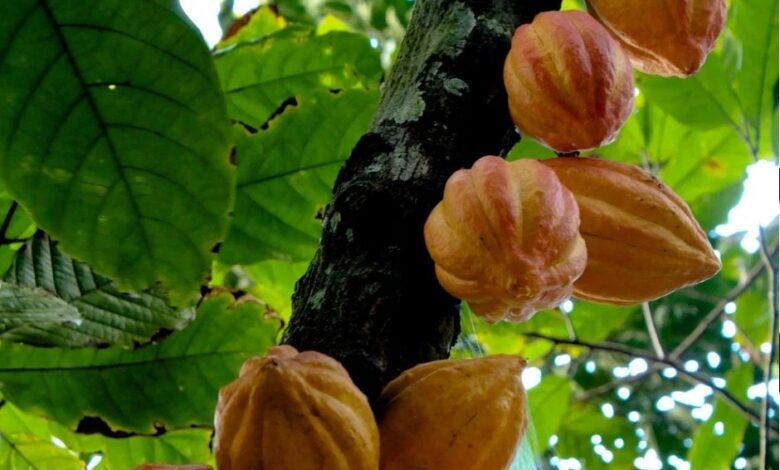
The cocoa tree (Theobroma cacao) is an exceptionally fragile species. It requires specific conditions—high humidity, constant rain, and nitrogen-rich soil—found only within 20 degrees north and south of the Equator.
The world’s chocolate supply is under immediate threat, according to a series of climate and economic reports highlighted by Le Figaro.
Experts warn that if current environmental trends continue, chocolate as we know it could effectively disappear from mass-market shelves by the year 2050.
The Climatic Trap: The 2.1°C Threshold
The primary driver of this crisis is the extreme sensitivity of the Theobroma cacao tree. Production is heavily concentrated in a narrow “Cocoa Belt” near the Equator.
- Evapotranspiration: According to climate models, a projected temperature rise of 2.1°C in West Africa (specifically Côte d’Ivoire and Ghana) will not only stress the trees but will cause a massive loss of moisture through evaporation.
- Geographic Displacement: As the lowlands become too dry, cultivation would need to move to higher altitudes. However, these areas are often protected mountainous rainforests, creating a conflict between food production and environmental conservation.
The Structural Deficit:
Le Figaro highlights a deepening “structural deficit” in the global market. We are currently witnessing a historic era where global demand for cocoa consistently outpaces production.
- The Asian Demand Surge: The emergence of a massive middle class in China and India has transformed chocolate from a niche product into a daily craving for billions, causing stocks to dwindle.
- Price Volatility: The result is a sharp spike in raw cocoa prices on international exchanges, signaling the end of “cheap chocolate.”
The Triple Threat: Labor, Age, and Disease
Beyond the weather, the industry faces three internal collapses:
- Aging Trees: Most plantations have reached the end of their biological productivity cycle, leading to smaller and weaker harvests.
- Generational Flight: Young people in farming communities are migrating to urban centers, leaving an aging workforce unable to manage the labor-intensive demands of cocoa harvesting.
- Pathogens: Fungal diseases and “Black Pod” rot currently destroy nearly 30% to 40% of the global crop annually—a figure expected to increase as trees become climate-stressed.
Record high gold prices help South Africa to revive sector — WSJ reports