DCO’s 2nd International Digital Cooperation Forum Advances Inclusive Prosperity in the Age of AI

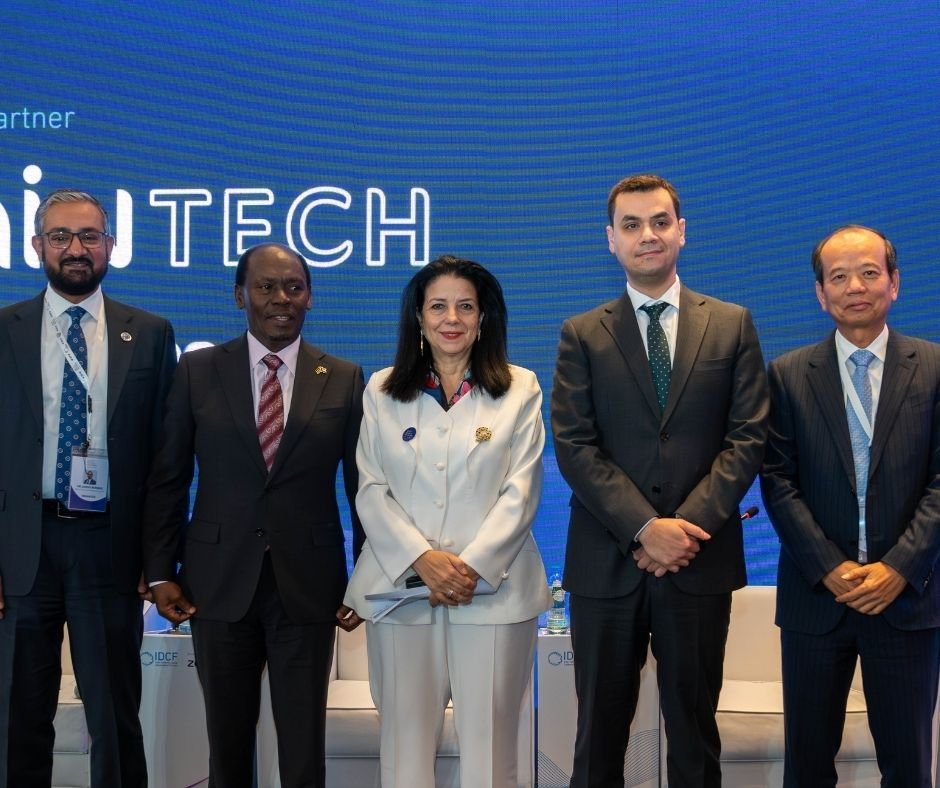
The second edition of the International Digital Cooperation Forum (IDCF) 2026 concluded in Kuwait, having taken place from 4–5 February at Jumeirah Messilah Hotel, bringing together leading figures and stakeholders from regional and international digital ecosystems under the theme “Inclusive Prosperity in the Age of AI.”
The Forum was organized by the Digital Cooperation Organization (DCO), in collaboration with the event’s strategic partner ZainTECH. Over two days, it brought together senior policymakers, decision-makers, business leaders, and representatives of international organizations from 60 countries.
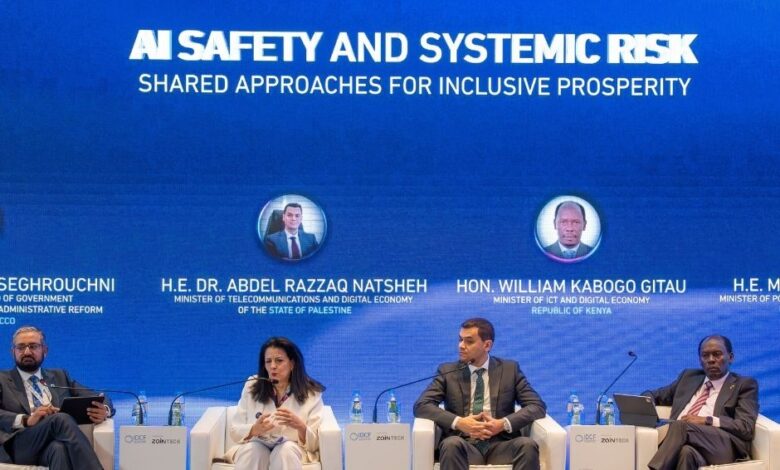
The event is widely regarded as a platform shaping pathways for responsible artificial intelligence, digital investment, and cross-border cooperation. Forum sessions focused on moving from dialogue toward aligning policy, investment, and innovation efforts to enhance opportunities presented by AI-driven digital transformation while mitigating associated risks.
The Forum was held on the sidelines of the Fifth DCO General Assembly, during which Member States adopted the Kuwait Declaration on Responsible AI for Global Digital Prosperity.
the pivotal role of international cooperation

During her participation in the Forum, Dr. Hajar ElHaddaoui, Director General of the Digital Cooperation Organization, said: “For the second consecutive year, the International Digital Cooperation Forum has demonstrated the pivotal role of international cooperation in transforming shared priorities into practical action. The Forum provided a platform to align policymaking efforts, enhance investment and innovation, and advance practical initiatives supporting responsible and scalable AI adoption.
“With the support of our strategic partner ZainTECH and in collaboration with our broader ecosystem of partners, discussions focused on effectively deploying artificial intelligence as both a driver of growth and a tool to reduce digital gaps, supporting inclusive prosperity and strengthening long-term digital resilience.”
Andrew Hanna, CEO of ZainTECH, said: “IDCF 2026 highlighted the critical role of collaboration between governments, industry leaders and the private sector in advancing responsible AI at scale. We fully support DCO’s efforts to translate shared priorities into practical solutions that strengthen digital infrastructure, skills, and innovation.”
Hanna added, “AI is already transforming economies and institutions. But its real value lies not in speed or scale, it lies in trust. ZainTECH is shaping the future of AI and the regional digital economy by focusing on building digital ecosystems that are inclusive, secure, and built to last through a simple operating model that is Digital, Intelligent and Resilient.”
Across plenary discussions, ministerial engagements, and curated side events, conversations underscored that AI-enabled growth will deliver broad-based prosperity only when anchored in responsible governance, trusted digital foundations, skills development and sustained international cooperation.
In parallel, the IDCF Marketplace showcased more than 30 startups and ecosystem partners, highlighting the role of entrepreneurship in translating policy priorities into scalable digital solutions.
Meanwhile, participating students showcased how new data from the second edition of the Digital Economy Navigator (DEN), which supported and enhanced their academic research and innovation projects, offering a real-world perspective on DEN’s impact on talent and knowledge development.
The DCO featured multiple partners at the Forum including ZainTECH as strategic partner, who led insightful sessions including a panel titled “Operationalizing Responsible & Trustworthy AI: Moving Beyond Ethics Manifestos to Functional Compliance and Risk Management” and the “Applied Data & AI: From Insight to Responsible Execution” masterclass. Meanwhile, BSF was a track partner and organized the panel session “Digital Banking and Fintech as Enablers of an Inclusive Digital Economy”, and Alcatel-Lucent was a session partner for the panel “Empowering Nations with AI: Insights from the AI-REAL Toolkit”.