>> Elmograbi: External Interference Is Fueling Sudan’s War and Regional Instability
>> GERD Dispute and Border Clashes Push Sudan–Ethiopia Relations to the Brink
>> Al-Fashaga and RSF Movements Ignite New Phase of Sudan–Ethiopia Tensions
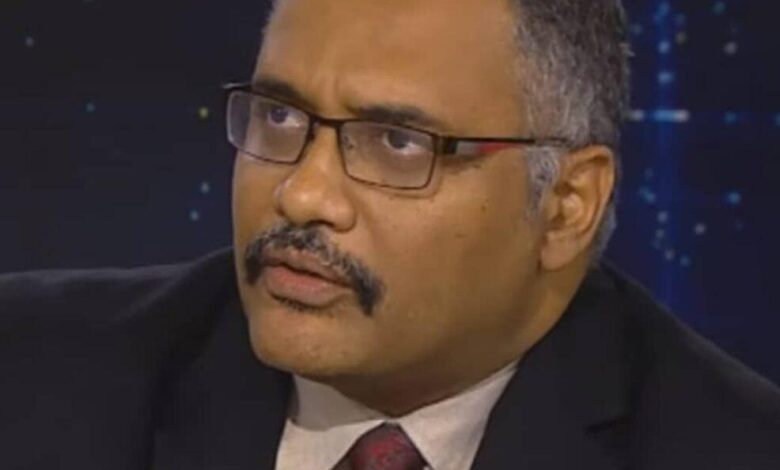
In this interview with Afronews, Mekki Elmograbi, an expert on Sudanese and African affairs and a former diplomat in Washington, D.C., offers an objective assessment of the escalating crisis in Sudan and the Horn of Africa, and Ethiopia’s role in destabilizing Sudan.
El-Maghraby highlights the growing importance of Egypt’s role in achieving stability, the challenges posed by regional tensions, and the need for coordinated African solutions to counter external interference and restore balance.
>> How would you assess the current state of relations between Sudan and Ethiopia?
Unfortunately, relations are strained and marked by distrust, especially after Sudan’s official complaints about RSF-linked activities from Ethiopian territory. Ethiopia is responsible for hosting those evil elements from the terrorist militia; it should hand them over to Sudan immediately. I strongly believe that what is said by the Sudanese government is correct; simply, Sudan does not want more enemies. We already have a very bad enemy, and we cannot create a new one. We need Ethiopia to stand with us in our crisis as we did before. For this reason, I call for intelligence diplomacy to come back, and a structured security dialogue and border coordination mechanism are urgently needed to rebuild confidence.
>> What are the key drivers behind the recent tensions along the border?
Border insecurity, including RSF militia movements via Ethiopian soil, has deepened tensions. External actors have also exploited these fault lines, making Sudan and Ethiopia pay the price of other countries’ ambitions to control gold and mineral resources and to intervene in Nile issues.
>> To what extent does the Al-Fashaga dispute remain a central issue in bilateral relations?
Al-Fashaga is Sudanese land and remains a core sovereignty issue for Sudan and a persistent source of friction. However, after peace returns, it can be a place where Ethiopian farmers can partner with Sudanese landowners through joint agricultural and security arrangements, but that needs the previous situation of good relations between Sudan and Ethiopia to return.
>> How is the Grand Ethiopian Renaissance Dam (GERD) influencing political and security dynamics between the two countries?
The water disputes continue to affect trust due to the absence of a binding agreement on the GERD with Sudan and Egypt. We need now from Ethiopia a cooperative framework on data sharing and water security that could turn it into a platform for regional stability. Any delay will complicate the situation. Sudan welcomes negotiation, but the final solution is joint agreement between the three countries.
>> Do you see a risk of direct military confrontation, or will tensions remain contained?
There is huge risk, and we should not deny that, especially if border incidents persist without coordination. Again, I call for intelligence diplomacy to act very swiftly; otherwise, third parties from outside Africa will act negatively. A Sudan–Egypt joint defense agreement can act as a stabilizing deterrent while encouraging diplomatic solutions. This agreement is not made against Ethiopia at all; it was established at a time when there was no tension between Sudan and Ethiopia. Still, it is needed now.
>> In your view, what are the biggest misconceptions or inaccuracies in how the Sudan conflict is portrayed internationally?
The conflict is often simplified as a purely internal struggle, ignoring cross-border aggression against Sudan and external influences. There is an evil plan to dismantle Sudan and attack Egypt after that. A greater Israel plan is not far from what is happening.
>> ow would you describe the humanitarian situation in Sudan today, and is it being effectively communicated to the world?
The humanitarian situation is serious but unfortunately is used by some countries -who support the militia- to push for fake humanitarian truces, something to help their supplies and weapons to reach the terrorist militia.
>> How do Western governments—especially the United States—currently perceive and engage with the Sudan conflict?
Western engagement often lacks balance and overlooks regional security realities. Their policies mostly contribute to prolonging instability rather than resolving it.
>> Do you believe Western media coverage of Sudan reflects bias or double standards compared to other global conflicts?
Actually, it is based on bias. Coverage often reflects selective attention and lacks depth on regional dynamics. This creates an incomplete picture that does not fully represent Sudan’s position.
>> To what extent is this war also an “information war,” and who is winning the battle of narratives?
It is significantly a media and information war shaped by external narratives. Sudan and its regional allies need stronger coordination to present a coherent and factual narrative.
>> How feasible is it to build a strong Sudanese lobby abroad, particularly in Washington, to defend national interests?
It is feasible but requires organization and unified messaging. There is already an existing network for Sudan’s friends.
>> What practical steps can Sudanese media professionals and the diaspora take to correct the global narrative about the war?
They should focus on consistent messaging, verified information, and engagement with international platforms. In short, be more loyal to their carrer and to Sudan.
>> Looking ahead, what are the most realistic scenarios for Sudan, and what urgent actions are needed to stabilize the country?
Reducing external interference. Sudanese dialogue should be purely Sudanese, with no room for spoilers.
read more
The Berlin Conference and the Need to Rise to the Level of Sudan’s Catastrophe