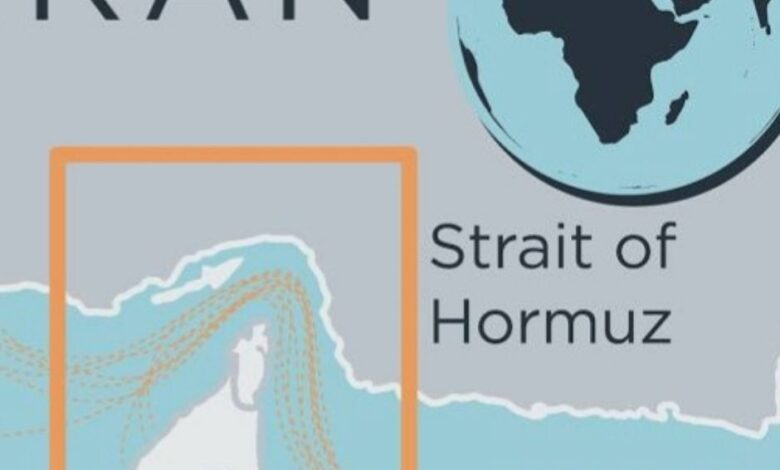
The strategic waters of the Strait of Hormuz have officially devolved into a perilous quagmire, where the first signs of maritime movement in seven weeks are being rapidly swallowed by a renewed military lockdown. On Saturday, a convoy of eight tankers—including liquefied petroleum gas (LPG) carriers and chemical vessels—braved the tense passage south of Larak Island.
While this transit marked the first major movement of commercial shipping since the U.S.-Israeli war on Iran commenced on February 28, the atmosphere was far from celebratory. Instead, it served as a stark reminder of the “logic of the sword” that currently dictates the world’s most vital energy artery.
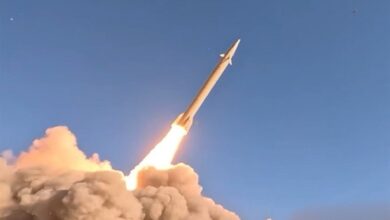
The “quagmire” was fully realized when Tehran’s armed forces command abruptly announced the reimposition of “strict military control” over the waterway.
This declaration effectively neutralized the 10-day maritime truce that had briefly allowed global markets to breathe. Iranian authorities justified this reversal by citing “persistent acts of piracy” and violations of sovereignty by the U.S.-led naval blockade. By pulling the curtain back across the strait, Tehran has turned a simple shipping lane into a geopolitical trap, where every vessel’s passage is no longer a matter of international law but a high-stakes diplomatic concession.
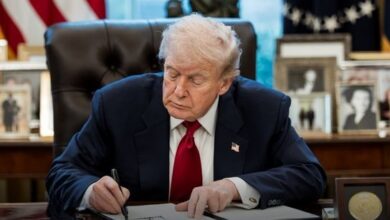
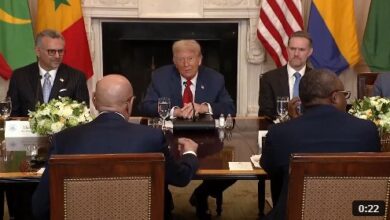
From the South Lawn of the White House, President Donald Trump attempted to project an image of controlled progress, citing “pretty good news” regarding his back-channel communications with the Islamic Republic. However, his rhetoric remains a study in transactional pressure. While hinting at a “Grand Bargain” that would permanently strip Iran of its nuclear capabilities, Trump issued a chilling ultimatum: the current ceasefire, set to expire this Wednesday, April 21, will not be extended without a comprehensive and final peace treaty. This “all-or-nothing” approach has deepened the quagmire, leaving regional players in a frantic race against the clock.
The mediation efforts in Islamabad have hit a logistical and ideological wall. While Field Marshal Asim Munir of Pakistan has concluded three days of intense “shuttle diplomacy” in Tehran, and Prime Minister Shehbaz Sharif has mobilized a “Regional Quartet” including Egypt, Turkey, and Saudi Arabia, the core deadlock remains immovable. The U.S. insists on the total physical removal of Iran’s enriched uranium stockpiles—a demand Tehran views as a “veil of blindness” designed to strip it of its national dignity. Furthermore, the gap between Washington’s 20-year nuclear suspension demand and Tehran’s 3-year proposal seems bridged only by mutual suspicion.
The economic ripple effects of this standoff are reaching a breaking point. Although oil prices dipped by 10% on Friday in anticipation of the reopening, the subsequent military re-tightening by Iran has sent markets back into a tailspin, For nations like Kenya and South Korea, which are desperately seeking alternative supply corridors, the Hormuz quagmire is a reminder that global food security and industrial survival are tethered to a few nautical miles of contested water. The “Spearhead” of the crisis is no longer just a potential military clash, but the imminent collapse of the global energy supply chain if a “modus vivendi” is not reached before the Wednesday deadline.
As the Pope voices moral denunciations of the “handful of tyrants” from his tour in Africa, and as regional ministers coordinate to protect their sovereign interests, the world’s eyes remain fixed on the tankers currently idling in the Gulf. Are they the vanguard of a new peace, or the last witnesses to a world order that is being swallowed by the Hormuz quagmire? The next 72 hours will determine if the “Coffee of Light” for the global economy will be poured, or if the darkness of a total maritime shutdown will prevail.
read more:
Conflicting Accounts: US and Iran Dispute Warship Movements in Strategic Strait of Hormuz