Dragon’s Tightrope: Beijing’s Strategic “Red Carpet” Diplomacy for the Trump Summit

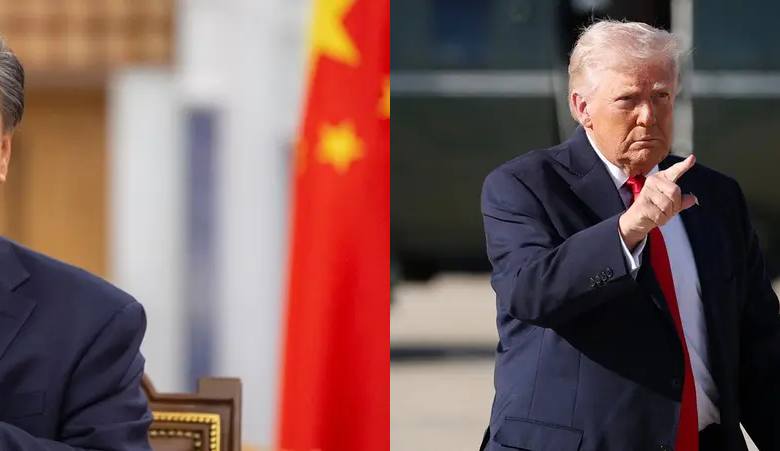
As the geopolitical fires of the Iran War continue to singe global energy supply lines, China is executing a masterful diplomatic dance, balancing its role as Tehran’s primary economic lifeline with the urgent need to secure a “modus vivendi” with Washington. With the highly anticipated summit between President Xi Jinping and Donald Trump set for May 14, Beijing is carefully modulating its tone, prioritizing strategic stability over inflammatory rhetoric to ensure the first visit by a U.S. President in eight years remains on track.
The Peace Proposal and Tactical Silence
President Xi’s recently unveiled “four-point peace plan”—focused on sovereignty, peaceful coexistence, and the international rule of law—serves as a sophisticated diplomatic “smoke screen.” While it positions China as a global peacemaker, it deliberately avoids any direct condemnation of Trump’s aggressive conduct, including his recent threats of total Iranian destruction. This tactical silence is a calculated move to “butter up” a U.S. President perceived in Beijing as transactional and susceptible to the “red-carpet” treatment. By protecting this back-channel leverage, China has earned rare credit from Trump for helping bring Iran to the negotiating table in Pakistan.
Energy Security vs. Diplomatic Leverage
As the world’s top crude oil importer, reliant on the Middle East for half its fuel, China views the U.S. naval blockade of Iranian ports as a direct existential threat. However, Beijing’s sense of urgency has shifted from vocal opposition to intensive “theatre-statecraft.” Foreign Minister Wang Yi’s marathon of thirty diplomatic meetings and special envoy Zhai Jun’s ground-level tours of Gulf capitals underscore a frenetic effort to safeguard energy corridors without assuming the risky role of a security guarantor. Analysts suggest that while Iran seeks China as a “ceasefire guarantor,” Beijing remains content to let the United States bear the brunt of the region’s military and political pressure.
The Summit Agenda: Transactional Stability
The upcoming Xi-Trump summit is expected to be narrowly focused on high-impact transactions rather than broad ideological bargains. Insiders suggest that China is prepared to offer significant concessions—including a potentially historic order for Boeing aircraft and massive agricultural purchases—to ease tensions over trade and Taiwan. By avoiding contentious issues like AI governance and manufacturing overcapacity, Beijing hopes to achieve a temporary “truce” that allows it to maintain no-strings-attached relationships with anti-Western allies while preserving its economic access to the American market.
The Limits of Influence
Ultimately, China’s Middle East leverage remains limited by its lack of military footprint. While it can facilitate dialogue, it cannot enforce peace. As the war drags on toward the April 21 ceasefire deadline, Beijing is betting that its “diplomacy of the road”—exemplified by envoys traveling through air-raid sirens—will be enough to keep it “in the room” with negotiators without having to pay the full price of regional leadership
read more
Maritime Stranglehold: Washington Challenges China’s African Mineral Monopoly at the Great Straits