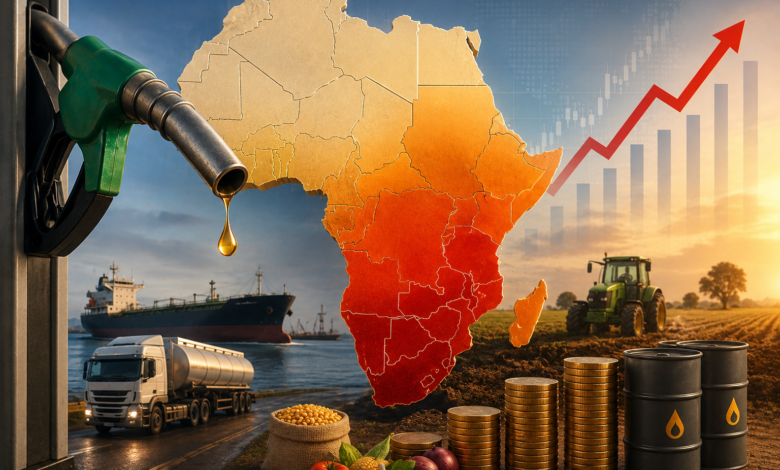
In a stark macroeconomic paradox that exposes deep structural vulnerabilities across regional supply chains, a dense geographic cluster of Southern African nations has recorded aggressive sequential increases in retail diesel prices, This localized inflationary surge materializes precisely as the global weighted average for mid-distillate fuel experienced a modest contraction, softening from $1.60 per liter to $1.58 per liter.
According to definitive commodity intelligence verified for May 2026, the intensifying fiscal pressure is heavily concentrated within the Southern African Development Community, which claims seven out of the ten highest-priced slots on the continent.
This upward pricing trajectory—fueled by volatile regional logistics, persistent currency depreciation, and structural dependencies on foreign refining hubs—presents an immediate threat to the foundational economic frameworks of the affected sovereign states.
The rapid escalation of domestic diesel tariffs acts as a primary catalyst for systemic inflation across frontier markets, directly compressing consumer purchasing power and inflating freight overheads. Because diesel serves as the primary energetic baseline for commercial transport networks, agrarian equipment, and critical industrial backup generation, any localized upward adjustment instantly radiates through secondary and tertiary supply chains.
Fleet operators, navigating razor-thin operating margins, are systematically passing these volatile energy costs directly down to commercial enterprises and retail consumers, driving up the landing cost of basic food commodities and essential goods.
In the agricultural sector, where diesel-fueled infrastructure powers deep-well irrigation systems, heavy machinery, and cold-chain distribution logistics, these compounded overheads pose a structural risk to regional food security as production expenses outpace localized yield margins.
The geopolitical distribution of the continent’s most capital-intensive diesel regimes highlights a significant shifting of regional vectors, characterized by the newly recorded entries of Mozambique and Eswatini into the top-tier bracket, effectively displacing West African hubs like Mali and Liberia. Within this high-cost Southern bloc, nations including Malawi, Lesotho, South Africa, Botswana, and Zambia all absorbed negative sequential price hikes.
Conversely, the Central African Republic and Zimbabwe managed to execute marginal downward recalibrations from their previous baselines, while Sierra Leone maintained absolute price stability over the same operational period.
Even for sub-Saharan nations possesses substantial upstream crude reserves, a chronic, structural deficit in domestic refining infrastructure continues to force central exchequers to procure finished distillates at volatile spot-market international valuations, draining sovereign foreign exchange reserves and slowing overall industrial competitiveness along elongated trade corridors.
read more
South Africa Aborts National AI Framework Amid Fabricated Reference Scandal