Millions of Ethiopians Head to the Polls as Parliamentary and Regional Elections Get Underway
Voting officially began across Ethiopia on Monday in parliamentary and regional elections widely expected to deliver a decisive victory for Prime Minister Abiy Ahmed’s ruling Prosperity Party. The vote comes at a critical moment for the East African nation, which continues to grapple with security challenges, political tensions, and ongoing unrest in several regions.
More than 50 million registered voters are eligible to participate in the elections. However, no voting is taking place in the northern Tigray region, where election organizers cited “unfavourable conditions” following the devastating two-year civil war and continuing political instability.
The elections are being closely watched both domestically and internationally as Ethiopia seeks to consolidate political stability while addressing persistent security concerns and regional conflicts.
Abiy Ahmed Promises More Progress and Historic Transformation
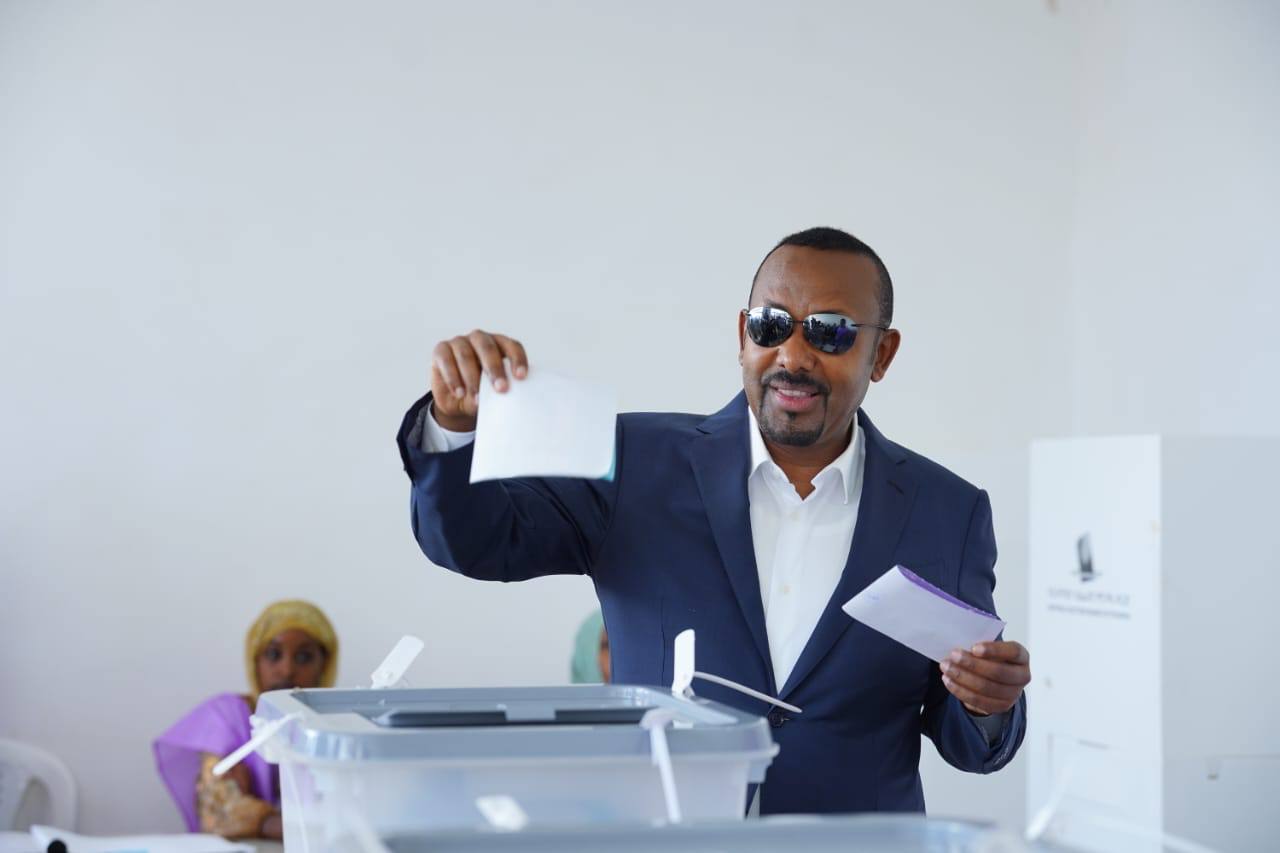
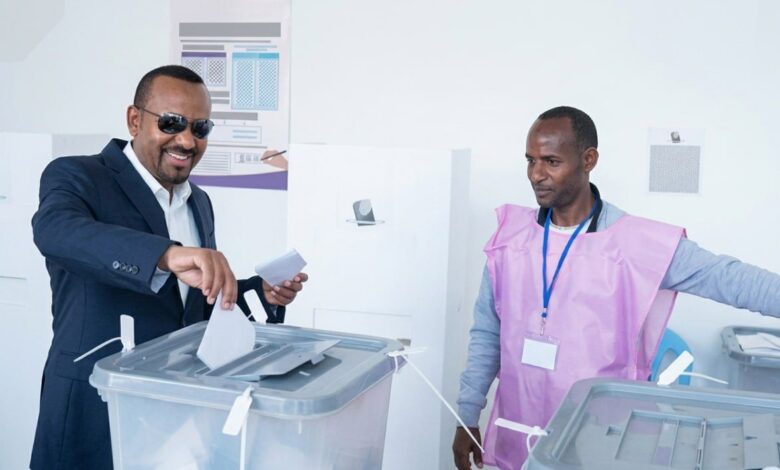
Prime Minister Abiy Ahmed cast his ballot in his hometown of Beshasha in the Oromia region, where he highlighted his government’s economic achievements and expressed confidence about Ethiopia’s future.
Speaking after voting, Abiy said Ethiopians have demonstrated their ability to build their own institutions and democratic system without external guidance.
“The Ethiopian people have demonstrated that they do not need anyone to advise or lecture them in order to build their state and establish a democratic system,” Abiy said.
He added that the coming five years would represent a significant period in Ethiopia’s development.
“These next five years will be a period where we see many historic turning points for Ethiopia,” he stated.
The Prosperity Party has centered much of its election campaign on the government’s economic performance, infrastructure development, and efforts to improve living standards across the country.
African Union Election Observers Report Smooth Voting Process
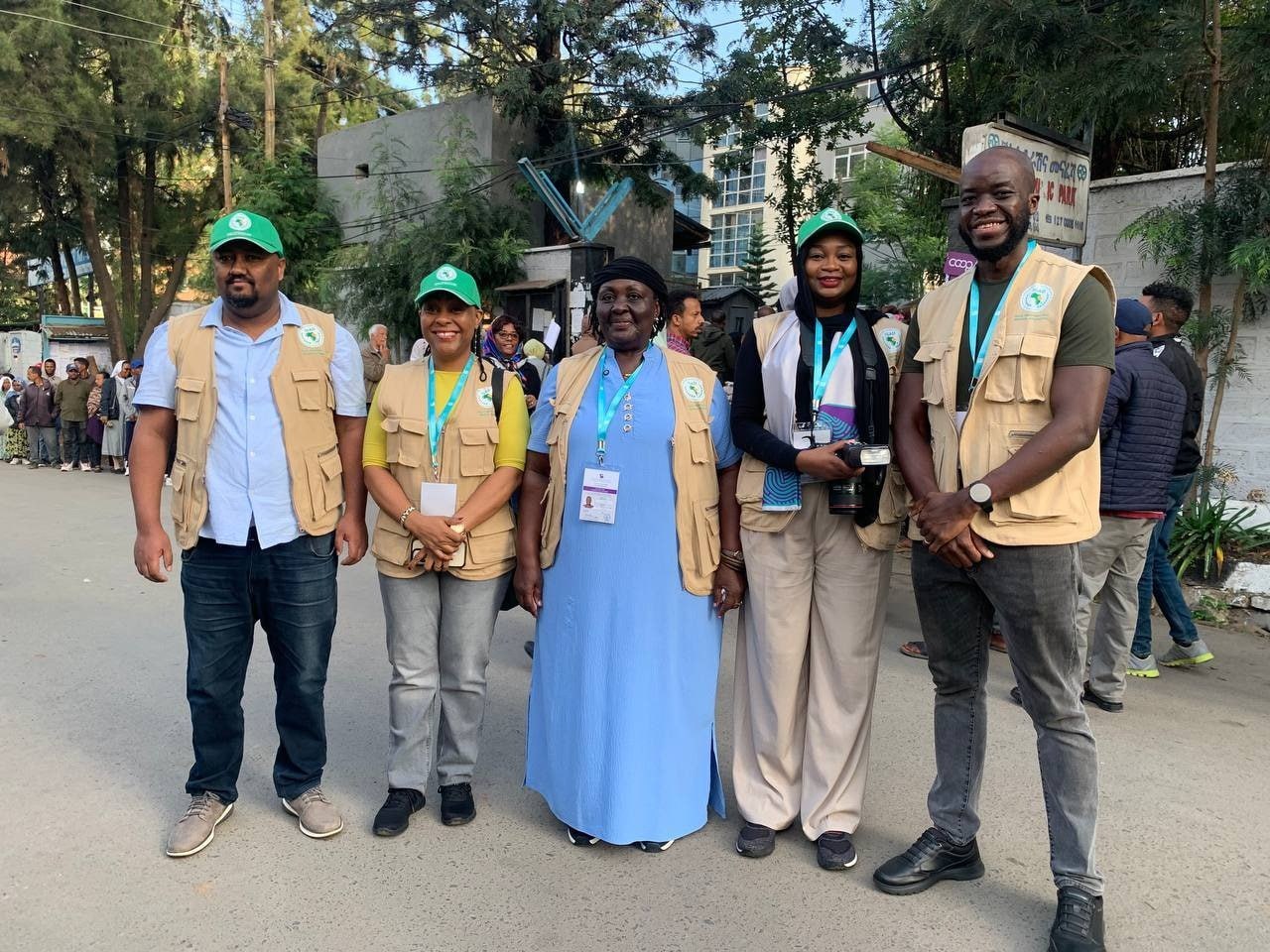
The African Union Election Observation Mission reported that voting was proceeding smoothly during the opening stages of the election.
Former Kenyan President Uhuru Kenyatta, who heads the African Union observer mission, emphasized the broader importance of Ethiopia’s elections for the African continent.
“Ethiopia being the capital of this great continent, a success here resounds across the continent, so we are wishing the people of Ethiopia well, and we hope and trust that the process shall be in order,” Kenyatta said.
The African Union’s assessment will be closely followed as Ethiopia seeks to demonstrate the credibility and effectiveness of its electoral process.
Prosperity Party Seeks to Extend Its Dominance
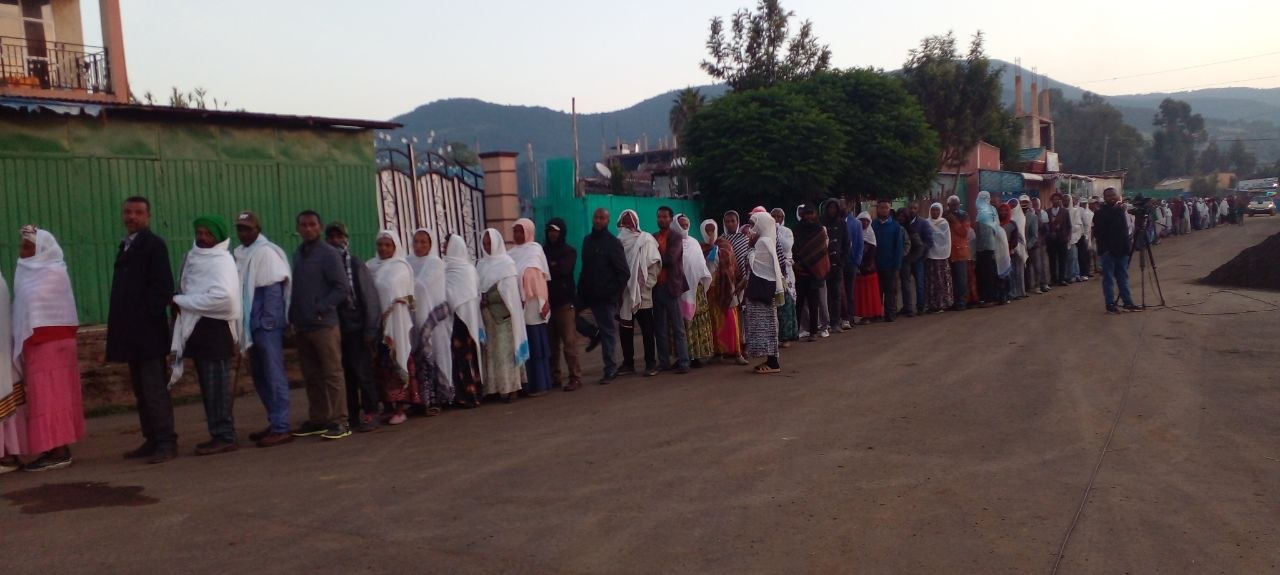
Abiy Ahmed came to power in 2018 after widespread anti-government protests led to the resignation of the previous leadership and the end of the long-dominant Ethiopian People’s Revolutionary Democratic Front (EPRDF) coalition.
In the 2021 elections, the Prosperity Party secured a commanding victory, winning 410 of the 484 parliamentary seats that were contested.
Ahead of the current elections, Prosperity Party candidates have promoted what they describe as significant improvements in food security, economic reforms, and strong economic growth.
Government officials project that Ethiopia’s economy will expand by more than 10% in 2026, making it one of the fastest-growing economies on the African continent.
Ethiopia is Africa’s second-most populous nation, with an estimated population of 135 million people. Nearly half of the country’s population is under the age of 18, highlighting the importance of youth participation in the country’s future political and economic development.
Insurgencies in Oromia and Amhara Present Major Security Challenges
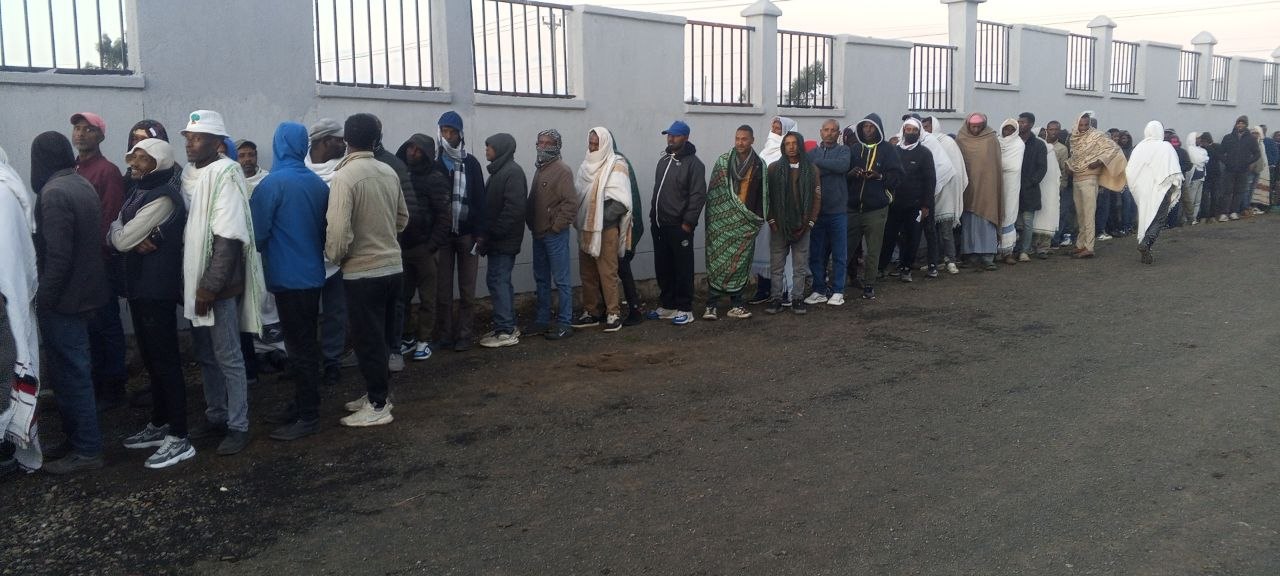
Despite expectations of a Prosperity Party victory, the elections are taking place against the backdrop of ongoing armed conflicts in Ethiopia’s two largest regions.
Prime Minister Abiy Ahmed continues to face insurgencies linked to grievances among different ethnic groups who argue that they have been marginalized within Ethiopia’s federal political system.
In Oromia, Abiy’s home region and the largest region in the country, clashes between government forces and the Oromo Liberation Army (OLA) separatist group have resulted in hundreds of deaths over the past several years.
The continuing violence has raised concerns about security and governance in large parts of the region.
Meanwhile, in neighboring Amhara, the Fano militia has seized significant areas of rural territory since 2023, creating additional challenges for federal authorities.
As a direct consequence of the insecurity, voting is not taking place in at least eight of Amhara’s 138 electoral constituencies, underscoring the logistical and security difficulties facing election officials.
Tigray Excluded from Voting Amid Fears of Renewed Instability
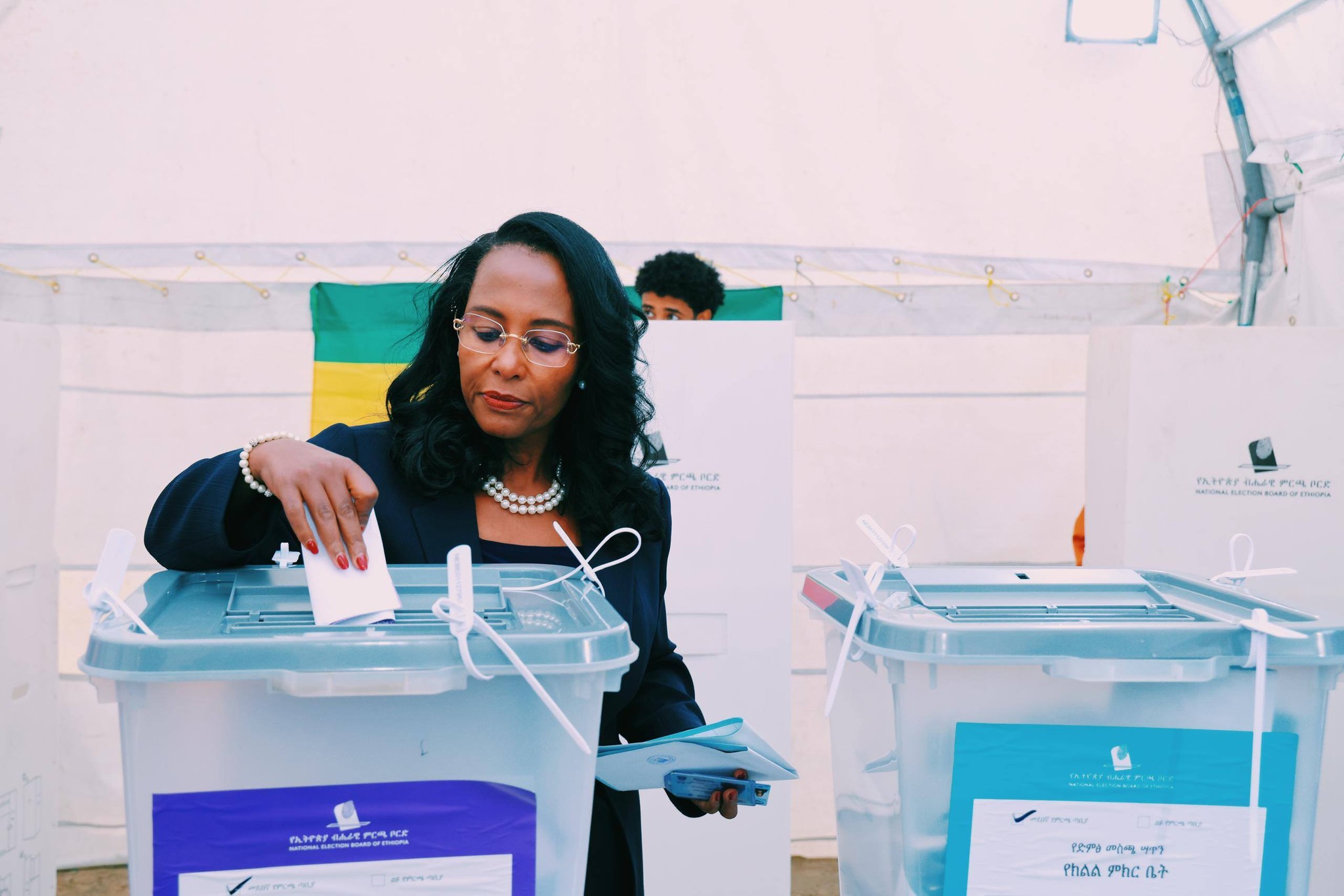
Although the 2022 peace agreement formally ended the civil war in Tigray, concerns remain about the region’s long-term stability.
The conflict, which researchers estimate caused hundreds of thousands of deaths, was one of the deadliest wars in recent African history.
Recent political developments have further heightened concerns. Last month, the region’s main political party moved to reassert control over Tigray’s political administration, prompting Ethiopian officials and political analysts to warn of the possibility of renewed unrest.
These developments contributed to the decision not to conduct voting in the region during the current elections.
Fragmented Opposition Struggles to Challenge the Ruling Party
Despite criticism from opposition groups, the Prosperity Party is expected to dominate the elections due in part to a fragmented opposition landscape weakened by internal rivalries and organizational challenges.
Official election results are expected to be announced by June 11.
Opposition parties have accused the federal government of undermining political competition by arresting opposition leaders and creating legal barriers that restrict their political activities.
The Ethiopian government has rejected these allegations and maintains that it is committed to ensuring a lawful and transparent electoral process.
Media Restrictions and Human Rights Concerns Remain Under Scrutiny
Questions surrounding press freedom and human rights continue to attract international attention during the election period.
Reuters has been unable to report from inside Ethiopia since mid-February after the Ethiopian Media Authority declined to renew accreditation for the agency’s three journalists based in Addis Ababa.
When Abiy Ahmed assumed office in 2018, he launched a series of political and economic reforms that were widely welcomed both domestically and internationally.
His administration liberalized parts of Ethiopia’s tightly controlled economy and released journalists, activists, and political prisoners.
Those reforms contributed to Abiy receiving the Nobel Peace Prize in 2019 for helping end hostilities with neighboring Eritrea.
However, opposition groups and human rights organizations argue that many of those gains have been reversed in recent years. Critics accuse the government of detaining journalists, shutting down civil society organizations, and overseeing military campaigns allegedly marked by serious human rights abuses.
The Ethiopian government denies allegations of systematic human rights violations and insists that its actions are necessary to safeguard national security and preserve stability.
Ethiopia-Eritrea Relations Strained by Sea Access Dispute
In addition to domestic challenges, Ethiopia’s relations with Eritrea have deteriorated in recent years despite the historic rapprochement that followed Abiy Ahmed’s rise to power.
One of the main sources of tension has been Abiy’s repeated statements that landlocked Ethiopia has a legitimate right to secure access to the sea.
Eritrea, which gained independence from Ethiopia in 1993, has interpreted those comments as a potential indication of future military ambitions.
Abiy Ahmed has repeatedly stated that access to the sea is an “existential” issue for Ethiopia. However, he has also emphasized that his government intends to pursue any solution through dialogue, negotiation, and peaceful means rather than military action.
As Ethiopians cast their votes, the elections are unfolding against a complex backdrop of economic ambitions, regional security threats, political divisions, and diplomatic tensions, making the outcome a significant moment in the country’s ongoing political evolution.
read more