Global Race to Combat Ebola Bundibugyo: CEPI Commits Nearly $60 Million to Moderna, Oxford, and IAVI Vaccine Development Efforts

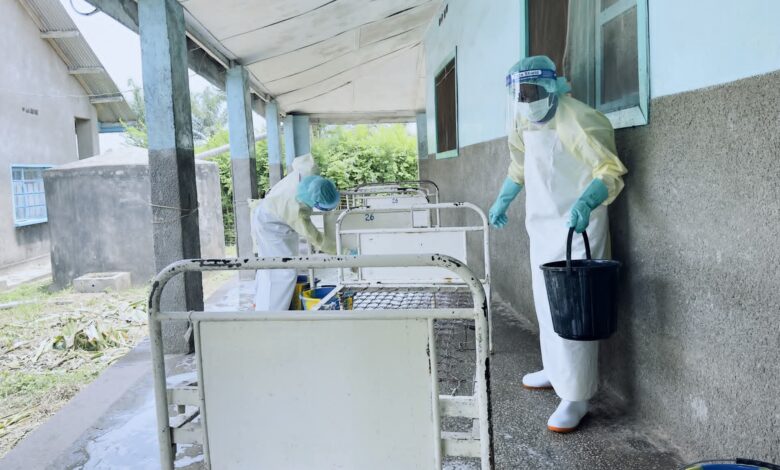
International Funding Accelerates Ebola Bundibugyo Vaccine Development as Outbreak Expands in Democratic Republic of Congo
The Coalition for Epidemic Preparedness Innovations (CEPI) has announced funding commitments totaling nearly $60 million to support the rapid development of vaccines against Ebola Bundibugyo, a deadly strain of the Ebola virus currently driving a growing public health emergency in eastern Democratic Republic of Congo (DRC).
The funding package will support vaccine programs led by Moderna, the University of Oxford, and the International AIDS Vaccine Initiative (IAVI), as global health organizations intensify efforts to contain an outbreak that has already caused hundreds of confirmed infections and dozens of deaths.
CEPI, which played a critical role in financing and accelerating vaccine development during the COVID-19 pandemic, is once again mobilizing resources to support the rapid advancement of promising vaccine candidates against a high-threat infectious disease.
CEPI Says Ebola Bundibugyo Vaccines Could Reach Clinical Trials Within Months
Speaking to Reuters, CEPI Chief Executive Officer Richard Hatchett said vaccine candidates targeting Ebola Bundibugyo could be ready to enter clinical trials within a matter of months, marking a potentially significant breakthrough in the global response to the outbreak.
Currently, there are no approved vaccines or treatments specifically designed to protect against the Ebola Bundibugyo strain, leaving health authorities with limited tools to contain the disease.
“Every day counts in the race against this deadly disease,” Hatchett said, emphasizing the urgency of accelerating vaccine research and development efforts as the outbreak continues to spread.
He added that the prospect of effective vaccines becoming available within a relatively foreseeable timeframe should encourage governments, international organizations, and funding partners to begin discussions regarding procurement strategies, financing mechanisms, and future vaccine deployment plans.
However, Hatchett also cautioned that vaccine development remains inherently unpredictable. While scientific progress has been encouraging, he warned that conducting vaccine trials in eastern Democratic Republic of Congo could prove particularly challenging due to ongoing security concerns and operational difficulties in the region.
Ebola Bundibugyo Outbreak Continues to Spread Across Central Africa
According to data released by the Africa Centres for Disease Control and Prevention (Africa CDC) and the World Health Organization (WHO), the Ebola Bundibugyo outbreak has resulted in 282 confirmed cases in Democratic Republic of Congo.
The outbreak has also claimed 42 lives among confirmed patients, highlighting the severity of the disease and the urgent need for medical interventions.
In addition to the confirmed cases, health authorities are monitoring approximately 1,100 suspected infections, underscoring concerns that the actual scale of the outbreak could be significantly larger than currently confirmed figures suggest.
The outbreak has already crossed international borders. Uganda has reported nine confirmed cases linked to the outbreak, including one fatality, raising fears of broader regional transmission if containment efforts are not strengthened.
In response to the escalating health crisis, international public health agencies have formally declared the outbreak a public health emergency, triggering increased global attention and emergency response measures.
Moderna Receives Up to $50 Million to Advance Investigational Ebola Vaccine
As part of the new funding initiative, CEPI has committed up to $50 million to support the preclinical development and early-stage clinical testing of Moderna’s investigational Ebola Bundibugyo vaccine candidate.
The investment is designed to accelerate vaccine development activities, generate critical safety and efficacy data, and help move the candidate through the initial stages of human clinical evaluation.
Moderna stated that the funding will also support manufacturing activities and could facilitate progression into larger, later-stage clinical trials if early trial results demonstrate favorable safety and effectiveness outcomes.
The funding represents one of the most significant investments currently directed toward combating the Ebola Bundibugyo outbreak and reflects growing confidence in mRNA-based vaccine technology as a rapid-response platform for emerging infectious diseases.
CEPI Expands Support to Oxford University and IAVI Vaccine Programs
In addition to its investment in Moderna, CEPI announced that it will provide up to $8.6 million to support a vaccine candidate developed by the University of Oxford and manufactured by the Serum Institute of India.
The coalition also committed an initial $3.2 million to support vaccine development efforts led by the International AIDS Vaccine Initiative (IAVI).
By funding multiple vaccine platforms simultaneously, CEPI aims to maximize the chances of identifying a safe and effective vaccine while reducing the risks associated with relying on a single scientific approach.
IAVI Vaccine Builds on Technology Used in Merck’s Approved Ebola Vaccine
IAVI’s single-dose Ebola Bundibugyo vaccine candidate utilizes the same underlying technology platform as Merck’s approved Ebola vaccine, Ervebo, which was developed to protect against the Ebola Zaire strain.
The Ebola Zaire strain was the first form of the virus ever identified and was originally discovered in what was then known as Zaire, now the Democratic Republic of Congo.
According to researchers, IAVI’s vaccine candidate has demonstrated survival benefits in animal studies, providing encouraging evidence that the technology could offer protection against the Bundibugyo strain as well.
These findings have contributed to growing optimism among scientists that existing Ebola vaccine technologies can be adapted more rapidly to address emerging strains.
Oxford’s ChAdOx1 Bundibugyo Vaccine Leverages Proven COVID-19 Vaccine Technology
The University of Oxford’s vaccine candidate, known as ChAdOx1 Bundibugyo, is based on the same viral vector technology used in the Oxford/AstraZeneca COVID-19 vaccine that was deployed globally during the coronavirus pandemic.
Hatchett highlighted Oxford University and the Serum Institute of India’s demonstrated ability to respond rapidly to emerging disease threats.
He pointed to their work during last year’s Rift Valley Fever outbreak in Mauritania and Senegal, where the organizations successfully prepared vaccine doses for clinical testing in approximately six weeks.
This timeline represents a dramatic improvement compared with traditional vaccine development processes, which have historically taken years to reach similar stages of readiness.
Ensuring Vaccine Access Will Be the Next Major Challenge
While developing effective vaccines remains the immediate priority, Hatchett emphasized that ensuring equitable access to those vaccines will become the next major challenge once successful candidates emerge.
He noted that approximately 300,000 doses of Ervebo were required to help bring the 2018–2020 Ebola Zaire outbreak in a similar region of Democratic Republic of Congo under control.
That experience demonstrated the scale of manufacturing, logistics, financing, and distribution efforts required to contain major Ebola outbreaks effectively.
Health experts warn that without advance planning for procurement and delivery, even successful vaccine development may not be sufficient to halt transmission in vulnerable communities.
Gavi and World Bank Pandemic Fund Announce Additional Financial Support
Separate from CEPI’s funding commitments, the global vaccine alliance Gavi announced on Friday that it would allocate up to $50 million to support Ebola outbreak response activities.
Meanwhile, the World Bank’s Pandemic Fund revealed plans to provide grants worth up to $220.6 million to strengthen outbreak preparedness, response capacity, and public health infrastructure in affected regions.
The additional financial commitments underscore the growing international concern surrounding the Ebola Bundibugyo outbreak and reflect a coordinated global effort to prevent the disease from expanding further across Central and East Africa.
As vaccine developers race to produce viable candidates and health authorities work to contain transmission, the coming months are expected to be critical in determining whether the outbreak can be brought under control before it escalates into a broader regional health crisis.
read more
WHO Condemns Border Closures as Unvaccinated Ebola Strain Surges in DRC