Ambassador Dr. Mohamed Hegazy Writes: Youssef El Sebai… The Writer Who Made Egyptian Culture a Bridge to African Liberation
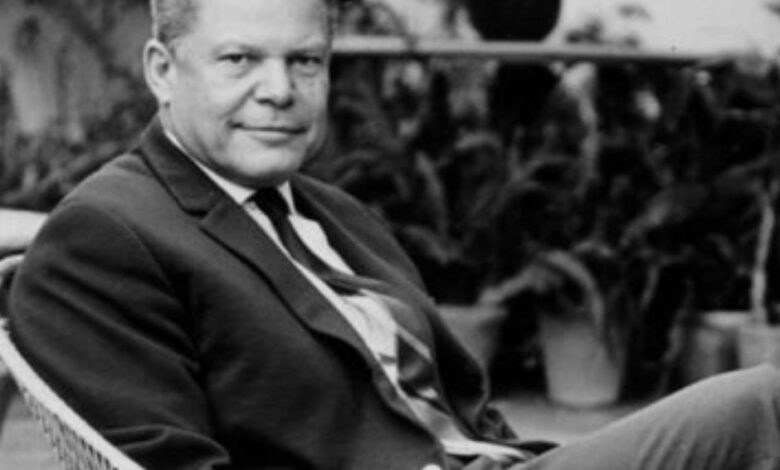
If the struggle for African independence required arms and diplomacy, it also required culture, ideas, and soft power, In this field, Youssef El Sebai stands out as one of the prominent Egyptian figures who helped consolidate the cultural dimension of Egyptian-African relations, transforming Cairo into a beacon for intellectuals, creative figures, and thought leaders from across the continent.
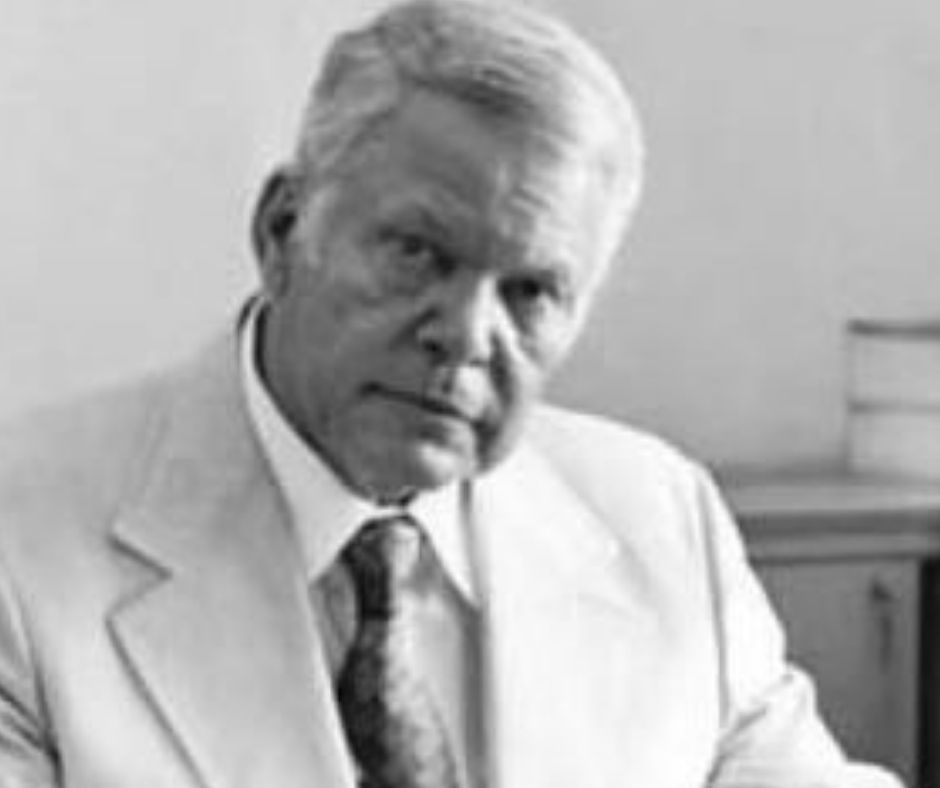
Youssef Mohamed Mohamed Abdel Wahab El Sebai was born in Cairo on June 17, 1917. He graduated from the Military Academy in 1937 and rose through the military ranks until becoming Director of the Military Museum. Yet his greatest fame came from the world of literature, where he became one of Egypt’s most celebrated novelists of the twentieth century and was nicknamed the “Knight of Romance.” He wrote dozens of novels and short stories, many of which were adapted into films that became part of the collective Arab cultural consciousness.
But El Sebai’s role extended far beyond literature into cultural and political life, particularly during the period of Arab nationalism and the national liberation movements that Egypt supported in the 1950s and 1960s.
El Sebai believed that culture was not a luxury, but an instrument of national liberation and identity-building. He therefore worked to employ Egyptian cultural institutions to promote closer ties with African and Asian peoples. When he became Minister of Culture in 1973, he sought to expand Egypt’s cultural presence in Africa, encourage cultural exchanges, receive African literary and artistic delegations, and highlight African heritage in Egyptian cultural activities.
He also headed the Egyptian General Book Organization and contributed to the development of publishing and translation, creating greater opportunities to introduce African literature to Egyptian audiences at a time when Cairo was an intellectual center for both the Arab and African worlds.
El Sebai was among the leading advocates of the idea that political liberation could not be complete without cultural liberation. During his tenure, Egyptian cultural institutions participated in organizing exhibitions, seminars, and forums that brought together African writers and intellectuals and helped build bridges of dialogue among the peoples of the continent.
He also played an important role in the Afro-Asian Peoples’ Solidarity Organization, which was established in Cairo following the Bandung Conference and became one of the major international platforms supporting liberation movements in Africa and Asia. Through this organization, Cairo hosted numerous conferences and meetings that brought together intellectuals, writers, and leaders of national liberation movements from countries across the Global South.
Youssef El Sebai believed that literature and culture could resist colonialism as effectively, in their own way, as politics could. He therefore sought to make Cairo a capital of books, theatre, and the arts, alongside its political role in supporting national liberation movements.
Throughout his literary career, he wrote more than twenty novels and collections of short stories. Among his best-known works are Return of the Heart, Nadia, I Am Leaving, Among the Ruins, The Land of Hypocrisy, and Life Is a Moment. Most of his works were successfully adapted into films, further establishing his position as one of the icons of modern Egyptian culture.
In 1978, while attending a conference of the Afro-Asian Peoples’ Solidarity Organization in Nicosia, Cyprus, he was assassinated while carrying out his cultural and diplomatic mission, bringing to an end the life of one of the most prominent figures of intellectual and cultural life in Egypt and the Arab world.
Despite the passage of decades since his death, Youssef El Sebai remains a model of the intellectual who believed that culture is a form of national power and that building bridges among peoples is no less important than building political alliances. Through literature and cultural action, he helped consolidate Cairo’s position as a center for dialogue between Africa and the Arab world and as a home to institutions that embraced the causes of liberation and independence.
In Youssef El Sebai’s time, Cairo was not merely a capital that welcomed politicians and revolutionaries. It was also a home for writers, intellectuals, and artists who transformed culture into a force for liberation and human solidarity.
For this reason, Youssef El Sebai deserves to be recognized as one of the figures in the series “Cairo: Capital of the African Struggle.”
read more