Pope Leo XIV Issues Monumental 42,300-Word Encyclical Targeting Corporate Greed and AI Labor Displacement

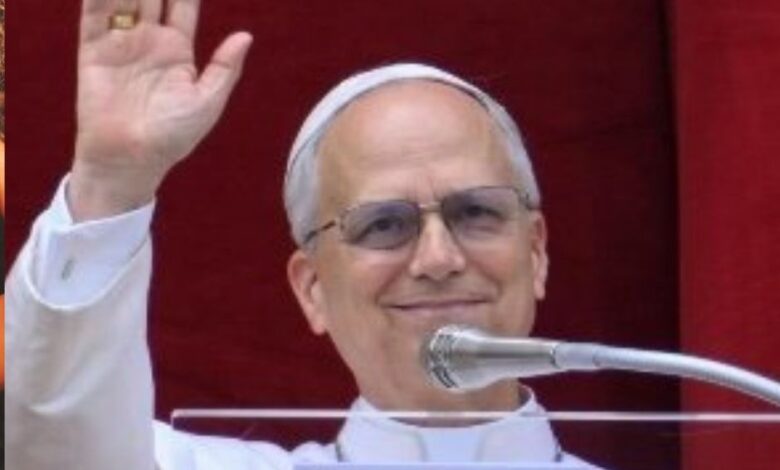
Pope Leo XIV on Monday executed a sweeping, historic foray into the global technology debate, issuing a monumental 42,300-word papal encyclical titled “Magnifica Humanitas” (Magnificent Humanity). Addressing “all people of good will” from the Vatican, the leader of the Roman Catholic Church delivered a profound moral warning against the uninhibited proliferation and systematic misuse of artificial intelligence.
In a highly symbolic gesture of civilizational dialogue, the Pontiff presented the open letter alongside Christopher Olah, co-founder of major AI developer Anthropic, drawing an uncompromising line against tech executives who sacrifice human dignity, labor safety, and sovereign agency on the altar of hyper-efficiency and corporate profit.
The encyclical’s formal release was strategically engineered to mirror a foundational moment in modern Catholic social teaching. Formally signed on May 15, the document marks the exact 135th anniversary of “Rerum Novarum” (Of New Things), the landmark 1891 encyclical by Leo’s historic namesake, Pope Leo XIII, which protected the rights of the working class from the predatory industrialization of the 19th century.
Striking an identically firm tone, Leo XIV warned that while technology is not inherently antagonistic to humanity, the blind pursuit of higher profit margins cannot justify choices that systematically eliminate livelihoods. He cautioned that a society guaranteeing employment to only an elite fraction of its population risks engineering a severe paradox of material progress and anthropological regression, ultimately shattering the foundations of a just social peace.
The document also aggressively synthesizes psychological literature to document the tragic, warping effects of unsupervised digital exposure on children, specifically citing deteriorated sleep patterns, eroded attention spans, and the rising threats of digital isolation, cyberbullying, and extortion.
While technology ethics scholars from institutions like Santa Clara University argue the encyclical provides an inescapable moral imperative that Silicon Valley titans must take seriously, other secular analysts remain skeptical that competitive “tech bros” will alter their product roadmaps.
Nevertheless, by firmly positioning the Church as an intellectual foundation for rapid international regulation, Leo XIV has successfully modernized Catholic dogma, delivering a permanent policy manifesto for bishops, theologians, and nations attempting to navigate the lawless frontiers of the digital revolution.
read more