Egypt and Djibouti Establish a Model for Developmental Integration in the Horn of Africa

Engineer Kamel El-Wazir, Deputy Prime Minister for Industrial Development and Minister of Industry and Transport, visited Djibouti from December 26–28, 2025, accompanied by a high-level delegation from the public and private sectors, as well as major companies operating in infrastructure, transport, and industry.
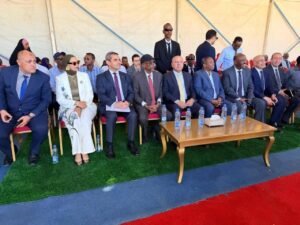
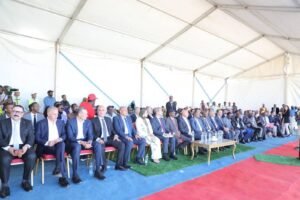
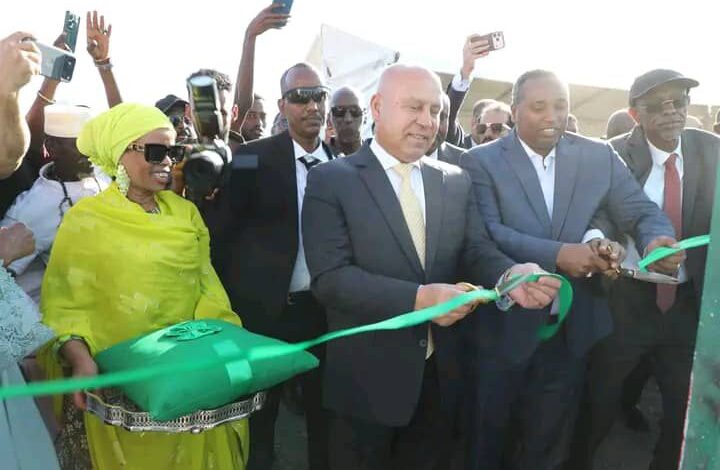
Ambassador Abdel Rahman Raafat, Egypt’s Ambassador to Djibouti, stated that the embassy coordinated with Djiboutian authorities to inaugurate the solar power plant in the village of “Omar Jeka” in the “Arta” region, in the presence of several Djiboutian ministers and officials. He noted that the Djiboutian officials expressed their pride and appreciation to the Egyptian side—both the government and the people—for establishing the solar power plant, highlighting its developmental importance and highly positive social impact on the local community, including lighting homes and providing essential services such as water.
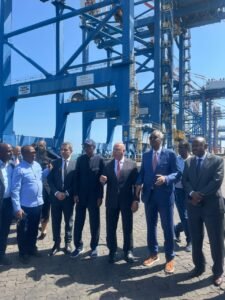
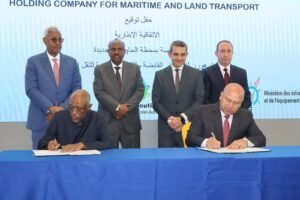
Field visits were also organized to the facilities at Doraleh Port, the container terminal, and the site of the solar power plant project at the port. In addition, the delegation visited the free zone and inspected the site of the planned Egyptian logistics zone. An extensive meeting was held between Engineer Kamel El-Wazir and Djiboutian Minister Hassan Hamad Ibrahim, Minister of Infrastructure and Equipment, and Aboubaker Omar Hadi, Chairman of the Ports and Free Zones Authority, with the participation of the Egyptian delegation. The discussions focused on ways to enhance cooperation in ports, energy, infrastructure, roads, logistics, and land and maritime transport, and concluded with the signing of several significant agreements.
The Egyptian ambassador also noted that Engineer Kamel El-Wazir held extensive bilateral meetings with Djiboutian ministers in various priority sectors. Furthermore, a large meeting was held with the Chamber of Commerce and business leaders from both sides, addressing ways to strengthen trade exchange between the two brotherly countries, encourage Egyptian investments in Djibouti, and shape the overall future of economic relations between Egypt and Djibouti.