Iran Slams U.S. Interference, Calls on Security Council to Condemn Trump’s Rhetoric

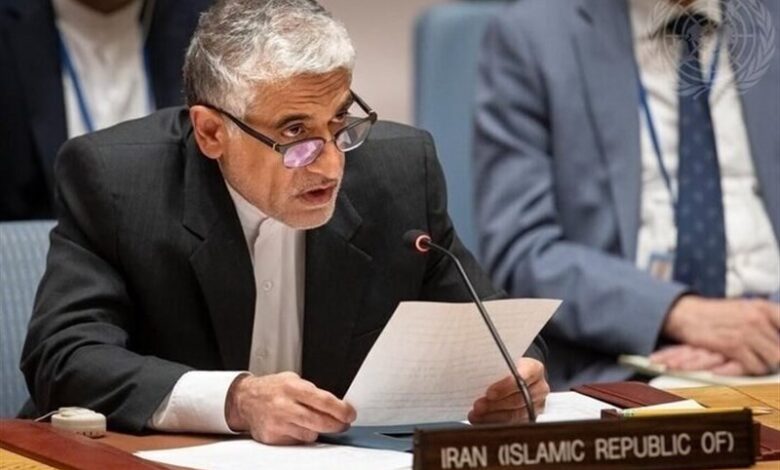
The Islamic Republic of Iran has formally called upon the United Nations to take a decisive stand against what it described as “reckless and provocative” threats issued by U.S. President Donald Trump regarding the ongoing domestic protests within the country.
In an official letter addressed to the UN Secretary-General and the Security Council, Iran’s Permanent Representative, Amir Saeid Iravani, asserted that the recent American rhetoric constitutes a blatant violation of international law and a direct interference in the sovereign affairs of a member state.
Tehran argued that such statements defy the core principles of the UN Charter, which strictly prohibits the threat or use of force against the territorial integrity or political independence of any nation.
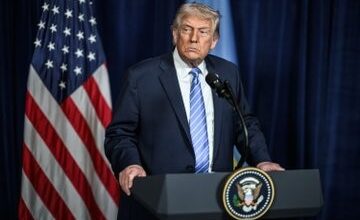
The diplomatic escalation follows President Trump’s recent warnings, in which he suggested potential U.S. intervention should Iranian authorities employ violent measures to suppress demonstrations.
These protests, fueled by a worsening economic crisis and a sharp devaluation of the national currency, have spread across several major cities. In its appeal to the UN, Iran emphasized that Washington’s discourse transcends mere political posturing, serving instead as a deliberate incitement to unrest. Tehran further maintained its inherent right to self-defense under international law, holding the United States fully accountable for any resulting instability or consequences arising from such escalatory policies.
Amid the resurgence of the “maximum pressure” campaign under the Trump administration, Iran is struggling with soaring living costs and heightened internal tensions.
While the government attempts to manage the domestic situation, it views external threats as a calculated attempt to destabilize the entire region.
The Iranian mission urged the Security Council to act without double standards and condemn the U.S. administration’s threats, warning that international silence only emboldens further breaches of national sovereignty and jeopardizes global peace and security at a critical juncture for the Middle East.