Ambassador Dr. Mohamed Hegazi writes: Walter Sisulu… the architect of the African National Congress and Mandela’s comrade, whose cause found unwavering support in Cairo
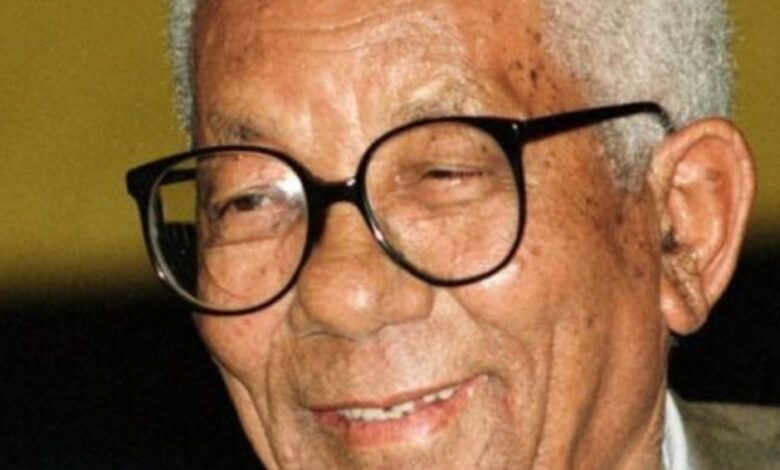
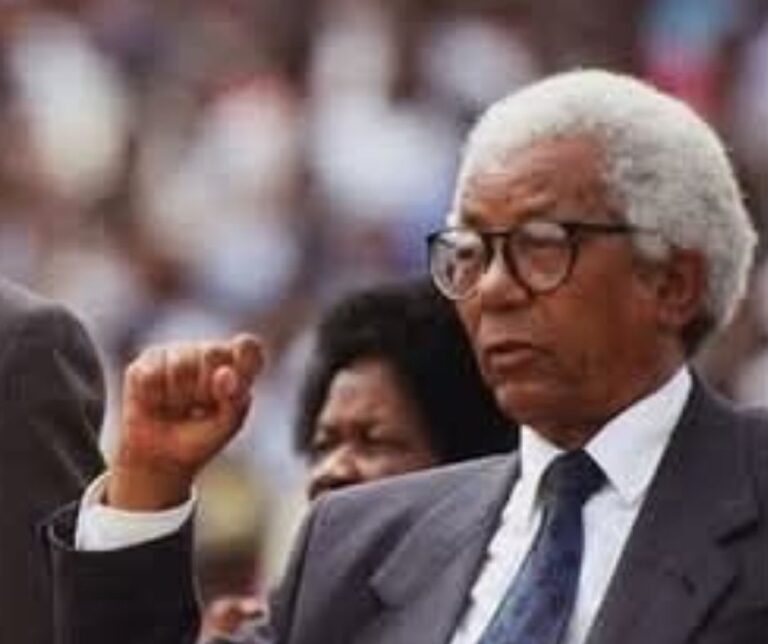
If Nelson Mandela was the most recognizable face of the struggle against apartheid, then Walter Max Ulyate Sisulu—better known as Walter Sisulu—was the movement’s master strategist and organizational architect. He played a decisive role in building South Africa’s national liberation movement, laying its political and institutional foundations to such an extent that he earned the title “Architect of the African National Congress (ANC).” Sisulu devoted his life to institution-building, leadership development, and national unity. For more than half a century, he remained one of the principal pillars of the struggle against apartheid.
Cairo, which had embraced the cause of South Africa’s liberation since the era of President Gamal Abdel Nasser, was among the first capitals to support the African National Congress and its leaders, foremost among them Walter Sisulu.
Walter Sisulu was born on 18 May 1912 in the town of Engcobo, in South Africa’s Eastern Cape Province. His childhood was marked by hardship, forcing him to leave school at an early age and work in a variety of occupations before moving to Johannesburg, where he began his political career. His activism was driven by a profound awareness of the injustice of the apartheid system, which denied the Black majority their most fundamental rights.
Sisulu joined the African National Congress (ANC) during the 1940s and became one of the founders of the ANC Youth League in 1944, alongside Nelson Mandela, Oliver Tambo, and Anton Lembede. This group transformed the ANC from a limited protest organization into a mass movement capable of leading South Africa’s national struggle against racial segregation.
He also played a central role in drafting the Freedom Charter in 1955, which became the defining political document of the South African liberation movement. The Charter called for full equality among all citizens, the abolition of racial discrimination, and the establishment of a democratic state founded on the rule of law.
As the Pretoria government’s repression intensified, Sisulu joined Mandela in establishing the ANC’s armed wing, Umkhonto we Sizwe (Spear of the Nation), in 1961. The decision reflected the movement’s conclusion that peaceful resistance alone was no longer sufficient in the face of systematic state violence under apartheid.
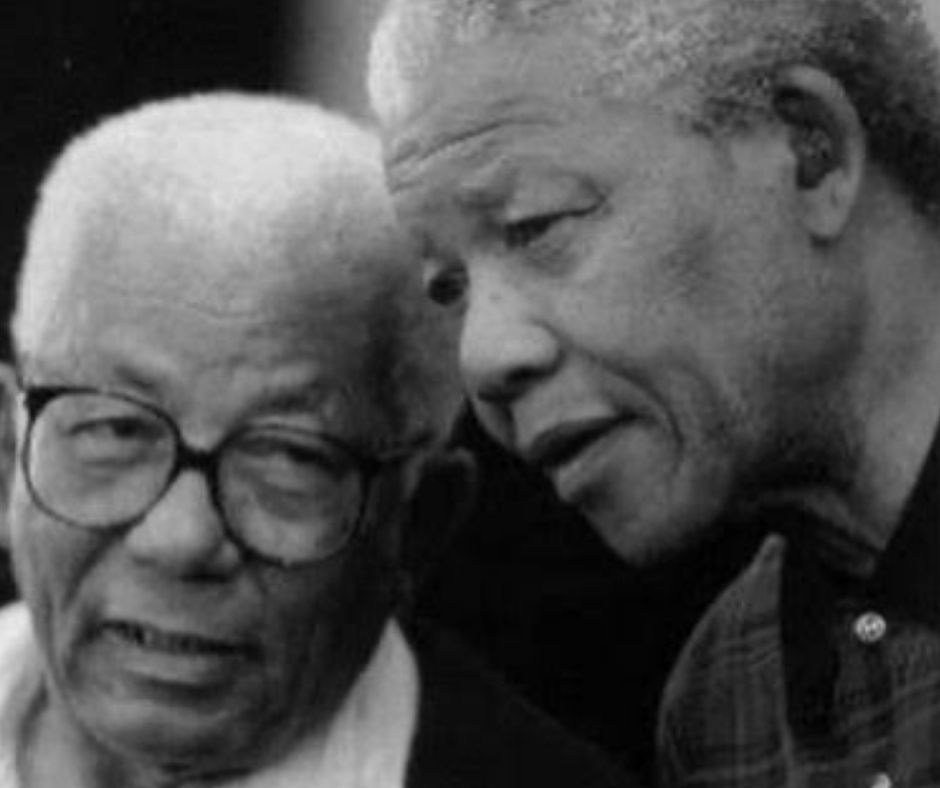
In 1963, South African authorities arrested Sisulu along with several senior ANC leaders at Rivonia Farm. Their historic trial culminated in 1964 with sentences of life imprisonment. Sisulu spent twenty-five years on Robben Island alongside Nelson Mandela, where the prison cells became a political academy that produced generations of South African leaders.
Throughout those long years of imprisonment, Egypt never wavered in its support for the South African people. Cairo made the struggle against apartheid a central pillar of its African policy, consistently backing the ANC within the Organization of African Unity (OAU), the United Nations, and the Non-Aligned Movement. Egypt’s influential Voice of the Arabs radio service also played a significant role in broadcasting news of the resistance across Africa and championing the South African people’s right to freedom and equality.
Cairo likewise became an important destination for ANC leaders in exile. Egypt welcomed movement delegations and helped mobilize political, diplomatic, and media support for the liberation struggle as part of its enduring commitment to African independence movements.
Walter Sisulu was released from prison in 1989, only months before Nelson Mandela. He immediately joined the negotiations that brought apartheid to an end and played a major role in rebuilding the ANC in preparation for South Africa’s first democratic elections in 1994.
Although he never sought executive office, Sisulu remained the moral and political conscience of the national movement and a trusted source of wisdom throughout South Africa’s democratic transition. He firmly believed that national reconciliation did not mean forgetting the past, but rather building a future founded on justice, equality, and mutual respect.
Walter Sisulu passed away on 5 May 2003 at the age of ninety, having lived to witness the realization of the dream for which he had struggled throughout his life: a democratic, non-racial South Africa.
As we revisit his legacy today within the framework of the series “Cairo: Capital of the African Liberation Struggle,” we also recall one of the brightest chapters of Egyptian solidarity with the South African people. Cairo stood firmly beside the leaders of the African National Congress—politically, diplomatically, and through the media—until political freedom was achieved and the apartheid regime was finally dismantled.
Walter Sisulu was neither a charismatic mass orator like Mandela nor a head of state. Yet he was one of the true builders of South Africa’s national liberation movement—the man who helped shape an entire generation of leaders. For this reason, he occupies a distinguished place in the series “Cairo: Capital of the African Liberation Struggle,” as one of Africa’s foremost architects of liberation and as a leader whose struggle was inseparably linked with Egypt’s enduring support for the causes of freedoma, justice, and independence across the African continent
read more