A major diplomatic gridlock has erupted in East Africa following Israel’s institutionalization of ties with Somaliland, triggering a massive and unprecedented backlash from a vast international coalition.
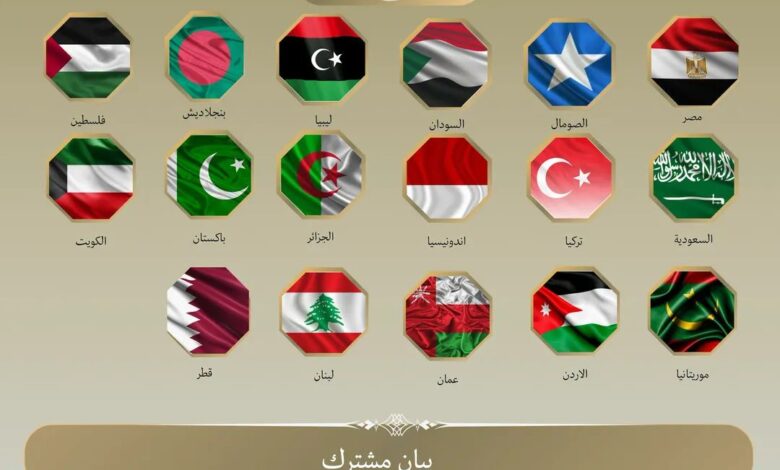
In a decisive joint statement , the foreign ministers of seventeen nations—including Egypt, Saudi Arabia, Türkiye, Pakistan, Somalia, Sudan, Libya, Bangladesh, Algeria, Palestine, Indonesia, Kuwait, Mauritania, Jordan, Oman, Lebanon, and Qatar—expressed their strongest condemnation of Israel’s decision to appoint an official diplomatic representative to the self-declared state.
The coalition described the appointment of Ambassador Michael Lotem as a flagrant violation of the sovereignty, unity, and territorial integrity of the Federal Republic of Somalia. These nations, forming a formidable diplomatic bloc, reaffirmed their unequivocal rejection of any unilateral measures that infringe upon the unity of states, asserting that the government in Mogadishu remains the sole legitimate representative of the Somali people’s will. The joint statement went beyond mere rhetoric, warning that Israel’s move—the first of its kind by a UN member state—constitutes a blatant violation of the United Nations Charter and the Constitutive Act of the African Union. The ministers cautioned that this dangerous precedent risks destabilizing the already fragile security architecture of the Horn of Africa, with potential long-term implications for regional peace and security.
This escalation follows a series of landmark moves by the Israeli government, which formally recognized Somaliland as an independent state in late 2025. By mid-April 2026, the Israeli Foreign Ministry moved to finalize the appointment of Lotem, signaling a deep institutional commitment to Hargeisa that has infuriated Mogadishu and its regional allies. In a detailed rebuttal issued from Hargeisa, the Government of Somaliland rejected the international condemnation, defending its diplomatic engagement with Israel as a sovereign right anchored in state continuity. Somaliland officials reminded the world that the territory attained independence in June 1960 and was internationally recognized before entering an unratified union with Somalia that later collapsed. They argued that their three-decade record of democratic governance is a grounded legal reality that cannot be indefinitely deferred for the sake of political convenience.
Israel’s decision to break the recognition barrier is viewed by analysts as a strategic spearhead in the Red Sea and Gulf of Aden. This move provides Israel with a critical foothold in a maritime corridor vital for global energy and trade, especially as tensions in the Strait of Hormuz continue to reroute global traffic toward Africa’s eastern coast. However, the expanding seventeen-nation coalition views this as an attempt to bypass established international protocols. As the federal government in Mogadishu continues to frame these agreements as violations of its territorial integrity, the Horn of Africa remains caught in a high-stakes struggle between the pragmatic realism of Hargeisa and the sovereign legality championed by the multinational bloc. With Michael Lotem poised to take his post, the diplomatic atmosphere has reached a boiling point, questioning whether this recognition will lead to a domino effect of legitimacy or a total regional eclipse of Somaliland’s ambitions.
Read more