United States and Iran establish framework to terminate hostilities and unlock the Strait of Hormuz

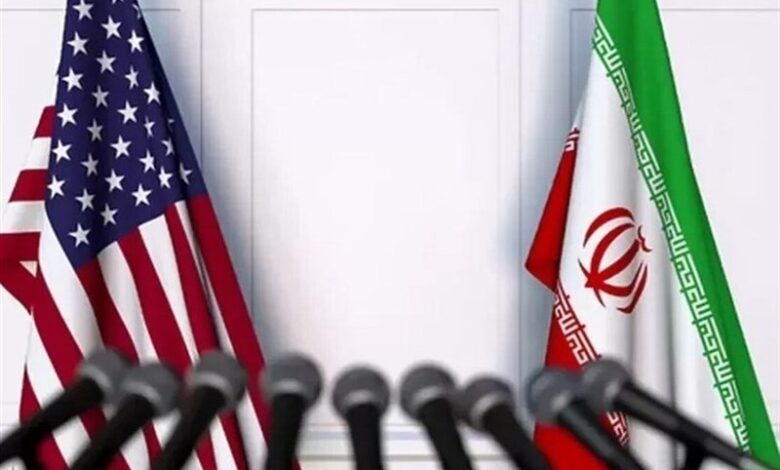
The global energy architecture and geopolitical landscape have experienced a profound realignment following the announcement of a preliminary diplomatic pact between the United States and Iran, signaling an end to the highly volatile kinetic conflict that has disrupted global markets since February.
The memorandum of understanding, brokered through intensive Pakistani diplomatic mediation, establishes an immediate bilateral ceasefire and outlines the synchronized dismantling of the United States naval blockade alongside the comprehensive reopening of the Strait of Hormuz—the planet’s premier transit artery commanding roughly twenty percent of global petroleum and liquefied natural gas flows.
While the breakthrough triggered an immediate four percent contraction in international Brent crude futures and an aggressive relief rally across Asian equity markets, the framework pointedly defers the highly contentious resolution of Tehran’s advanced nuclear enrichment program to an impending sixty-day technical negotiation window.
The operationalization of the accord face severe structural friction and multi-party vulnerabilities, highlighted by deep strategic divergence between Washington and Jerusalem over active military operations in the Levant.
Despite an eleventh-hour Israeli strike in Lebanon that drew sharp criticism from President Donald Trump, the core framework held, mandating a permanent cessation of hostilities across all operational fronts, including Lebanon, starting Monday night.
While Iran’s Supreme National Security Council has explicitly postponed final technical commitments until the United States executes its initial obligations—including the anticipated release of twenty-five billion dollars in frozen Iranian assets—the administration faces parallel domestic pressure from congressional hawks who insist that any final, comprehensive treaty must enforce the absolute verifiable destruction and removal of Tehran’s bomb-grade uranium stockpiles.
Domestically, the timing of this diplomatic breakthrough provides an indispensable political lifeline for the Trump administration as it maneuvers through severe inflationary headwinds ahead of the upcoming November midterm congressional elections.
Faced with deep public disapproval driven by soaring retail fuel prices, the White House is aggressively capitalizing on the diplomatic momentum to ease domestic macroeconomic strain, even as political opponents criticize the agreement as a significant concession that validates Tehran’s capacity to leverage global energy corridors for sanctions relief.
With the formal signing ceremony scheduled to take place in Switzerland on Friday, global markets and institutional analysts remain in a state of calculated vigilance, recognizing that while the immediate risk of an unmitigated regional escalation has been successfully averted, the sustainable enforcement of the peace depends entirely on navigating the highly fragile diplomatic theater ahead.
read more
CNN EXCLUSIVE: Inside Israel’s Secret Shadow Network and Covert Military Encirclement of Iran